
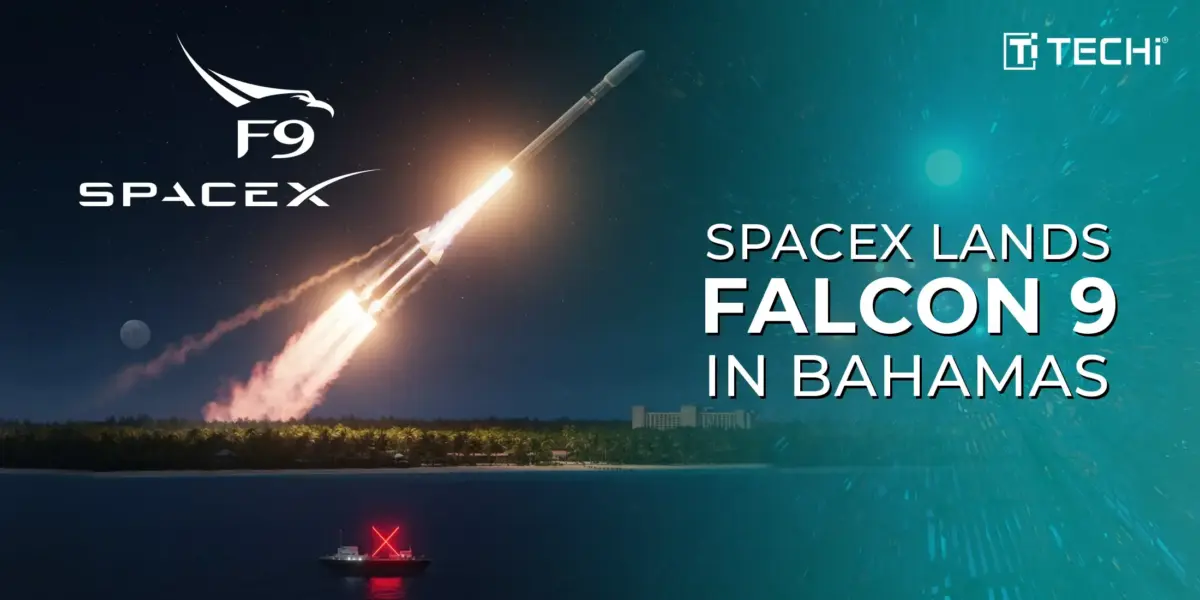
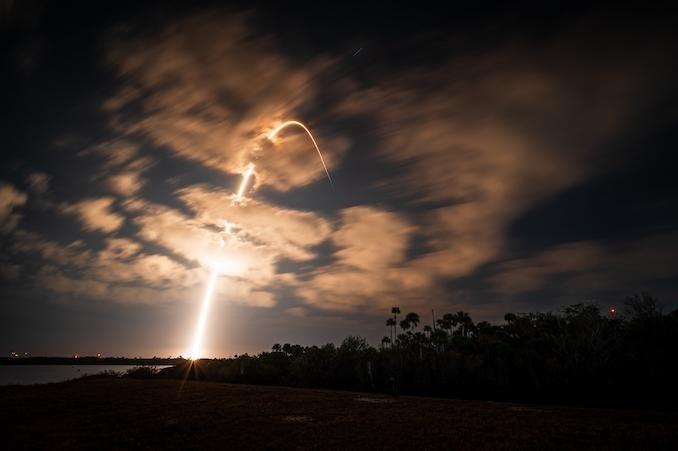
It was an unusual but carefully planned booster recovery of SpaceX as it launched at night out of Cape Canaveral Space Force Station. A Falcon9 rocket was launched at Space Launch Complex 40 in order to launch 29 satellites to become part of the Starlink network.
The first stage took fewer than nine minutes to come back to the drone ship Just Read the Instructions, which was located off Exuma. It was the second time that a Falcon 9 booster hit the waters near the Bahamas. The weather was close to perfection, giving the crew that launched the vehicle a significant latitude of safety. The booster named B1077 performed its twenty-sixth flight, which emphasizes the focus on reusability in the paradigm of activities at SpaceX.
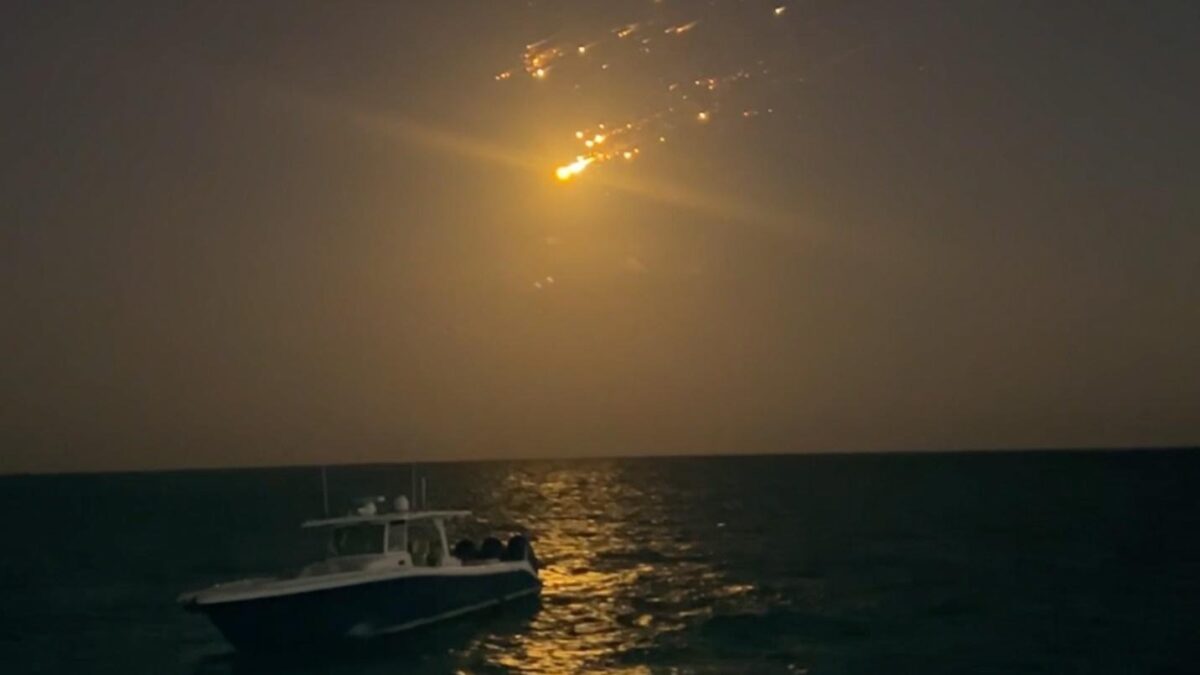
Why This Flight Matters
This mission is beyond normal deployments of satellites. The fact that booster recoveries are located close to the Bahamas cuts the flight path and gives SpaceX better strategic latitude when planning future missions. In addition, it enables a faster launch rate cadence of Starlink, which continues to cover regions of remote and coastal locations.
It is also an indication of trust in software and hardware that have already been used to support large missions, such as NASA crew and cargo flights. It has been at the elementary level that the company is proving that a single rocket stage could be re-flown multiple times without affecting the launching schedule.
Future Perspective And Environmental Issues
Prior arrangements to make similar landings had been postponed following the buildup of debris from Starship test landings becoming subject to the attention of local authorities. Further discussions between SpaceX and the government of the Bahamas reopened access to controlled booster recoveries. Such a successful landing sends a clear message that both sides have been ready to take things slowly. In case this plan is continued, the region might be the regular part of SpaceX’s recovery architecture, which will minimize the costs, protect the launch schedules, and maintain the spread of satellite constellations across the globe.