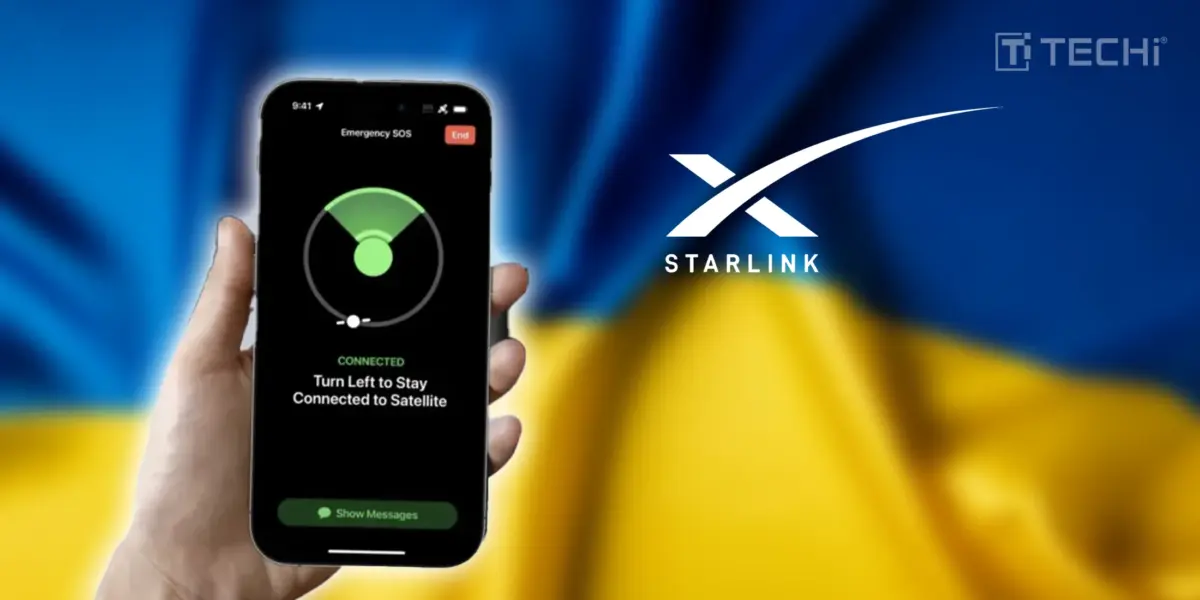

The launch of Starlink’s direct-to-cell service in Ukraine indicates a moment when technology goes beyond mere convenience, it becomes a lifeline. When blackouts, missile strikes, and damaged infrastructure are among the daily challenges that a country faces, being connected can mean saving a life. The move of Kyivstar to use Starlink’s satellite-to-phone service is not just an upgrade in technology, instead it is a survival tactic.
Meanwhile, Europe is watching with great interest, and Ukraine is experiencing the truth that modern wars are not only fought with weapons but also with communication networks. In such circumstances, texting over satellite is more than mere texting, it is making sure that the communication of people is not being left in the dark, either digitally or physically.
The significance of this launch lies in the fact that it combines consumer convenience and wartime resilience. Direct-to-cell technology doesn’t require any specialized equipment or bulky terminals, instead it simply connects ordinary 4G phones to satellites directly. The partnership between Starlink, Kyivstar, and Veon highlights the change in the telecommunications market, where satellite communication is no longer an unconventional product for hard to reach areas, but it is a key element of national security.
Although there is a feeling of discomfort about relying on a foreign, privately owned company like Starlink, particularly in light of the past political uncertainties around Musk’s involvement in the war. But having a combination of communication means, which is terrestrial, satellite, and now direct-to-cell, is exactly what a devastated country should possess. It is both a strategic necessity and a technology breakthrough.
The use of Starlink’s direct-to-cell service by Ukraine is a strong indication that technology is becoming a critical part of a nation’s resilience. Along with the changing nature of wars and disasters, the communication systems will also have to change, and Ukraine’s learning curve could potentially set the pace for the world in the upcoming crisis alertness. The ongoing battle for connectivity for safer existence has already contributed to the development of networks that are able to endure even the toughest real-life scenarios.