
Tesla’s ‘Halo’ program is their biggest bet yet. They’re planning on vision-only self-driving cars while everyone else uses LiDAR and radar. Those self-cleaning cameras are more than just cool tech. They tell us that Tesla’s entire strategy depends on keeping cameras spotless, without actually telling us.
The dual communication systems tell a different story. Don’t get the wrong idea, because Tesla’s not building fully autonomous cars. They’re building remote controlled vehicles with human backup drivers who’ll sit in offices. It’s like having a video game setup where real people take over when the AI gets confused.
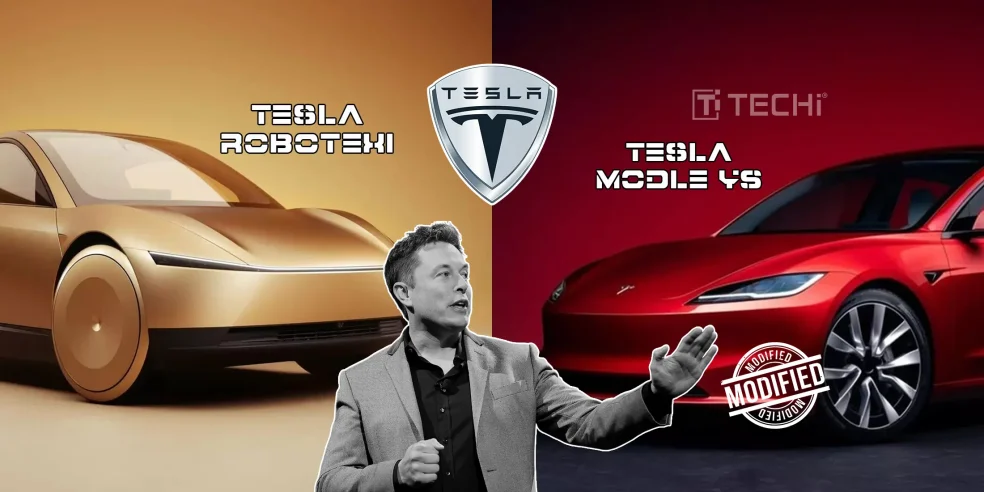
Here’s the smart move. Tesla modified existing Model Ys instead of building new robotaxis from scratch. This gets them to market faster and keeps costs down. But it also means passengers get a regular car interior instead of the spacious and optimized cabins that competitors like waymo and cruise offer.
The economics are kind of simple. If camera only systems work as well as expensive LiDAR setups, Tesla’s pockets will be loaded because of much lower hardware costs. If they don’t work, Tesla’s entire self driving business dies. That includes their $99 monthly software subscriptions and all future robotaxi plans.
The Austin test isn’t really about smooth rides in a controlled area. It’s about proving Tesla can handle weird situations that cameras might miss. Every time a remote operator has to intervene, it shows the limits of their approach. Tesla is basically using paying customers to test unproven technology. So if you order a Robotaxi, you might be a lab rat.
The 8% stock jump after launch shows that investors believe in the vision. But the real test comes when Tesla removes the safety monitors and tries this in chaotic city traffic. Right now, Tesla is like a kid with training wheels on, claiming that he can ride his bicycle.