
Tesla’s recent sales performance in China highlights growing challenges for the US electric vehicle maker in this highly competitive market.
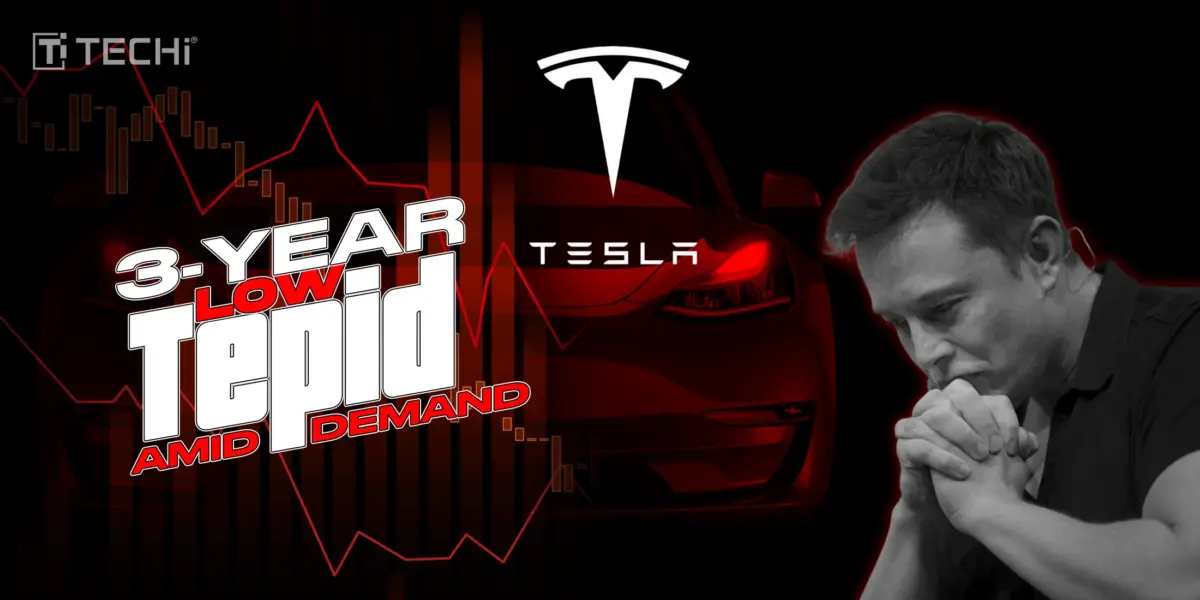
In October, Tesla sold only 26,006 vehicles, marking its lowest monthly figure in three years.
This sharp drop of 35.8% compared to last year follows September’s strong numbers driven by the launch of the Model Y L, which had given Tesla a temporary boost.
Despite increased exports of China-made vehicles reaching a two-year high, Tesla’s share of China’s EV market shrank to 3.2%, down from 8.7% in September.
This decline signals weakening local demand and mounting competitive pressures.
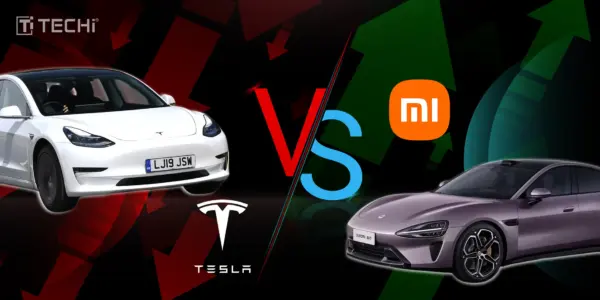
One key reason behind Tesla’s struggles is the rise of domestic competitors like Xiaomi, whose electric vehicles recorded record sales amid intensifying EV safety concerns.
Xiaomi’s aggressive push with the SU7 sedan and YU7 SUV models shows how Chinese brands are taking significant market share from Tesla.
Furthermore, the overall slowdown in China’s auto sales, influenced by reduced government subsidies and less consumer enthusiasm, creates a tougher environment for all players, but especially foreign brands like Tesla.
Looking ahead, Tesla faces a tricky road in China. To regain traction, the company may need to deepen localization efforts, improve product offerings, and address consumer concerns more effectively.
Without these steps, Tesla could continue losing ground to local EV makers who understand the market better.
While exports provide some offset, the biggest growth opportunity remains inside China, meaning Tesla’s future in its second-largest market depends on winning back Chinese buyers.