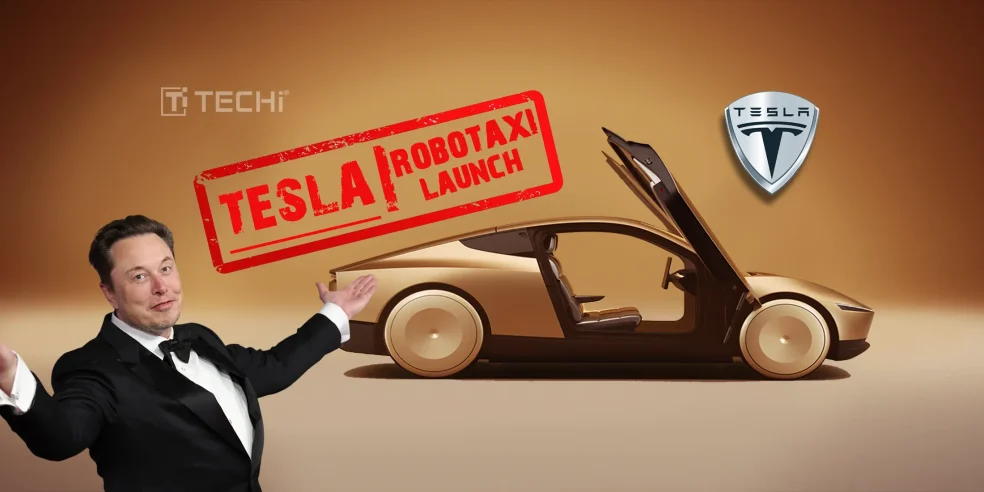

Tesla is back in the limelight, but this time not for a new electric car but for its upcoming robotaxis. Texas Democrats have now requested that Tesla postpone the launch of its robotaxi service in Austin, asking the company to schedule it until September because new autonomous vehicle regulations are expected to take effect then. If Tesla proceeds, they are demanding information on how the entity will stay compliant with the regulations that are set to be implemented. The new regulation is going to demand a permit for autonomous cars and give the state an option of cancelling them when they endanger the safety of people. Tesla has not reacted yet. Tesla decided that the first launch will involve 10-20 cars in selected areas, but key details like pricing and monitoring are still unknown.
This regulatory pushback highlights a critical tension in the autonomous vehicle space. Tesla’s launch is not just a product – it is a test to check how ready we are for autonomous mobility. Elon Musk’s vision is to build self-driving vehicles where human drivers are not needed; robotaxis are going to be both the ride and chauffeur. But this vision alone is not enough. The request by Texas to delay the launch of robotaxis reveals a fundamental reality: as the technology is growing day by day, the people are unaware of it. In addition, public safety and law are still playing catch-up. We are talking about technology without human drivers, but still we have questions about passenger screening, fare mechanisms, and how first responders will interact with these cars in emergency situations.
These things are not negligible because these are the differences between innovation and commotion. Tesla wants to be first in the market, but being first and not ready will do more harm to the company than benefit. After all, safety is more paramount than speed. The timing of Texas’s regulatory concerns underscores this point – with only 10-20 vehicles planned for selected areas and crucial operational details still undisclosed, the gaps between technological capability and practical implementation remain substantial.
If Tesla can’t answer these questions, then hitting pause is not a delay; it’s a strategy. The September timeline for new regulations may actually provide Tesla with the framework it needs to demonstrate not just technological prowess, but operational readiness for a future where autonomous vehicles become part of everyday transportation infrastructure.