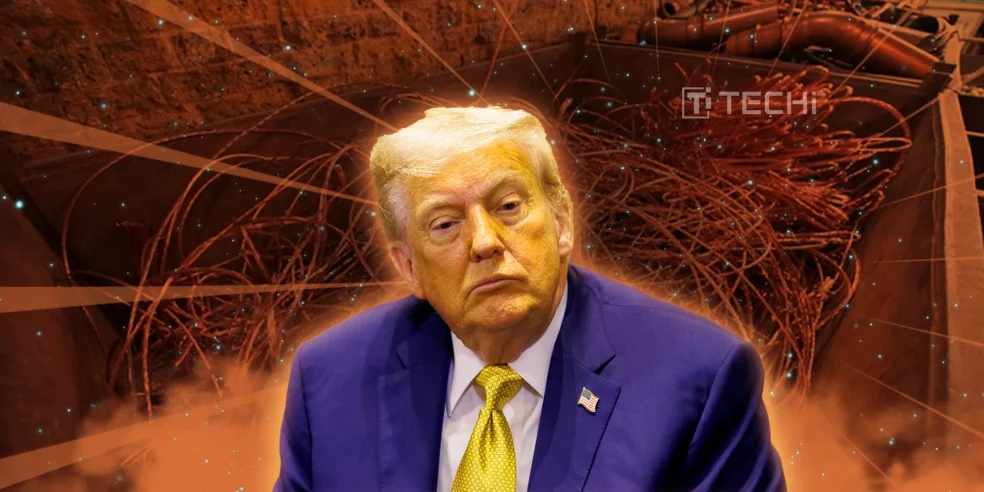

The new tariffs on copper are a self-inflicted economic headache. Placing a 50% import tariff on such a widely utilized industrial metal is like raising the price of oxygen in a respiratory ward. If the aim was to shield domestic manufacturing, this is more of a sledgehammer than a strategic tool. What makes it worse is combining that with the 200% tariffs for pharmaceuticals. It may seem political but it is economically igniting the inflation when consumers and businesses are just starting to draw breath.
Copper is in almost all products that involves electricity, building, or electronics, from iPhones to houses, EVs. If prices spike sharply, as they did with Trump’s tariff threat, input costs will go up for the manufacturers. That typically gets transferred to the customers, which increases inflation. Inflation in turn makes life tougher for the Fed on interest rates. With the addition of suggested pharmaceutical tariffs, a place that’s already paying some of the highest prices for drugs, results in a mix that is parallel to diminished consumer spending and higher business expenses.
Bringing supply chains back onshore would create jobs, lessens dependence on geopolitical competitors, and strengthens national security. However, investors realize that tariffs don’t exist in a vacuum. Copper prices increasing will impact industries such as housing and autos quickly, after which pharmaceutical increases will trigger public outrage. The tariffs’ surprise, and their inflationary effects, make forward guidance harder and may derail anticipated rates.
Ultimately, tariffs are a political tool with very real economic impacts. The copper shift may sustain U.S smelters in the near term, but the subsequent effects of elevated prices, inflation uncertainty, and recession angst, may be overwhelming. While we observe earnings season play out and the Fed regroup, uncertainty is the new normal. For investors, holding on to long-term fundamentals and ignoring short-term noise is the best protection in a tariff-dominant market.