
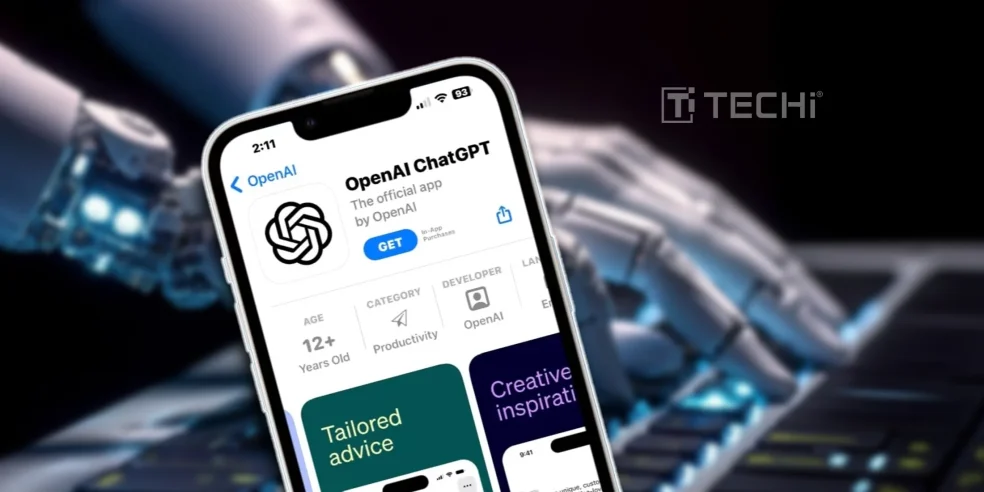

Study Mode is OpenAI’s first real step toward reshaping how young people use ChatGPT for schoolwork. We believe that it could not have come at a better time. Since ChatGPT first took off in classrooms, the conversation has been divided. Some called it a powerful new tutor. Others saw it as a shortcut machine that was slowly replacing student effort with AI answers. Study Mode looks like OpenAI’s attempt to address both sides of that debate. It does not eliminate direct answers, but it adds friction. That friction is intentional. It forces students to think before they are told what to think.
The idea is smart. Rather than asking students to avoid ChatGPT altogether, OpenAI wants to meet them where they already are and change how they interact with the tool. The design of Study Mode nudges users to explain their thought process, reflect on their answers, or consider different options. This is more in line with what a good tutor would do. It slows the conversation down, making students pause and reason instead of copy and paste.
Also read about how ChatGPT introduced an agent to bridge research and action. The gaps are finally being filled. We see them acting on it.
But there are clear limitations. The most obvious is that Study Mode is voluntary. Any student who wants to get around it can simply switch it off. OpenAI admits this. There are no parental locks or teacher-facing settings to keep students inside the mode. That means the effectiveness of Study Mode depends almost entirely on the user’s own motivation. And motivation is not always easy to come by, especially when deadlines loom and shortcuts are only one tab away.
Still, OpenAI seems to understand the stakes. The company knows that schools are watching closely. Many educators once banned ChatGPT, only to reverse course when they saw students using it anyway. Others have leaned in, trying to teach students how to work alongside AI rather than avoid it. Study Mode could be the feature that helps bridge that tension.
There is also a broader question of whether tools like Study Mode are a sign of a new era in education. AI is not going away. The question is whether it will support learning or replace it. If Study Mode can be improved, expanded, and made more adaptive, it might become a useful tool in every classroom. But that will require more than good intentions. It will need constant updates, real accountability, and probably outside research to prove that it works.
OpenAI is not alone in trying to solve this challenge. Anthropic’s Claude has a similar feature called Learning Mode. Others will follow. What matters now is whether these companies are willing to put in the work to make their tools not just powerful, but responsible. Study Mode will not fix education. But it might start to fix how students use ChatGPT. The next step is to see if students use it by choice. Because real learning cannot be forced by software. It still comes down to what the user wants to do with it.