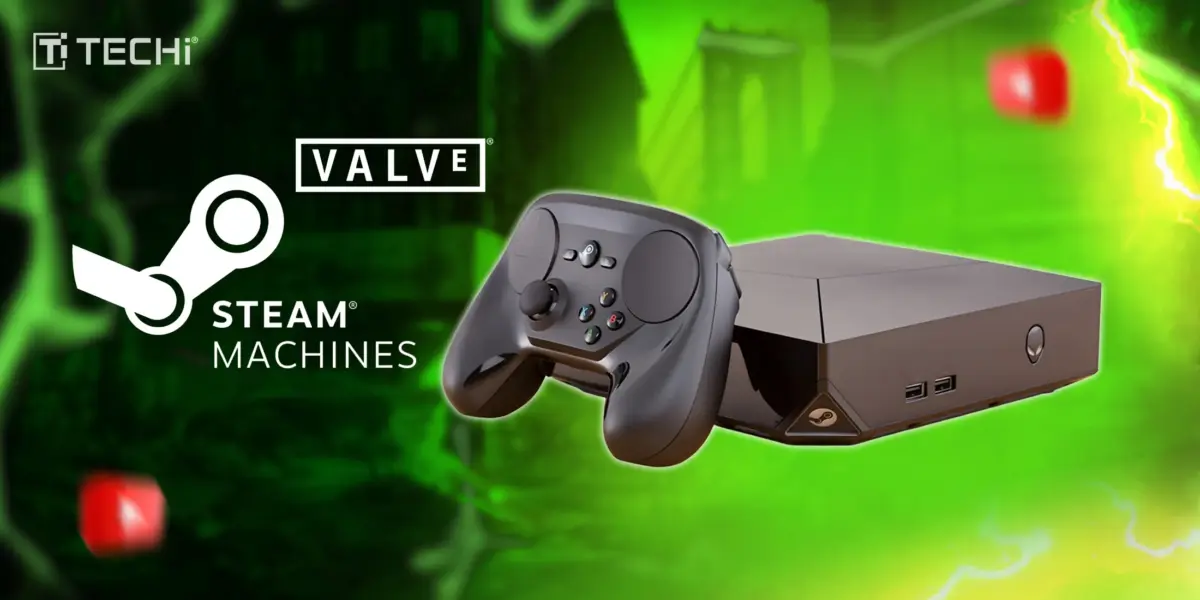

Valve’s Steam Machine will not be subsidized like traditional consoles, meaning its price will closely reflect the cost of comparable PC hardware.
Priced likely above $700, the Steam Machine is more expensive than popular consoles such as the PS5.
Valve justifies this with a focus on unique features difficult to replicate in custom PCs, such as a compact design, low noise, integrated HDMI CEC, and robust Bluetooth support with multiple controllers.
These enhancements make it a practical and user-friendly living room gaming PC.
This pricing approach marks a clear departure from the console industry norm where manufacturers sell hardware at a loss but recoup through software revenue.
Critics argue Valve risks slower adoption by not subsidizing hardware, missing out on loading more users onto its Steam platform.
However, Valve’s strategy aligns with current PC market realities including rising component costs and supply challenges.
The company aims to deliver competitive performance value without enforcing a loss-leading price.
Looking ahead, the Steam Machine’s future depends on appealing to gamers who want the flexibility of PC gaming combined with the ease and comfort of a console experience.
It may not be a mass-market device but could carve a niche as a premium option.
Coupled with SteamOS and Valve’s broader hardware ecosystem, it may reinforce Valve’s foothold in PC gaming innovation, supporting long-term growth rather than short-term volume gains.
This approach signals a thoughtful evolution in Valve’s strategy to blend PC power with console convenience in the living room.