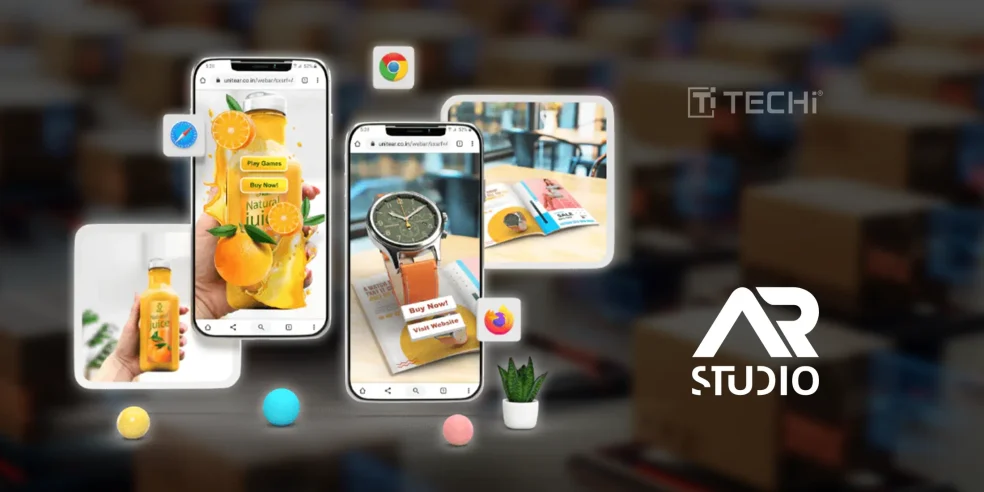
Imagine walking down a grocery store aisle, picking up your favorite cereal box and suddenly watching animated characters leap off the packaging through your smartphone screen. Or picture yourself trying on lipstick shades without ever opening the tube, simply by pointing your phone’s camera at the product. This isn’t imaginary anymore, it’s the reality of WebAR (Web-based Augmented Reality) combined with smart packaging and it’s transforming how we interact with products every single day.
What was once just a source of protection and basic product information has now become the door to digital experiences that are immersive. This technology is literally reshaping the relationship between brands and consumers and it’s also creating opportunities for engagement that we probably didn’t even imagine just a decade ago.
What Exactly Is WebAR? 🔗
WebAR stands for Web based Augmented Reality and it’s designed to be incredibly user friendly. Unlike traditional augmented reality applications that require you to download and install specific apps on your phone, WebAR works directly through your web browser. This means instant access, so no waiting for downloads, no worrying about storage space and no complicated setup processes.
When you point your smartphone camera at specially designed packaging, the technology recognizes specific visual elements. These can be QR codes, unique patterns or even the overall design of the package itself. Within seconds, digital content appears on your screen over the physical product with interactive elements that can include anything from 3D animations to detailed product information.
The technology works through really advanced image recognition systems. Think of it like teaching a computer to ‘see’ and understand what it’s looking at. The system analyzes colors, shapes, patterns and specific design elements on the packaging, like how you might recognize a friend’s face in a crowd. The technology has been trained to identify specific visual markers that trigger the AR experience.
What makes this even more impressive is how fast it all happens. The entire process, from pointing your camera to seeing the AR content, typically takes less than three seconds. This almost sudden response is obviously a huge segment of ensuring things go smooth and customer engagement is stable.
How Are Leading Brands Making It Work 🔗
Nike’s integration of WebAR into their shoe boxes looks like an educated approach to enhancing the customer experience. When customers scan Nike shoe boxes, they can access 3D models of the shoes, rotate them to see every angle and even use their phone’s camera to visualize how the shoes would look on their feet. The system also gives you styling tips, outfit suggestions and access to exclusive content about the shoe’s design and technology. Customers shopping in physical stores can access the kind of detailed product information that’s typically available online so shoppers can get a more tangible sense of the product through AR visualization.
Johnson & Johnson’s use of WebAR packaging in pharmaceuticals shows how much potential this technology has beyond marketing and entertainment. Their AR enabled medication packaging gives you detailed information about medications, dosage instructions, potential side effects and also educational content about related health conditions.
This application is super valuable not because it’s fun to use, but because it makes complex medical information more accessible and engaging. Instead of struggling to read tiny fonts on medication labels, patients can access clear visual instructions and explanations. The system can even give you reminders, track medication schedules and even connect patients with additional resources.
Also Read: Edge vs Cloud in 2025: Why AI Needs Compute Closer to the Source
Understanding the Technology 🔗
First let’s talk about computer vision and image recognition. The backbone of WebAR smart packaging is advanced computer vision technology. These systems use really advanced algorithms that can analyze visual information like how the human eye and brain work together. The technology examines packaging design elements including colors, shapes, patterns, text and overall composition to create a unique ‘fingerprint’ for each product.
What makes this particularly impressive is the speed and accuracy of recognition. Modern systems can identify products even when the packaging is partially obstructed, viewed from different angles or under varying lighting conditions. The recognition process happens in milliseconds which is why the WebAR user experience feels magical.
Moving on to cloud based processing power. One of the key advantages of WebAR is that the heavy computational work happens in the cloud instead of on your smartphone. This means that even older devices can handle sophisticated AR experiences without performance issues. When you scan a package, your phone captures the image and sends it to powerful cloud servers that process the information and send back the appropriate AR content.
This approach also allows manufacturers to make continuous improvements down the road. The recognition algorithms can be updated and refined without needing users to download app updates and new features can be rolled out easily across all devices.
Then we have modern web technologies. WebAR relies on advanced web technologies including WebGL (Web Graphics Library) and sophisticated JavaScript frameworks. These technologies allow complex 3D graphics, smooth animations and interactive elements to run directly in mobile web browsers. The result is AR experiences that compete with those of native mobile apps but with the convenience and accessibility of web based delivery.
Lastly, it’s the integration of AI and machine learning. These clearly play significant roles in making WebAR smart packaging more effective over time. These systems learn from user interactions to improve recognition accuracy and personalize experiences based on individual preferences and behaviors. For example, the system might learn that certain types of lighting conditions need different recognition approaches or that specific user groups prefer certain types of interactions.
Why Does This Technology Matter 🔗
For Brands 🔗
WebAR smart packaging gives brands incredibly detailed insights into consumer behavior. Companies can track how many people interact with their packaging, which features generate the most engagement, where interactions happen geographically and even how long customers spend with different types of content. This data is gold for refining marketing strategies, improving product development and understanding customer preferences.
The technology also creates new opportunities for revenue. Brands can offer premium AR experiences, create partnerships with other companies for cross promotional content or even sell virtual products and accessories through the AR interface. Some companies have found that customers are willing to pay more for products that offer engaging AR experiences.
For Consumers 🔗
From the consumer’s perspective, WebAR packaging changes shopping from a purely transactional experience into an interactive journey that makes you feel included. Customers get instant access to comprehensive product information, tutorials, reviews and entertainment content without the stress of downloading apps, searching websites or reading through lengthy product descriptions.
The technology also helps with purchase decisions by reducing confusion. Virtual try-ons, interactive size guides and detailed product demonstrations help consumers make more informed choices. Additionally, this leads to higher satisfaction rates and fewer returns.
Current Challenges and Solutions 🔗
Technical Hurdles 🔗
Although WebAR technology has advanced significantly, it still faces several technical challenges. Changing smartphone capabilities mean that experiences must be designed to work across a wide range of devices from the latest flagship phones to older budget models. Lighting conditions can affect recognition accuracy and inconsistent internet connectivity can impact loading times and content quality.
Successful brands address these challenges by designing flexible experiences that adapt to different technical environments. This might mean having backup options for older devices, optimizing content for various connection speeds or also including clear instructions for the best scanning conditions.
Consumer Education and Adoption 🔗
Many consumers are still unfamiliar with AR technology or uncertain about how to use it effectively. Successful WebAR packaging implementations have easy to understand design, clear instructions and immediate feedback that guides users through the experience without requiring technical knowledge.
The most effective approaches often start with simple and obvious interactions that slowly introduce more developed features as users become comfortable with the technology.
Cost and Development 🔗
Developing high quality WebAR experiences needs specialized skills and can involve significant investment. However, costs are decreasing as the technology advances and more development tools become available. Many companies are finding that the investment pays off through increased engagement, reduced return rates and valuable consumer insights.
What’s Coming Next 🔗
The future of webAR and smart packaging is quite promising. The rollout of 5G networks will allow even more sophisticated WebAR experiences with faster loading times, higher quality graphics and more complex interactions. This enhanced connectivity will support features like real time multiplayer AR experiences, live streaming integration and more detailed 3D content.
Future WebAR packaging will also include more advanced AI capabilities which will create personalized experiences that adapt to individual users’ preferences, purchase history and interaction patterns. AI might suggest products based on your scanning behavior, provide customized tutorials or create unique content tailored to your interests.
We’re beginning to see the rise of collaborative AR experiences where multiple users can interact with the same packaging simultaneously. This opens possibilities for social shopping experiences, shared brand interactions and group entertainment features that could transform how families and friends engage with products together.
Furthermore, smart packaging backs sustainability goals by reducing the need for printed instructions, marketing materials and product samples. Digital delivery of this content reduces waste while providing more comprehensive and up to date information than traditional printed materials could offer. What’s even better is that it could save companies millions in printing, plastic design changes and advertisement.
How to Get Started with WebAR Packaging 🔗
Well if you wish to use WebAR packaging for your business as well, the starting goal should be setting clear objectives. Whether the goal is to increase customer engagement, provide better product information, reduce return rates or create entertainment value, the AR experience should go hand in hand with overall brand strategy and customer needs.
Also, you should start simple. The most successful WebAR implementations often begin with simple and valuable experiences instead of complex showcases that prioritize novelty over utility. A basic product information overlay or simple interactive element can be more effective than an elaborate game or animation if it better serves customer needs.
Next is comprehensive testing across different devices, lighting conditions and user scenarios as it is undeniably important for success. What works perfectly in a controlled development environment might fail in real world conditions like busy retail stores, varying lighting situations or when users are in motion.
And finally, you should have a clear idea of what kind of success you are looking for. Establishing metrics for success and continuously monitoring performance helps your brand develop in a better manner with WebAR experiences over time. Key metrics might include engagement rates, scanning frequency, time spent with AR content and also correlation with sales or customer satisfaction measures.
In Conclusion 🔗
WebAR and smart packaging are more than just a technological novelty. They are actually a fundamental shift in how brands can communicate with consumers and how customers can interact with products. By making packaging interactive, informative and entertaining, brands create opportunities for deeper connections, better customer service and valuable insights into consumer behavior.
As this technology continues to evolve and become more accessible, WebAR smart packaging is likely to become as commonplace as QR codes are today. Brands that welcome this technology early will have significant advantages in creating memorable customer experiences and building stronger brand loyalty in an increasingly competitive marketplace.
The combination of physical and digital experiences through WebAR packaging isn’t just changing marketing. Every product package becomes a potential gateway for storytelling, education and engagement, bringing brands to life in ways that were impossible just a few years ago. This technology represents the future of how products and consumers will interact, creating possibilities that we’re only beginning to explore.
Also Read: Hyper‑Realism in VR: Is Photogrammetry the Next Leap Forward?