Imagine walking down a busy street, and instead of rooting for your phone to check directions, you simply glance ahead and see arrows guiding your way, notifications popping up subtly in your peripheral vision. This isn’t a scene from a sci-fiction movie anymore, but about Heads-up display (HUD) glasses, which were once the stuff of futuristic fantasies, are now edging closer to everyday reality, and for the first time, they’re becoming genuinely affordable. But how did we get here? And what does this mean for us in 2025 and beyond?
Let’s take a journey through the story of HUD glasses, explore why this technology is suddenly within reach, and analyze what experts and market trends say about the future of this fascinating wearable tech.
The Long Road to Affordable HUD Glasses 🔗
The idea of HUD glasses is not new. The concept of projecting digital information directly into our line of sight has fascinated technologists for decades. During World War II, the first versions of the actual technology were created for fighter jets. Pilots of military aircraft were struggling to locate targets based solely on verbal instructions from their crew. They needed a way to view navigational information without taking their eyes off the flight path. In 1958, BAE’s HUD was designed for the low-level strike Blackburn Buccaneer aircraft, marking a significant technological breakthrough. The ‘Strike sight system’ was designed to combine airspeed, altitude, and bombsight into a single display. A transparent screen in front of the pilot in the cockpit displayed all of the critical information required to fly the aircraft and complete missions safely.

The dream was to miniaturize this technology for everyday use as smart glasses that could augment reality with useful information.
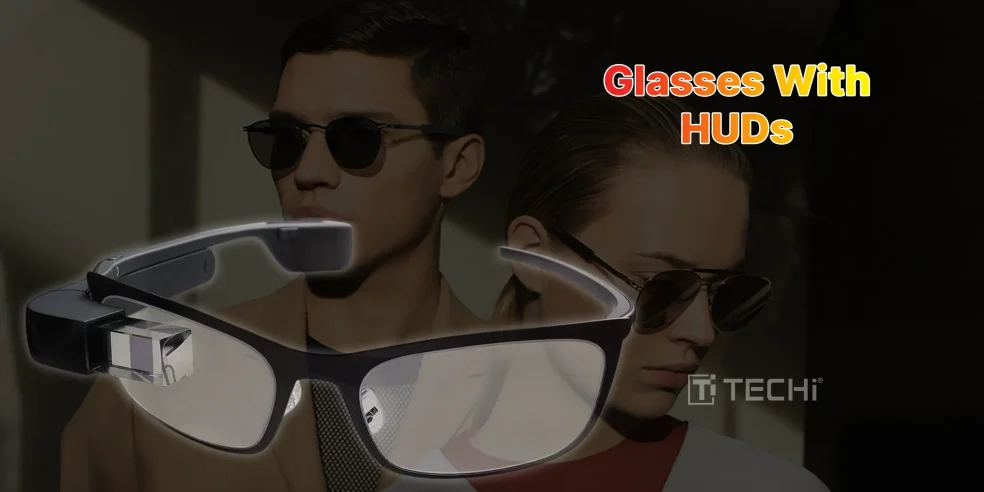
In 2013, Google Glass burst onto the scene, promising a new era of wearable computing. It was exciting but flawed. At $1500, it was expensive, and the bulky design made it awkward to wear. Privacy concerns about the built-in camera led to social pushback, and the limited functionality left many wondering: “Is this really useful, or just a gimmick?” ‘

For years, in industrial settings, workers needed hands-free access to instructions or remote assistance. However, the consumer market remained intangible. Why? Because the technology wasn’t quite ready. Displays were dim, batteries drained quickly, and the software was clunky.
Fast forward to today, as the landscape has changed dramatically. The advances in AI, display tech, and miniaturization have converged to create HUD glasses that are not only more functional but also more stylish and, importantly, more affordable.
What Changed to Make HUD Glasses Affordable? 🔗
If you’ve been watching the tech space, you might ask: “Why now? What’s driving this sudden shift?” The answer lies in several key developments.
First, the cost of critical components like OLED microdisplays has plummeted. These tiny screens, once prohibitively expensive, can now be produced at scale for a fraction of the cost. This alone has lowered the price barrier significantly.
The global OLED microdisplay market size reached USD 282.2 Million in 2024. Looking forward, the market is expected to reach USD 1,420.3 million by 2033, exhibiting a growth rate (CAGR) of 18.69% during 2025-2033.
Second, AI integration has matured. Today’s smart glasses don’t just display static information; they can translate languages in real-time, read notifications aloud, recognize objects, and even provide contextual assistance. This makes them genuinely useful rather than just flashy gadgets.
Third, consumer demand is growing. According to recent market research, the smart glass market was valued at $2.85 billion in 2018 and is projected to reach US$ 11.73 billion by 2027; it is expected to grow at a CAGR of 17.2% during 2019–2027. This surge is fueled by both enterprise and consumer adoption, with more people willing to experiment with wearable tech that enhances daily life
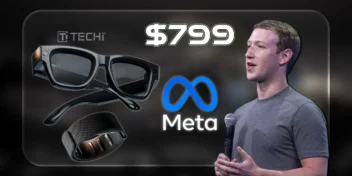
Fourth, major players like Meta, Google, Amazon, and EssilorLuxottica are investing heavily in this space, pushing innovation and competition that drives prices down. Meta’s upcoming Hypernova glasses, According to Bloomberg, it is priced between $1,000 and $1400 and promise high-end features like a 12MP camera and neural wristband controls, while more affordable options like Ray-Ban Meta glasses.
Finally, design and comfort have improved. No one wants to wear bulky tech all day. Today’s HUD glasses are lightweight, stylish, and even support prescription lenses, making them practical for everyday use.
What Can You Do with Affordable HUD Glasses Today? 🔗
You might wonder, “Okay, they’re cheaper, but what can they actually do?” The answer lies below, i.e.
Navigation is a standout feature. Imagine walking or cycling with real-time directions projected right in front of you, eliminating the need to glance down at your phone. This is especially useful for urban commuters or travellers navigating unfamiliar cities.
Fitness enthusiasts benefit, too. HUD glasses can track heart rate, speed, and distance, displaying stats without interrupting your workout. Photochromic lenses adapt to changing light, making them ideal for outdoor activities.
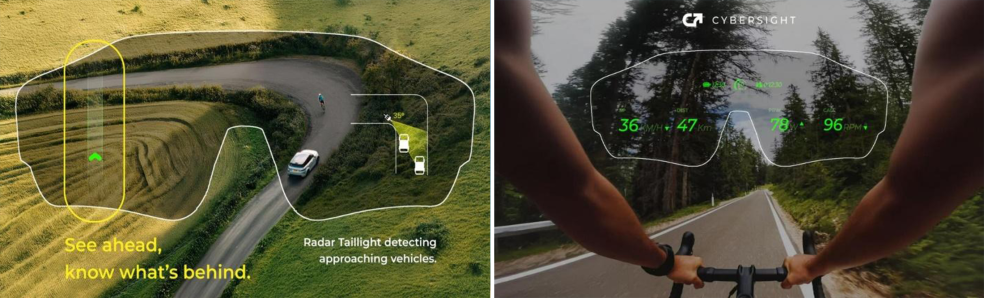
Workplaces are embracing HUD glasses for hands-free access to manuals, checklists, and remote expert guidance. This boosts productivity and safety in industries like manufacturing and healthcare.
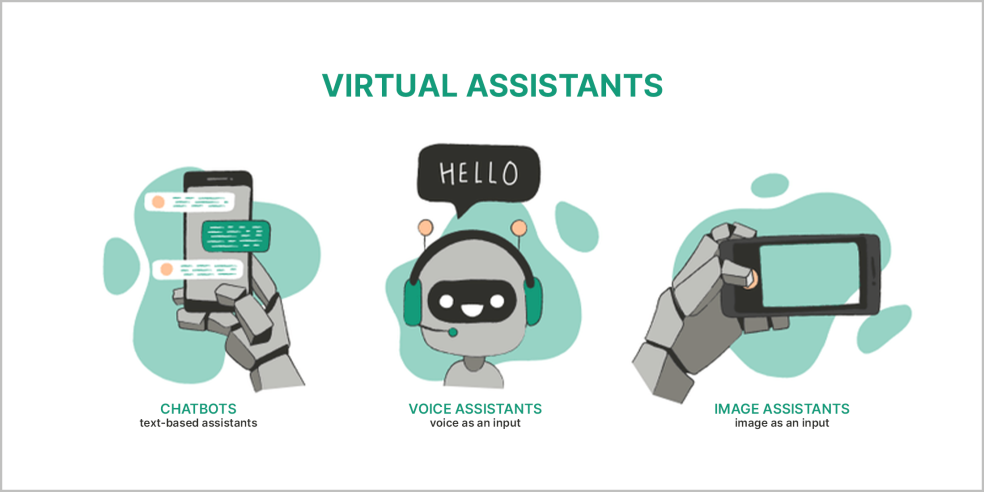
On the communication front, glasses integrated with voice assistants like Alexa or Google Assistant allow hands-free calls, messaging, and smart home control. Some models even include AI-powered translation, breaking down language barriers on the fly. In addition, entertainment is evolving as well. Devices like the Xreal One offer immersive AR experiences with bright OLED displays and a wide field of view, turning your glasses into a personal theatre.
What Are Experts Saying? 🔗
Kerry Wan praised the Halliday AI smart glasses for their lightweight design and innovative on-screen display, which projects textual information such as translations and notifications without obstructing the user’s view.
“My demonstration involved connecting the glasses to a MacBook and browsing on an ultrawide screen suspended in mid-air. To my surprise, the floating windows remained in place, just as I remembered them doing on more expensive headsets like the Quest 3 and Vision Pro. The Xreal One Pro won’t be available until March, but I’m excited to see how they perform when they do”,
Wan stated.
The Numbers Behind the Trend 🔗
Let’s look at some numbers that highlight where we stand:
- The global smart glasses market size reached US$ 925.22 million in 2024 and is expected to reach US $2,496.45 million by 2032, growing with a CAGR of 13.21% during the forecast period 2025-2032.
- Meta’s investment in virtual and augmented reality (VR and AR) is set to surpass $100 billion this year, with CEO Mark Zuckerberg declaring that 2025 will be a “defining year” for its smart glasses division.
What Does the Future Hold? 🔗
Looking ahead, the trajectory is clear. HUD glasses will become more affordable, more powerful, and more integrated into our digital lives.
We can expect:
- Lower Prices: As component costs continue to drop and competition heats up.
- Better Battery Life: Solid-state batteries and energy harvesting tech may extend usage beyond a full day.
- Enhanced AI: Smarter, context-aware assistants will anticipate needs and provide proactive help.
- Neural Interfaces: Gesture and brain-computer interfaces will make interaction effortless.
- Expanded Ecosystems: Integration with smart homes, vehicles, and IoT devices will turn glasses into central hubs.
- Health Applications: FDA-approved hearing aids and vision correction features will broaden accessibility.
Also Read: VR Training Goes Mainstream
Final Thoughts 🔗
HUD glasses have travelled a long way from military cockpits and awkward prototypes to stylish, affordable devices that can fit into your everyday life. The technology is maturing, the prices are dropping, and the possibilities are expanding.
As we stand in mid-2025, the question is no longer if HUD glasses will become mainstream but how soon and how profoundly they will change our interaction with the digital world. Whether it’s navigating a new city, staying connected on the go, or enhancing work and play, smart glasses with HUDs are ready to step out of the realm of science fiction and into your daily routine.
The future is not just about seeing more; it’s about seeing smarter.
This is the moment HUD glasses have been waiting for. Affordable, functional, and stylish, they’re ready to change the way we see the world literally.
So, are you ready to put them on?
Frequently Asked Questions 🔗
1. What are HUD glasses? 🔗
If a pair of smart glasses can track poses, they qualify as an augmented reality device. An optical head-mounted display (OHMD), embedded wireless glasses with a transparent heads-up display (HUD), or augmented reality (AR) overlay are used to superimpose information on a field of view.
2. How affordable are HUD glasses now compared to a few years ago? 🔗
Prices have dropped dramatically. While early models like Google Glass cost over $1500, many consumer HUD glasses now range from $239 to $600, with some even cheaper after discounts.
3. What practical uses do HUD glasses offer today? 🔗
They provide hands-free navigation, fitness tracking, real-time translation, hands-free communication, workplace productivity tools, and immersive AR entertainment.
4. Are there privacy risks with smart glasses? 🔗
Yes, cameras and microphones raise privacy concerns. Companies are working on safeguards, but users should stay informed and cautious.
5. Will HUD glasses replace smartphones? 🔗
Not yet. They complement smartphones by providing quick, hands-free access to information but lack the full app ecosystems and functionality of phones.