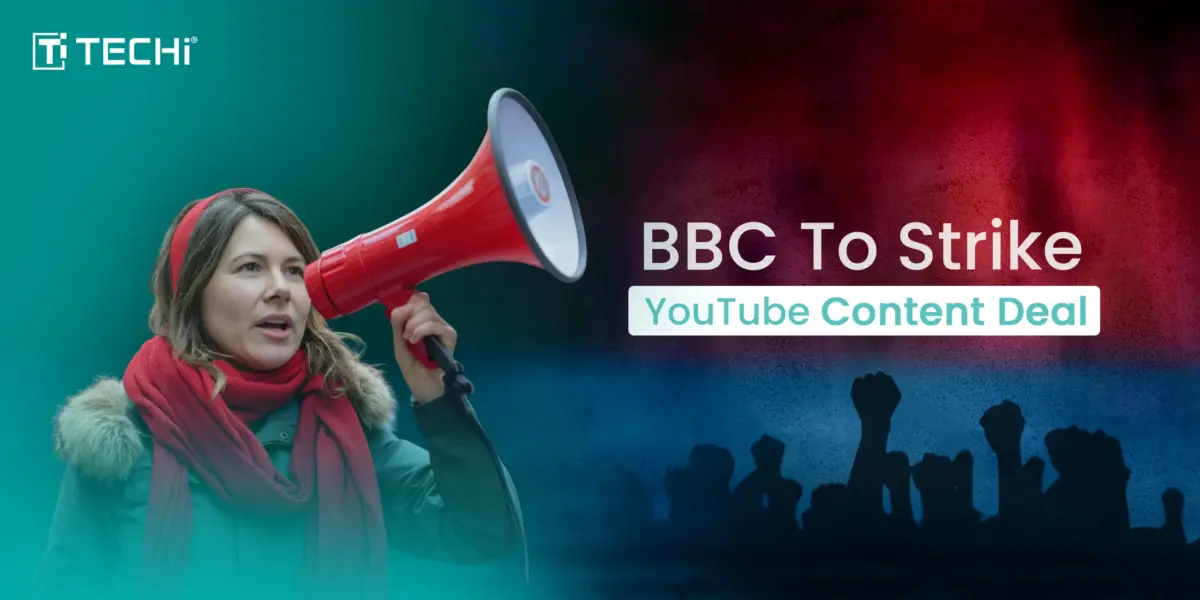
BBC is set to create original content on YouTube, the first time the company would do so, a fact that highlights how rapidly the UK viewership is moving to the Google-owned platform.
The alliance, which is said to be announced as early as next week, is an attempt at recovering the youth who currently devote more of their time to U.S. technological platforms rather than to standard television.
New Deal, New Audience
Sources familiar with the talks, as reported by the Financial Times reveal that BBC will produce programmes that are specially made to YouTube platform, which will be made available later on its own iPlayer and Sounds platforms.
This would be the pioneer case where the UK national broadcaster integrates made-for-YouTube series into its Viable Strategy instead of regarding these as a fringe marketing programme.
According to data from Barb’s website, YouTube had 51.9 million viewers in December, more than a million more than the BBC’s comparable figure of 50.8 million. The number of people who watched a television program for at least three minutes straight in a given month on TVs, smartphones, tablets, and PCs is measured by Barb’s audience reach figure.
Strategic Background
As of 2020, the BBC has been pursuing its digital first strategy under the principle of deriving more value out of online, with a strategy of increasing investment in products on iPlayer and releasing products online instead of on linear schedules.
The strategy focuses on building a cutting-edge, digital-driven, and efficient organization that maximizes the value of the license fee and provides audiences with more.
Nevertheless, the behavior of the audience has developed further, with YouTube relying on creator-led franchises like Sidemen and MrBeast to popularize large screen viewing and even obscure the difference between television and online video.
The proposed YouTube contract successfully is an expansion on this online strategy outside of YouTube, with the YouTube algorithm and massive logged-in viewer count acting as a discovery funnel, and then funnels into the proprietary applications of the BBC.
Perspective on Public Service Media
Provided successfully, YouTube first BBC programs will be able to balance relevance among new viewers and advertise or match funding without damaging the principles of the public service.
However, there are still obvious risks, including the heightened dependence on a recommendation engine, data policies, and commercial conditions of a platform based in the United States and the possible loss of the direct contact between the BBC and its people.
Global content investment will reach $255bn in 2026, rising a modest 2% year-on-year, according to new forecasts from Ampere Analysis. Digital growth rates and other UK broadcasters will consider such alliances as businesses that, as Ofcom asserts, require an immediate boost by YouTube to keep afloat.