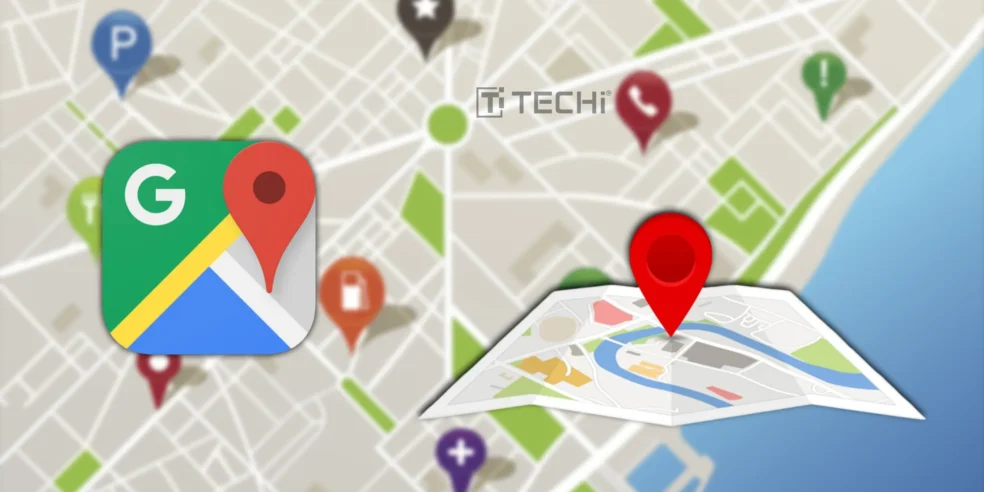
September 11, 2025 was the date when many people were literally unable to find their way home. Google maps went down for a three hour complete blackout, leaving thousands of people stranded on the streets, questioning their choice of depending on technology a little too much. Over 4,000 users reported complete navigation failures across Android and iOS platforms on Downdetector, encountering Cannot reach server messages. In hindsight, it might be just another tech-glitch but it’s a reminder that humans have outsourced one of their fundamental skills; Navigation.
What used to be a blend of memory, landmarks, and asking strangers for directions has mostly been replaced by a blue dot on the screen. That’s convenient, but such an outage does sober us to the reality that we have traded basic life skills for efficiency. The facilities humans use, optimize their performance and the one they put on a rest for so long, start to rot and this seems to be the case with human’s sense of direction.
Human Cost of Technical Collapse 🔗
Google’s Status Dashboard later explained the outage, attributing it to Maps Software Development Kit (SDK) and Navigation Software Development Kit (SDK). Both the systems went down simultaneously knocking out a big chunk of mobile apps that rely on them for navigation. The outage stretched past three hours with phase wise recovery for iOS and Android. Such clinical timestamps mask a deeper vulnerability that we have stumbled into a reality where millions of people can be left out guessing where to go without a company’s permission.
Too Big To Fail 🔗
With Google maps commanding over 67% of global navigation market share, the service has essentially become too big to fail, or at least that is how it should operate now. This means one company has control to manage the movement of the majority of the world’s population. It’s an unprecedented demonstration of corporate control over human mobility.
Digital Equity 🔗
No crisis hit the affluent and the middle class alike, so didn’t this one. Mostly the affluent users could jump right off to alternatives such as Car infotainment systems or even paid apps like Waze, Mapquest, or here we go. But, rideshare drivers, delivery couriers, and other gig economy workers don’t have the luxury of choices and face an immediate income loss during those hours of outage.
The very group that is most reliant on google maps’ free navigation service got to bear the brunt of it the most. This incident revealed another inherent issue with this age of technology; when essential digital services fail to deliver, they don’t just bring in inconvenience rather they magnify the existing social and economic inequalities that technology promises to diminish time and time again.
Yet Again 🔗
It’s not long ago when Google digitally ghosted the ones relying on it. The last similar hiccup happened in June this year, when its cloud services went down for hours, rippling across the digital ecosystem. Major stakeholders like Spotify, Snapchat, and many others who rely on Google cloud were left clueless. It means that the outage didn’t just affect individuals but an entire business landscape.
Taken together these incidents highlight how deeply everyday life now depends on a handful of corporate infrastructure. It is so fragile that the entire system falls to the ground even if one link in the chain breaks.