


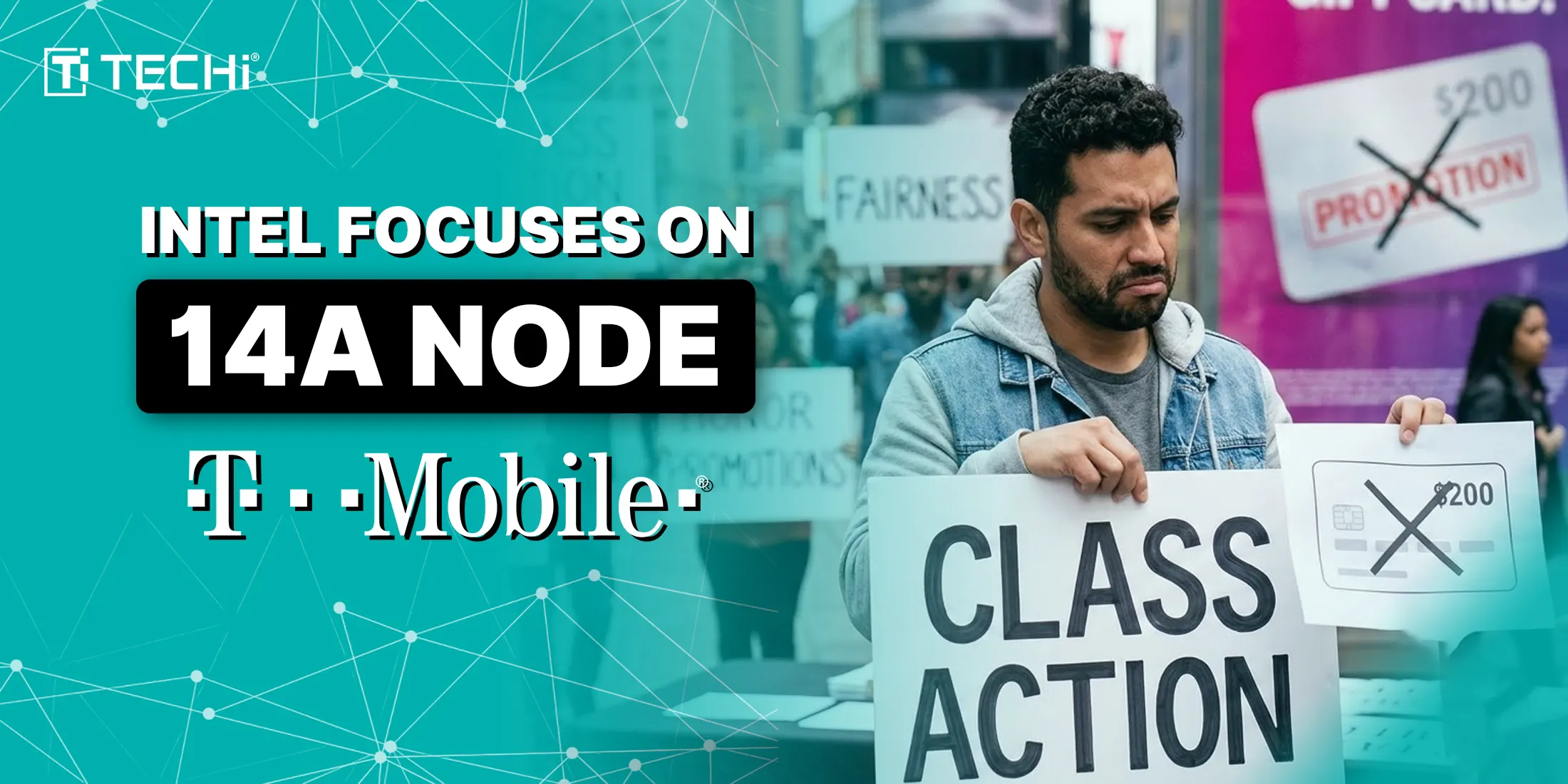
T-Mobile customers are filing a class-action lawsuit alleging the telecommunications company promoted a $200 gift card offer it never honored.
The suit was filed in the U.S. District Court for the Central District of California, Case No. 5:25-cv-03031, which argues that the consumer promotional efforts by the carrier misled the consumers to buy new lines and then withdraw the promised incentives.
The Deceptive Deal
Plaintiff Purya Ghrabeti states the ad that led him to purchase an offer of a $200 card upon each new line, which a representative of the store approved. After the buy, the company reportedly rejected the promotion claiming it was nonexistent.
Ghrabeti is aiming to represent every California buyer who was defrauded of the promised benefits since the introduction of the offer. The lawsuit, filed by Todd M. Friedman, P.C., alleges false advertising under California state law, claiming T-Mobile used fabricated incentives to boost sales.
Psychological Pressure on T-Mobile
The carrier’s legal problems are compounding. Two months prior T-Mobile was being sued on another Californian lawsuit alleging it raised the prices of its lifelong plans with no customer permission, which according to an annual report from the Commission for Complaints for Telecom-television Services (CCTS), Canadians filed a record 23,647 complaints against their telecom companies last year.
However, T-Mobile (TMUS) now expects $80.5 billion to $81.5 billion in service revenue for 2027. Analysts tracked by FactSet were looking for $80.2 billion. While the company didn't offer guidance on postpaid phone net additions for 2026, it said to expect between 900,000 and 1 million postpaid net account additions for the year.
Accounts can have multiple subscribers, which is why Chief Financial Officer Peter Osvaldik told MarketWatch that this metric "correlates best with value creation," in his view.
What Lies Ahead
The plaintiff seeks restitution, injunction, and trial by jury. T-Mobile should respond swiftly to these accusations or it will face further inquiries by FCC and decrease of its stock price, which has already dropped after filing.
In the case of its users, it may be translated into a real compensation; the stakeholders must keep an eye on the upcoming opt-in dates. Transparency and ensuring proactive remediation, which will prevent the further litigation.
About the Author

Komal Rehman Lali is a technology writer at TECHi who covers the latest tech news, emerging innovations, and trends shaping the digital world. Her reporting helps readers stay ahead in a fast-moving tech landscape.


Comments