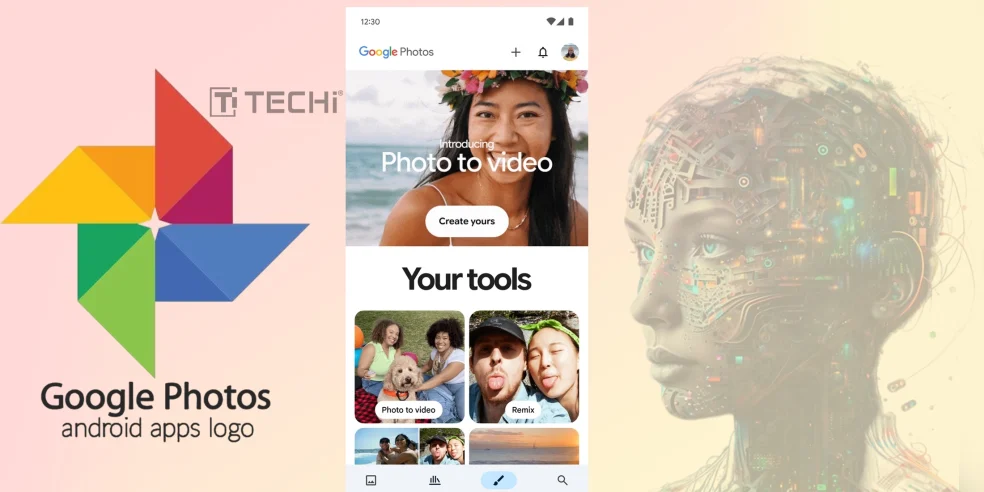

This update signals Google’s calculated move to democratize generative AI not through labs or tech demos, but inside a product that billions already use to preserve memories. It’s subtle, almost casual, but this is how major behavior shifts begin, doesn’t it? What seems clever is how Google has embedded AI where it feels personal, not intrusive. Users are being invited to animate grandma’s smile or turn a pet photo into a comic strip. It’s emotional AI, not only technical AI.
The watermarks are a quiet nod to growing pressures for transparency, and the feedback prompts cleverly crowdsourced R&D from everyday users. But perhaps the real story here is scale. By folding these tools into a beloved app, Google is conditioning the public for an AI-native photo experience. Expect competitors like Apple Photos and Samsung Gallery to follow soon. But for now, Google has the edge and it’s teaching AI to live in your camera roll.
Zooming out, it’s worth considering what this means for the broader photo and media industry. Apple Photos and Samsung Gallery are likely already working on similar integrations. Apps like Picsart or Lensa may need to differentiate faster to stay relevant. Even social platforms like Instagram or Snapchat could find themselves disrupted by a reimagined Google Photos.
The bottom line? This is an inflection point. Google is quietly turning your photo gallery into an AI sandbox, and in doing so, it’s totally changing the way memories are created, edited, and even remembered.