Over the last one year, Google has experienced an increase in its stock by 75% making an investment that used to be a simple value-based one, a highly stakes gamble about perfect execution.
These were the times when it was possible to buy Alphabet simply because it seems to be undervalued, now investors need to see some concrete evidence that its AI dominance is possible to maintain.
The New Reality
The price-to-earnings ratio of 27.8 of Alphabet is not all that attractive compared to the peers like Microsoft and Apple, but it is not as representative of an extreme discount as it was at the beginning of 2025.
The company registered a 15 % annual growth in revenue, which was led by a re-acceleration of Search and remarkable 48 % growth in Google Cloud.
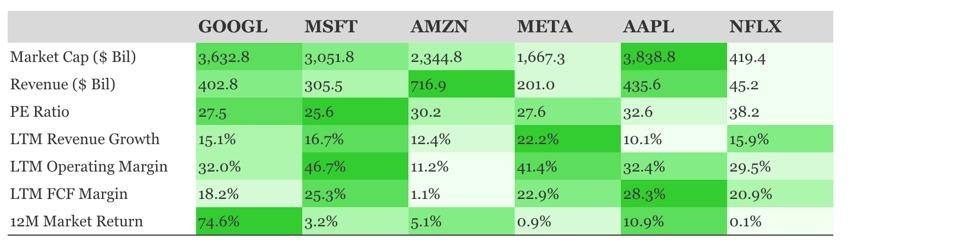
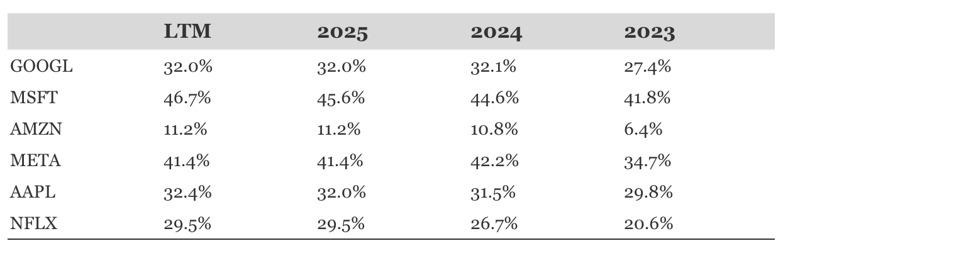
The operating margin is healthy with 31.6% that still operates despite major capital investments and this is to say that the core business is in a position to fund its transformational initiatives.
The Cost of Leading
In order to remain competitive, Google is planning to allocate its capital expenditures to between $175 billion-$185 billion in 2026.
This aggressive spending program aims at a future in which software agents will be given the autonomy to accomplish complex tasks due to the power of an agentic AI.
By contrast, 46.7% margins are being realized in enterprise software by Microsoft, but Google has to reinvest a lot to protect its advertising empire, as opposed to competing with generative-AI firms like open AI.
The difference in the margin profile supports the strategic battles that each technology giant engages in.
The Road Ahead
The investment thesis has transformed to have moved away from valuation to verification. The new race of AI based in many platforms is turning the infrastructure into a bargaining forced position, determining whether Google will be able to turn this asset into a permanent market share.
In case the company protects its moat of search and sells new AI products, the existing price in the market might seem rational in its view. On the other hand, any failure in implementation would punish shareholders who had come in at a high valuation.
The question that the market is no longer asking is whether Google is cheap or whether it is unstoppable.