With Apple’s iPhone 17 series expected to launch in September 2025, battery performance continues to be a decisive factor for smartphone buyers. Based on the latest reports, internal testing data, and established benchmarks from the iPhone 16 series, the upcoming lineup promises both impressive achievements and frankly disappointing compromises in battery endurance, particularly with Apple’s questionable decision to prioritize ultra-thin aesthetics over practical functionality.
Current Battery Life Benchmarks: The iPhone 16 Foundation 🔗
To understand iPhone 17 projections, we must first examine the exceptional performance standards set by the iPhone 16 series. The iPhone 16 Pro Max managed to hit 18 hours and 6 minutes during testing. Not only does that mean it has the best battery life of any iPhone Apple’s ever released, it also beats out almost every other phone we’ve tested.
Independent testing confirms these remarkable results across multiple sources:
- iPhone 16 Pro Max: On the Tom’s Guide battery test, which involves continuous web surfing over 5G at 150 nits of screen brightness, the iPhone 16 Pro Max lasted for an average of 17 hours and 38 minutes.
- Professional lab testing: The new flagship model scored an outstanding Active Use Time of 17 hours and 18 minutes.
These benchmarks establish the iPhone 16 Pro Max as the current gold standard for smartphone battery life, creating high expectations for its iPhone 17 successor.
iPhone 17 Air: Apple’s Misguided Design Obsession 🔗
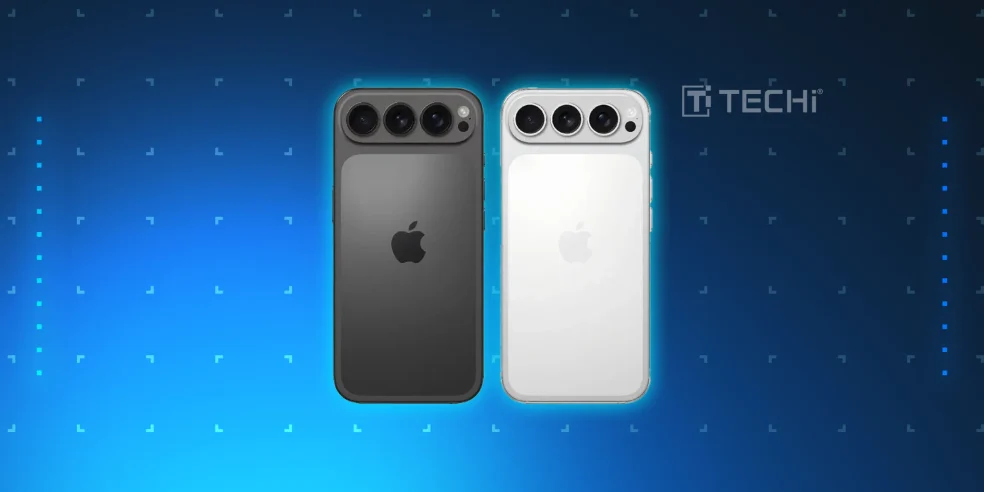
The most controversial and arguably misguided addition to the iPhone 17 lineup is the ultra-thin iPhone 17 Air, which replaces the iPhone Plus model. Early reports reveal significant battery life trade-offs for this design-focused device, and honestly, it’s hard to understand why Apple would deliberately sabotage one of their flagship features for the sake of Instagram-worthy thinness.
Internal Testing Results 🔗
According to multiple sources, Apple’s internal testing has revealed genuinely concerning statistics about the iPhone 17 Air’s endurance. In internal testing, Apple determined that the percentage of users who will be able to use the iPhone 17 Air for a full day without needing to recharge the device throughout the day will be between 60% and 70%, compared to the 80-90% full-day usage rates achieved by other iPhone models.
This is simply unacceptable in 2025. We’re talking about a flagship device that will leave nearly one-third of users scrambling for chargers by afternoon. Apple has the engineering talent and resources to create thin phones without devastating battery performance—Samsung and other manufacturers have proven this repeatedly.
Battery Capacity Concerns 🔗
Reports suggest the iPhone 17 Air will feature significantly reduced battery capacity, and the numbers are worse than expected. The iPhone 17 Air’s battery life could be very low compared to a normal iPhone, with a leaker claiming it will have a capacity of just 2,800mAh. This represents a substantial reduction from current iPhone Pro models and frankly explains why the projected all-day battery performance is so dismal.
Apple’s Response Strategy 🔗
Recognizing these limitations, Apple is reportedly taking an unusual and telling step. Sources indicate that the company is developing a dedicated battery case specifically for the iPhone 17 Air, which would mark the first time Apple has launched a battery case alongside a new iPhone model since the early iPhone 6s era. This feels like admitting defeat before the product even launches. If you need to sell a battery case alongside your phone to make it usable, maybe the phone isn’t thin enough to justify the compromise. It’s a band-aid solution to a self-inflicted problem.
iPhone 17 Pro and Pro Max: Where Apple Actually Gets It Right 🔗
While the iPhone 17 Air represents questionable priorities, the Pro models are expected to maintain and potentially improve upon the exceptional standards set by their predecessors, and this is where Apple should be focusing their energy.
iPhone 17 Pro Max Projections 🔗
Based on expected improvements in the A19 Pro chip efficiency and potential battery capacity increases, the iPhone 17 Pro Max could extend battery life to 18-19 hours of active use, building upon the iPhone 16 Pro Max’s already industry-leading performance.
iPhone 17 Pro Performance 🔗
The iPhone 17 Pro is anticipated to deliver 15-16 hours of real-world usage, maintaining the strong performance trajectory established by current generation devices while incorporating efficiency improvements from new silicon.
AI-Powered Battery Optimization 🔗
A significant development for the iPhone 17 series is the introduction of advanced battery management features. Apple plans to improve iPhone 17 Air battery life with the AI optimizations, though the feature set will be available for all iPhones that are able to run iOS 26.
While these AI optimizations are genuinely impressive technology, they feel like Apple trying to solve a problem they created unnecessarily. The iPhone 17 Air shouldn’t need AI wizardry to achieve acceptable battery life—it should have a properly sized battery in the first place.
Real-World Testing Methodology 🔗
Understanding how battery life is measured provides crucial context for these projections. Professional testing typically involves:
- Standardized conditions: Continuous web browsing over 5G networks at 150 nits screen brightness
- Multiple test runs: Results verified through repeated testing to ensure accuracy
- Real-world simulation: Testing protocols designed to reflect typical daily usage patterns
- Cross-platform comparison: Results benchmarked against competing flagship smartphones
These standardized testing methods ensure that battery life claims translate to genuine real-world performance for consumers.
User Impact Analysis 🔗
Heavy Users 🔗
Power users who rely heavily on their devices throughout the day will find significant differences across the iPhone 17 lineup:
- iPhone 17 Pro Max: Ideal for demanding usage with projected 18+ hour endurance
- iPhone 17 Pro: Suitable for most power users with 15-16 hour capacity
- iPhone 17 Air: Requires charging discipline with only 12-14 hour projected performance
Mainstream Users 🔗
For typical smartphone usage including social media, photography, messaging, and calls:
- iPhone 17 and iPhone 17 Pro: Should provide comfortable all-day performance
- iPhone 17 Air: May require midday charging for moderate to heavy usage patterns
Design-Conscious Users 🔗
The iPhone 17 Air specifically targets users prioritizing aesthetics and portability over maximum battery endurance. However, the 60-70% full-day usage rate represents a significant compromise that, frankly, most users shouldn’t have to accept at premium pricing levels expected in 2025. Apple is essentially asking customers to pay flagship prices for mid-tier battery performance.
Charging and Infrastructure Improvements 🔗
The iPhone 17 series is expected to introduce several charging and battery health improvements:
- Enhanced battery technologies: Easier battery replacement and improved long-term maintenance
- Advanced charging algorithms: Optimized charging patterns to reduce battery degradation
- Smart charging integration: Better integration with MagSafe and wireless charging ecosystems
Comparative Market Analysis 🔗
When evaluated against Android competitors, the iPhone 17 series presents a frustratingly mixed picture:
- iPhone 17 Pro Max: Expected to maintain competitive advantage in flagship battery performance, as it should
- iPhone 17 Pro: Should compete effectively with premium Android devices
- iPhone 17 Air: Will likely lag behind similarly-priced Android alternatives in endurance, which is embarrassing for Apple
The Bottom Line: Apple’s Scattered Priorities 🔗
The iPhone 17 series will offer distinctly different battery experiences depending on model selection, but Apple’s strategy feels frustratingly consumer-unfriendly. While the Pro Max continues Apple’s excellence in flagship battery performance, the Air model represents a significant compromise that prioritizes form over function, and that’s simply not acceptable in 2025.
Our Honest Recommendations by User Type 🔗
For Maximum Battery Life: iPhone 17 Pro Max remains the clear choice, building upon the iPhone 16 Pro Max’s industry-leading 17+ hour performance. But you shouldn’t have to buy the most expensive model just to get reliable all-day usage.
- For Balanced Performance: iPhone 17 Pro offers the best combination of features, performance, and battery life for most users, and this is probably where most people should land.
- For Design Priority: iPhone 17 Air appeals to users willing to accept reduced battery life for ultra-thin aesthetics, but honestly, we’d recommend skipping it unless you’re willing to carry a battery pack or live with constant charging anxiety.
- For Budget-Conscious Users: Standard iPhone 17 should provide adequate battery performance similar to current generation models, though “adequate” shouldn’t be the goal, it should be the baseline.
The uncomfortable truth is that Apple has the engineering talent and resources to deliver both excellent design and exceptional battery life across their entire lineup. They’ve proven this with the Pro Max models. The iPhone 17 Air feels like a solution in search of a problem, and Apple’s tiered approach to basic functionality like battery life feels more like a cash grab than genuine innovation.
The real test will come when these devices reach consumers, but based on Apple’s own internal testing, the iPhone 17 Air is already set up to disappoint a significant portion of users. Meanwhile, the Pro models will likely excel, creating an unnecessarily wide gap in user experience within the same product family.