

This article examines the growing scrutiny of Microsoft’s relationship with the U.S. Immigration or Customs Enforcement focusing on questions about the use of its technology and the broader ethical debate in the technology industry. Microsoft has also declared that it does not regard its technology as being used by ICE to conduct this mass surveillance for civilians.
The company affirmed that it provides cloud-based productivity and collaboration solutions to the agency. This claim was made after The Guardian reported that ICE had increased its reliance on Microsoft cloud services significantly at a time when the organization had been carrying out more arrests and deportations.
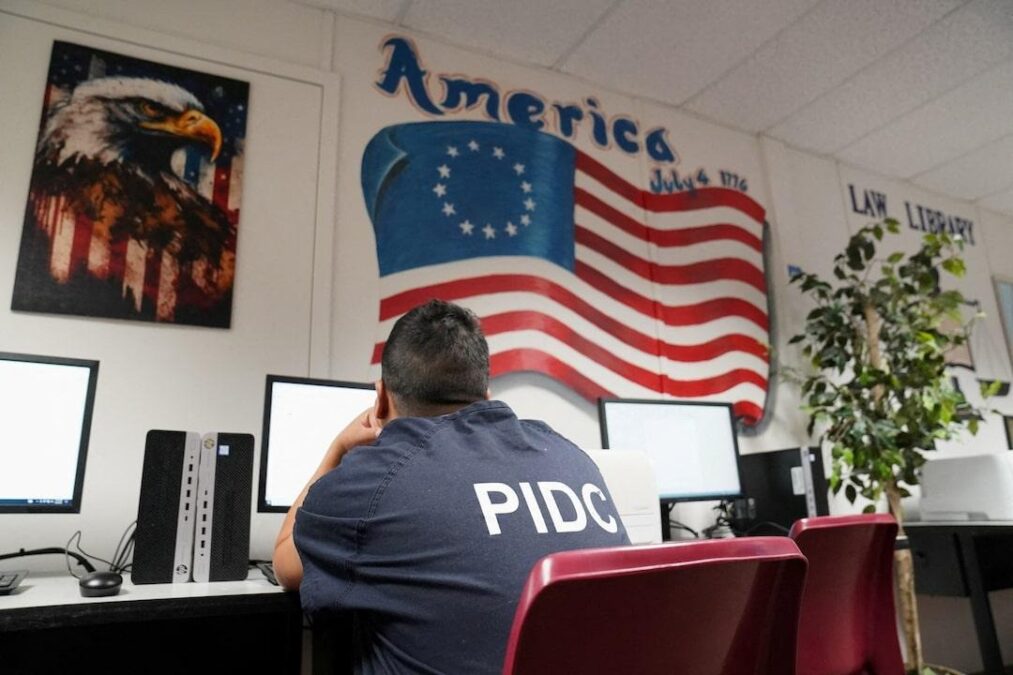
Fast Growth in Data and Technological Implementation
According to the report, ICE increased the amount of information that was stored on the cloud platform by Microsoft more than threefold in less than six months. This growth was accompanied by an increase in funding of the agency and an increase in the number of employees. The reports also indicate that ICE utilizes a wide range of computer tools, including data-search and data-analysis tools, to handle large information archives.
Microsoft responded to this by arguing that its services are delivered via the partner channels and that its policies specifically forbid the use of its technology to conduct mass civilian surveillance.

Legal Containment and Responsibility
Another measure that Microsoft took to control the use of emerging technologies by law enforcers was to encourage the enactment of clear legal boundaries by the legislators and the judiciary. The firm insisted that more explicit regulations would help both government and technology companies in deterring abuse and public apprehension.
ICE, as an agency under the Department of Homeland security refused to release the exact tools used during ongoing investigations, but confirmed that technology does help to facilitate arrests.
Political Coercion and More Far-Reaching Implications
The case comes at a time of greater political scrutiny on immigration enforcement under the Trump administration. His strict views on immigration have led to criticism from human-rights organizations. These groups argue that his policies undermine due process and create fear among affected communities. At the same time, leading technology companies strive to maintain friendly relations with the government.
The controversy highlights a growing problem that is facing the technology industry. Companies like Microsoft have to balance business dealings, social responsibility, and ethics. News by Reuters depicts a more close-knit relationship between corporate technology decisions and national policy, civil rights and accountability that is expected to be taken by the people.