
Infineon Technologies AG assumes that the humanoid robot chip market is a small but potentially a high drive market. Jochen Hanebeck, the chief executive of the company, opined that the market forces of supply and demand of these microchips can change in a fashion similar to that witnessed in the lightning-fast growth of artificial-intelligence data centers and processors.
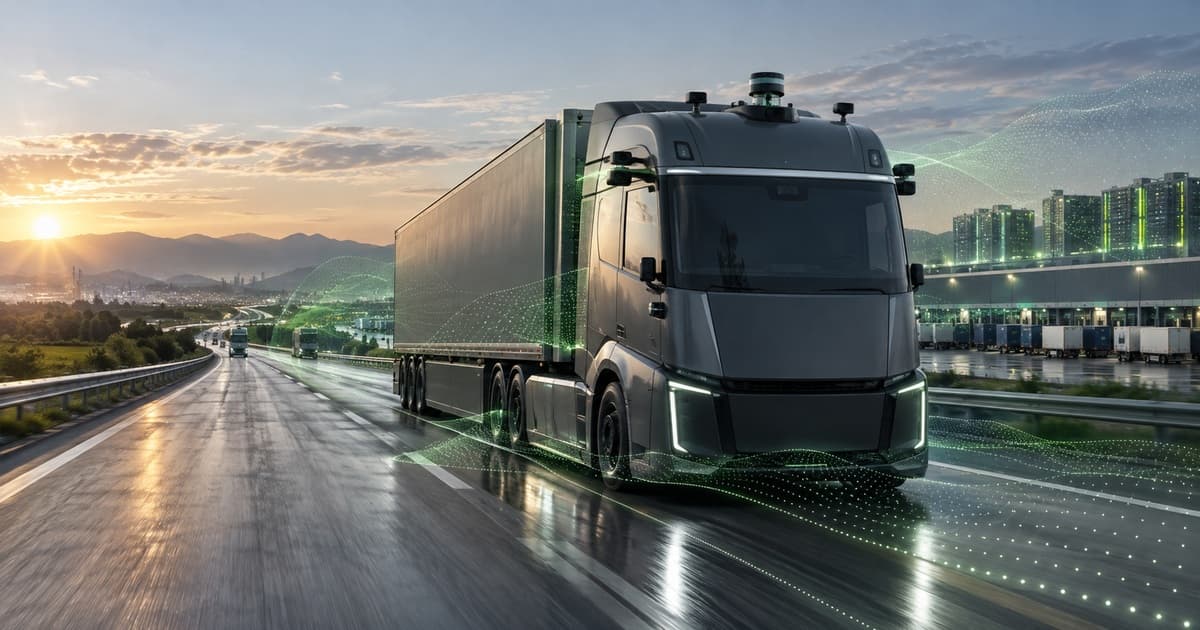
Jochen Hanebeck also argues that Infineon can already provide a substantial list of the components needed to create humanoid robotics, a fact mostly due to the fact that the company has vast experience in the field of autonomous driving technologies. The idea of translating the expertise in sensor instrumentation, power regulation, and safety systems into robotic use is given as a good approach to providing the functional demands of the mobile, visual, and interactive agents.
The executive stressed further that the product entry into the humanoid robot chip business would not require large, in-house development efforts and therefore reduce costs alongside risk at a time when semiconductor manufacturers are under an incentive to maximize capital deployment.
The following statements were made during an industry tour to Taipei, which was a site that has been central to the global semiconductor supply chain and its future technological orientation. To the shareholders, the strategic orientation of Infineon sends a very strong message: the company is strongly diversifying beyond the automotive and industrial segments and is seeking a long-lasting and sustainable source of growth. The newly emergent area of humanoid robotics that was previously viewed as a minor niche market is now being viewed as a viable business opportunity.

About the Author

Layloma Rashid writes about AI platforms, semiconductor companies and enterprise technology for TECHi. Her portfolio covers model releases, chip trade and export policy, cloud services and public-company results. Her articles connect product and infrastructure developments with the businesses selling and financing them.


Comments