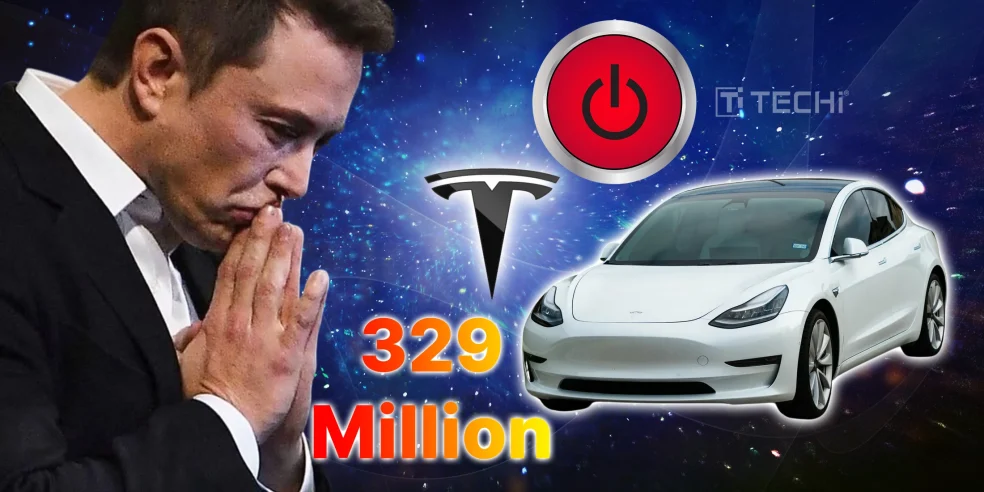

A recent $329 million judgement against Tesla could define the future of autonomous vehicle technology. A Miami jury also found Tesla partially responsible in a 2019 crash in which its Autopilot was involved and resulted in the deaths of individuals.
This result is an indication of a change in the responsibility for self-driving vehicles that can be divided between manufacturers and drivers.
The case gained attention due to the fact that it is not typical for Tesla to lose in a court building, with most other cases being settled. The trial has highlighted how Tesla operates internally and how it manages the data, which increases concerns regarding transparency.
The verdict by the jury is a dangerous moment for Tesla. The company is ready to release its already highly anticipated driverless taxi fleet, which arguably will revolutionize transportation.
Nevertheless, this ruling throws new light on the branding of the Tesla Autopilot feature, whose name some researchers feel can create illusions of safety and protection to drivers.
The case not only demonstrated the weaknesses of the current autonomous driving technology but also demonstrated how companies communicate these limits to their users and, in turn, showed why this is important.
Going into the future, it is highly anticipated that this decision will be a point of entry to other cases. The number of households that suffered similar accidents could decide to litigate against Tesla and other automakers that provide advanced driver assistance services.
This might spell a wave of lawsuits in the future. It may also bring increased regulatory attention and new government attempts to set up more definite standards and protections around these technologies.
Finally, the Miami decision affects both the short-term operation of Tesla and the legal precedent that could be applied to the auto industry.
As companies compete to be the first to deliver more advanced self-driving capabilities to the market, they are now forced to consider the possibility that humans and algorithms alike will be legally accountable in case of any accidents.
This advancement will probably accelerate not only the technological advances but also the regulatory ones designed to make drivers, passengers, and pedestrians safer on the roads.