Globally, an estimated 6 billion people, about three-quarters of the world’s population, are using the Internet in 2025, up from a revised estimate of 5.8 billion in 2024. However, 2.2 billion people remain offline, down from a revised estimate of 2.3 billion in 2024.
The global digital economy is expected to surge to nearly $28 trillion in 2026, expanding at a pace three times faster than the overall world economy, according to new findings from the Digital Cooperation Organization (DCO). The discussion below follows the development of the evolution of 9 pioneering inventions and how far we have come.
Table of Contents
1. Computers – Quantum Supremacy
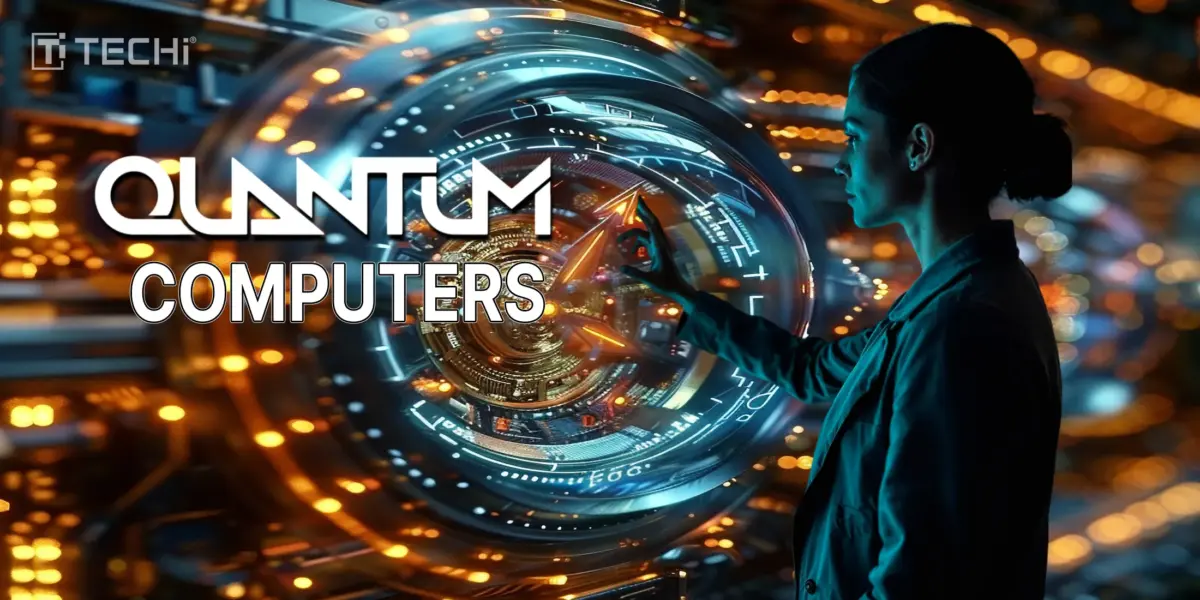
In 1938, the Z1 was put into operation and could process a rate of 1Hz and 64 words. Willow (a quantum chip) performed a computation in under five minutes that would take one of today’s fastest supercomputers 10-25 or 10 septillion years.
If you want to put it in writing, it is 10,000,000,000,000,000,000 years. This mind-boggling number surpasses known physics timescales and far exceeds the universe’s age. Financially, Google Incorporation stock has increased by 66.26% in the current year; exchange-traded funds that follow the quantum have increased by 68%.
According to MarketsandMarkets research, the quantum computing market is projected to reach $20.20 billion by 2030, representing a compound annual growth rate of 41.8%. More aggressive projections indicate even higher valuations, with Zion Market Research forecasting a market worth $17.15 billion by the year 2034 at a CAGR of 32.14%.
2. The Internet 6G Revolution
The basic structure of the network was defined by the Transmission Control Protocol/Internet Protocol set, first standardized in 1983. Multiple waves of deployments of 5G and upgrades have yet to occur in numerous regions of the world.
However, the ICT industry, academia, and governing bodies have already begun to discuss and invest in emerging technologies that will power the next generation of wireless capabilities following 5G and 5G Advanced, also known as 6G. The first commercial 6G deployments are expected in 2030.
3. Webpages AI E-Commerce

The first webpage was published in 1990. The market for AI-powered ecommerce tools is on track to hit nearly $17 billion by 2030, making now the time to build with smart tech at your side.
The introduction of web applications for electronic commerce has been one of the most transformative developments since it has completely altered how we trade goods and services
4. Personal computers Neuromorphic Edge

Most hold the Altair 8800, released in 1975, to be the first personal computer. The AI revolution is pushing silicon to its limits. Traditional electronic chips are hitting a thermal and energy wall, making it harder to sustain the exponential growth of AI models. Enter photonic AI chips processors that compute using light instead of electricity.
University of Shanghai for Science and Technology (USST) unveiled an ultra-compact photonic AI chip in September 2025. Built on a Thin-Film Lithium Niobate (TFLN) platform, it fits under 1 mm², processes at nanosecond speeds, and slashes energy consumption compared to GPUs.
5. Laptops Foldable AR

Foldable laptops use a flexible OLED panel that bends, turning one large display into multiple layouts (single big screen, dual-pane, or laptop mode with on-screen keyboard or detached keyboard).
AR laptops remove the physical display and replace it with AR glasses that project a large virtual desktop into your field of view while you use a normal keyboard/trackpad base, such as Spacetop G1.
6. Social Networking Decentralized protocols
User profile pioneer 6 Degrees was formed in 1997. In 2025, Bluesky has 40.2 million daily active users with blockchain verification to eliminate 99.9% of the bots.
7. Computer Games Cloud Dominance

Early interactive entertainment Spacewar, first played in 1962 on a PDP-1, was a very early interactive entertainment. Cloud gaming lets a player enjoy video games without a powerful console or PC.
The game actually runs on strong computers stored in remote data centres. The player needs a device with a screen, such as a phone, laptop, or smart TV, and a good internet connection. From 2025 to 2030, Cloud gaming may grow at about 22.28% per year, reaching $28.60 billion in 2030.
8. Smartphones AGI Deployment
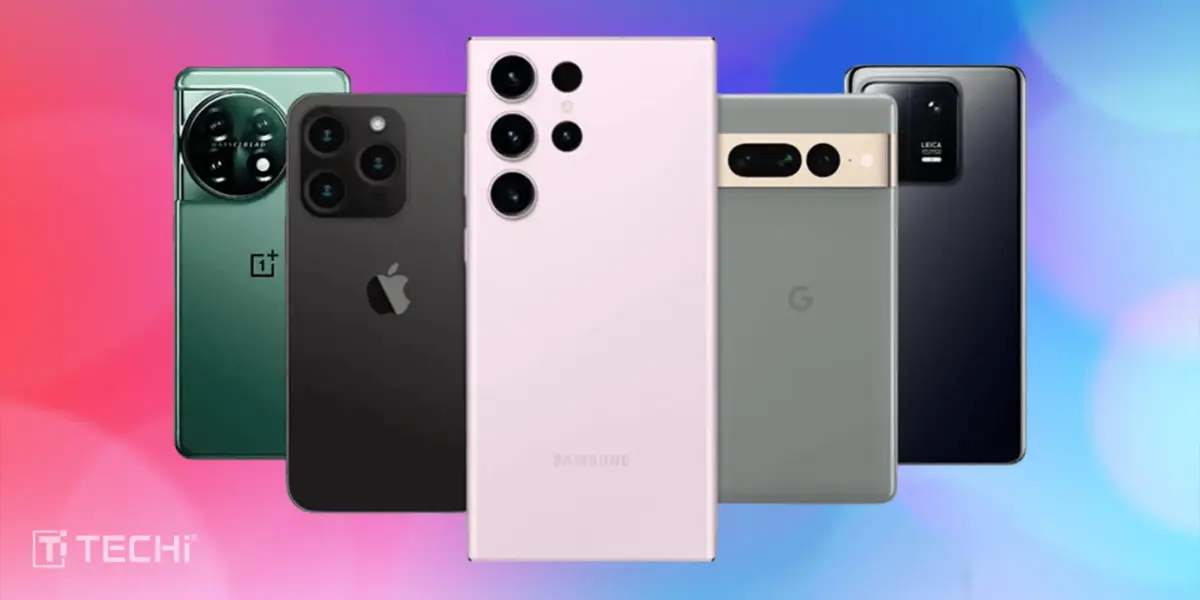
In 1994, IBM Simon was released which incorporated e-mail and touchscreens. In 2025, Openai o1-pro model is an advanced language model optimized for complex reasoning and specialized professional tasks, offering enhanced capabilities while maintaining high efficiency.
9. MP3 Players Generative Audio
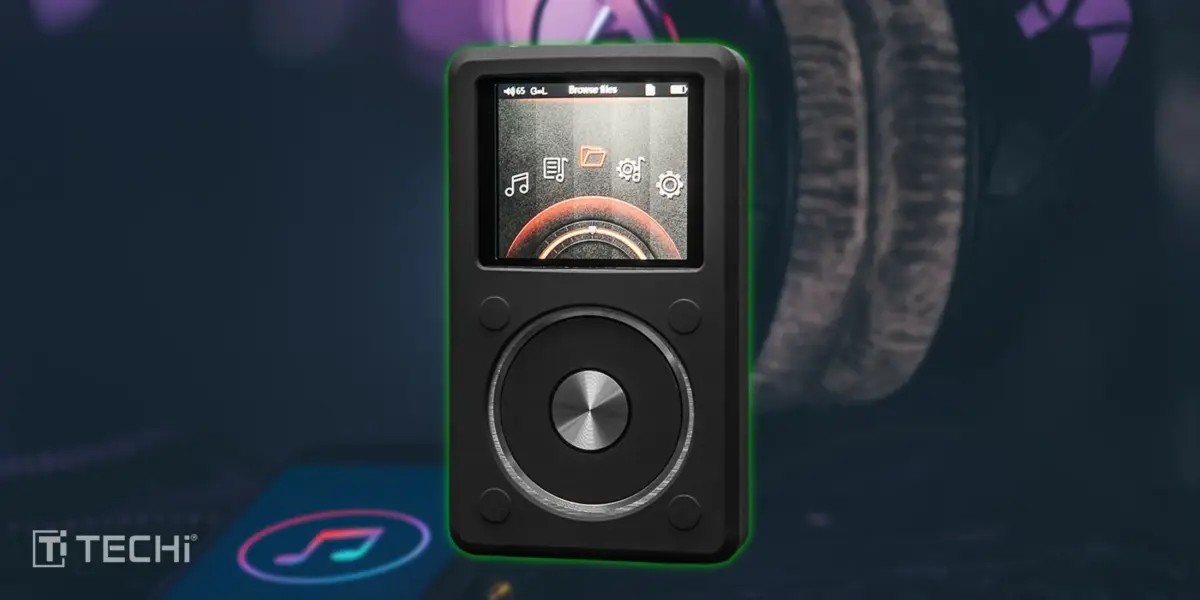
In 1997, the technology was outperformed by Innovation, with the launch of Listen, a 32 MB device that had the capacity to play six songs. Spotify now accepts audiobooks narrated using ElevenLabs AI voice technology.
Given that ElevenLabs is currently among the most recognized AI audio providers which supplies 350,000 audiobooks to more than 713 million users, including 281 million subscribers in more than 180 markets.
Conclusion
The world has evolved from creation of Z1 up to the development of quantum technology and 6G horizons, yet the International Telecommunication Union warns, inequality in quality remains. The future looks like it will be universal, where AI access will be accessible to everyone.