


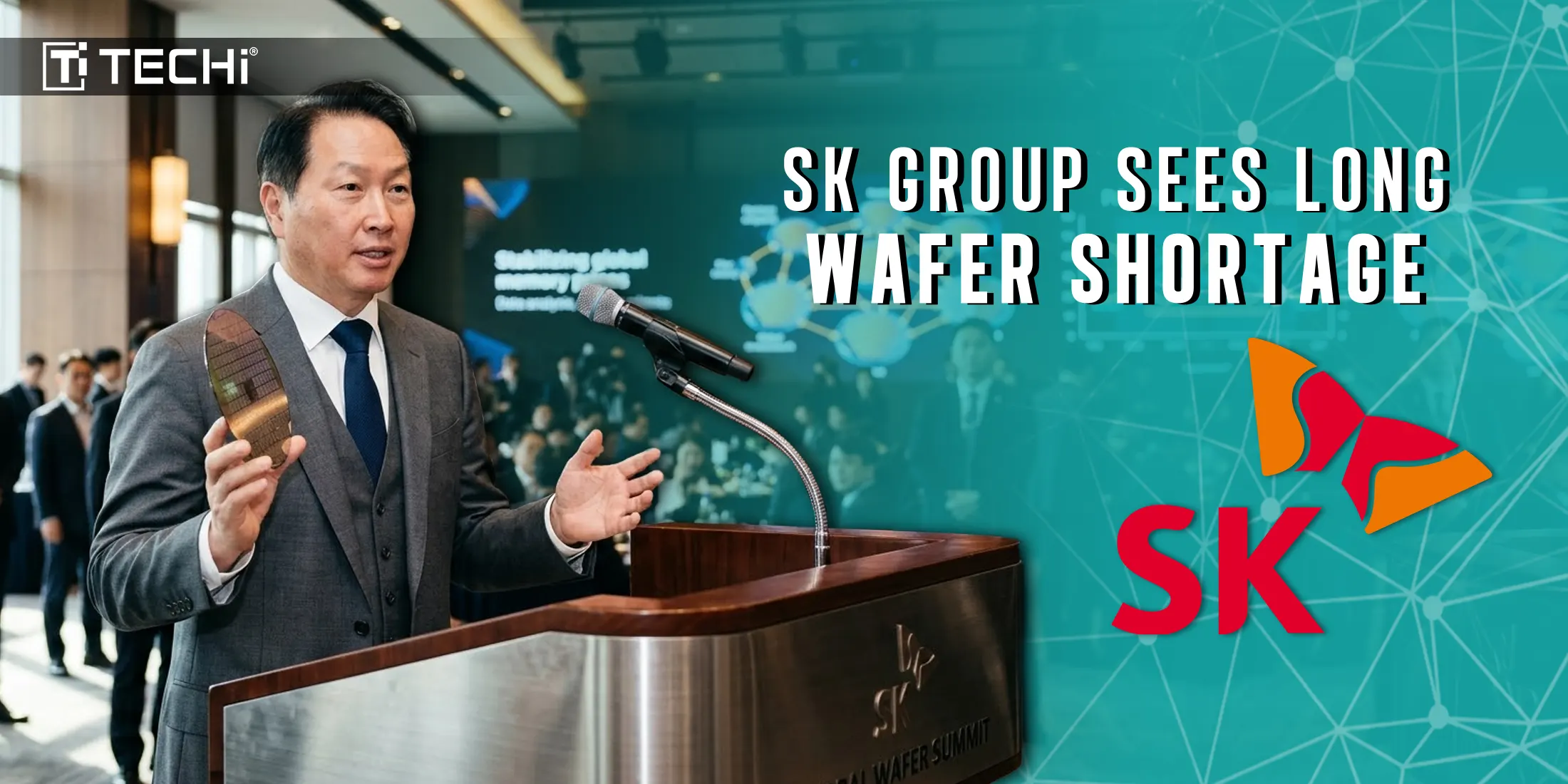
Recently, the chairman of SK Group, Chey Tae-won, warned about global semiconductor supply challenges, including a shortage of chip wafers. At the NVIDIA GTC Conference in California, he demonstrated how the rapid growth of AI is increasing demand from chip manufacturers.
Furthermore, Chey also illustrated how the requirement of advanced memory is increasing, most significantly, the high-bandwidth memory (HBM). This high demand is increasing the pressure on the wafer supply. In the AI manufacturing domain, HBM plays a crucial role and is used by companies such as NVIDIA.
Chey also explained that expanding wafer production is not a solution, as building new manufacturing capacity requires a lot of investment and skilled labour. He expects that imbalance to persist until around 2030, with wafer supply lagging demand by more than 20% in the upcoming years.
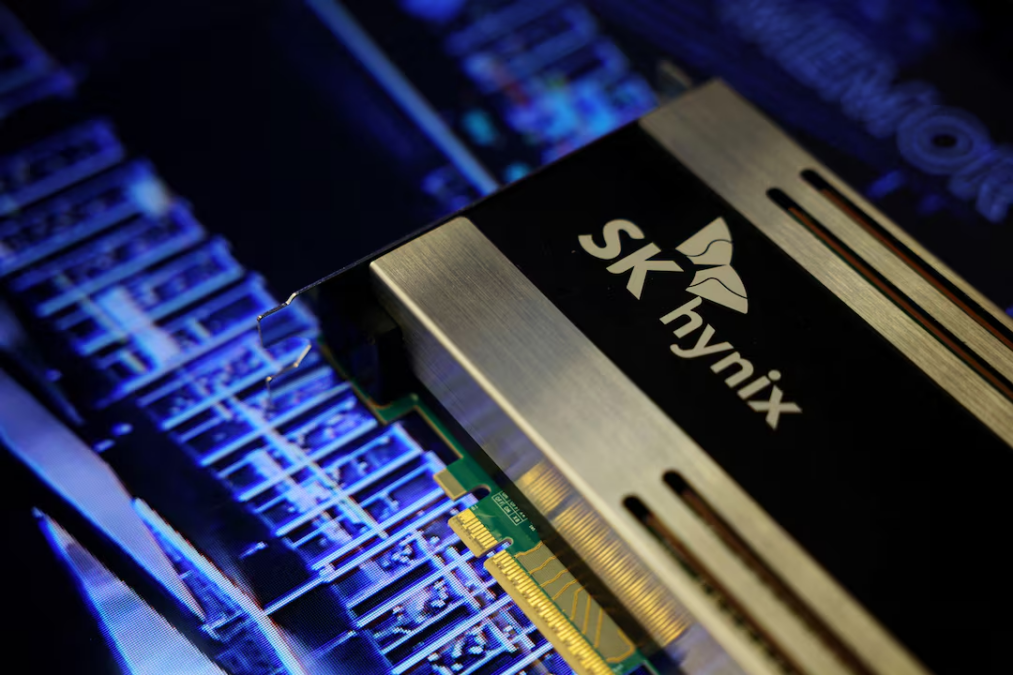
While further addressing these challenges, SK Hynix, a well-known player in the global memory market, illustrated strategies to stabilize DRAM processes. To attain the attention of international investors, the company is considering a US American Depositary Receipt (ADR).
Currently, the companies are focusing on improving domestic production capabilities and not investing in expanding production overseas. This is due to multiple factors such as power, water, and construction resources. Moreover, they also find it difficult to quickly build facilities outside South Korea.
The geopolitical tensions are also impacting the energy costs, thus giving rise to prices, resulting in making companies like SK group look for alternative energy sources.
As a result, due to the high growth of artificial intelligence, the semiconductor industry is facing great pressure. However, despite the shortage, industry leaders emphasize that resolving the supply constraints might consume time.
Disclaimer
This article is for informational purposes only and does not constitute financial, investment, tax, or legal advice. Market data, tax rules, and prices can change after the article date. TECHi and its authors may hold positions in securities or digital assets mentioned. Always conduct your own research and consult a licensed financial, tax, or legal professional before making decisions.
About the Author

Komal Rehman Lali is a technology writer at TECHi who covers the latest tech news, emerging innovations, and trends shaping the digital world. Her reporting helps readers stay ahead in a fast-moving tech landscape.
Comments