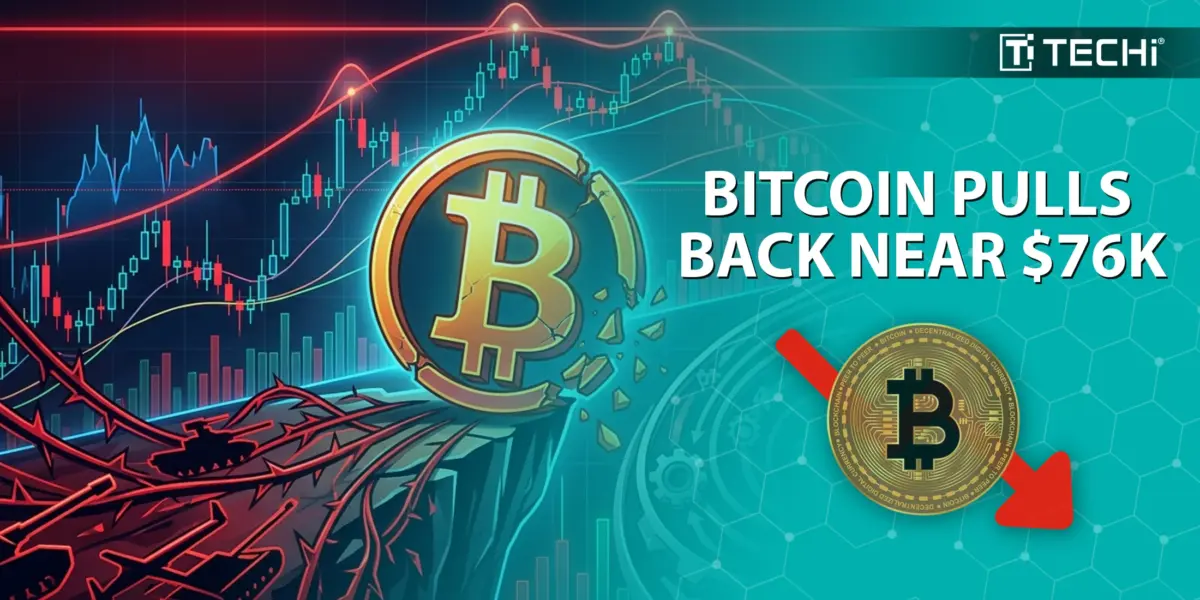
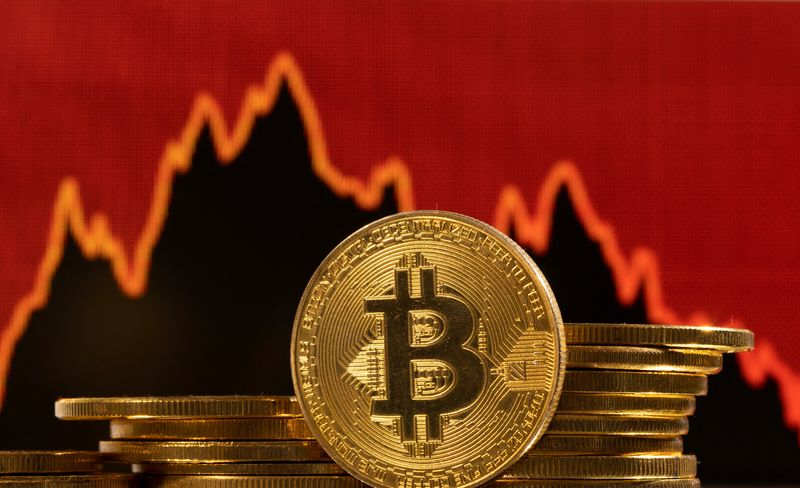
On Tuesday, Bitcoin traded around $74,000, dropping after reaching almost $76,000. This drop was noticed due to investors weighing tensions in the Middle East and looking forward to key Federal Reserve meetings.
Currently, the world’s largest cryptocurrency is last traded at $74,291 with a minor gain of 0.2%. This recent increment was noticed by traders closing out bets on falling prices.
The market was also influenced by the growing interest of institutional investors in Bitcoin ETFs. The gains are still unstable as analysts assume that each rally this month is under selling pressure, resulting in a short period of growth.
The current geopolitical tensions have widely influenced the markets. The current disputes involving the US, Israel, and Iran have now entered their third week, causing a significant impact on risk sentiment.
Furthermore, oil prices increased above $100 per barrel as investors were concerned about potential supply through the Strait of Hormuz. Energy costs have also given rise to inflation worries, thus affecting the positioning across financial markets, along with cryptocurrencies.
Traders are still on the Federal Reserve’s policy announcement scheduled for Wednesday. The central bank is currently holding interest rates, and markets are concerned about inflation risk. Moreover, different global central banks will also release updates this week about market uncertainty.
Altcoins did not show a balanced performance, as Ethereum rose 1.5% and XRP gained 3% to $1.53, while Solana declined by 0.3%. Cardano and Polygon each fell about 1%, and Dogecoin also slipped to 1%.
Bitcoin’s recent changes show how the crypto market is significantly impacted by global events. Traders are watching developments closely, balancing risks from geopolitical tensions with hopes of further gains.
In summary, Bitcoin’s recent price shifts reflect both macroeconomic concerns and continued interest from institutional players. Since the crypto market is connected with geopolitical risks and central bank decisions, investors are closely watching broader trends to gauge potential movements.