



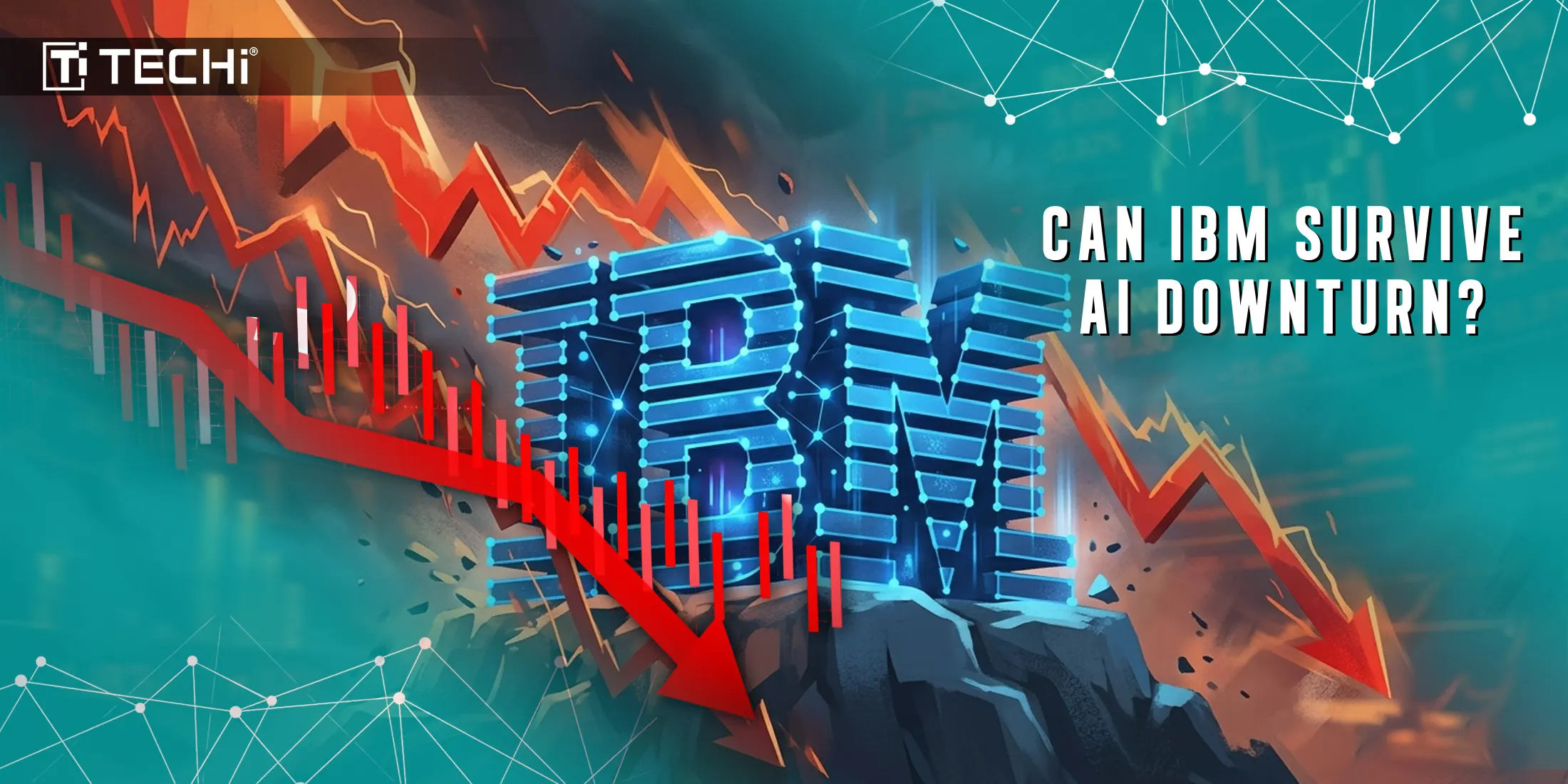
The closing price of the IBM shares has been about $249.38 with the increasing concerns about the use of AI, but past history shows that the technology conglomerate has withstood severe market declines.
Proven Crisis Fighter
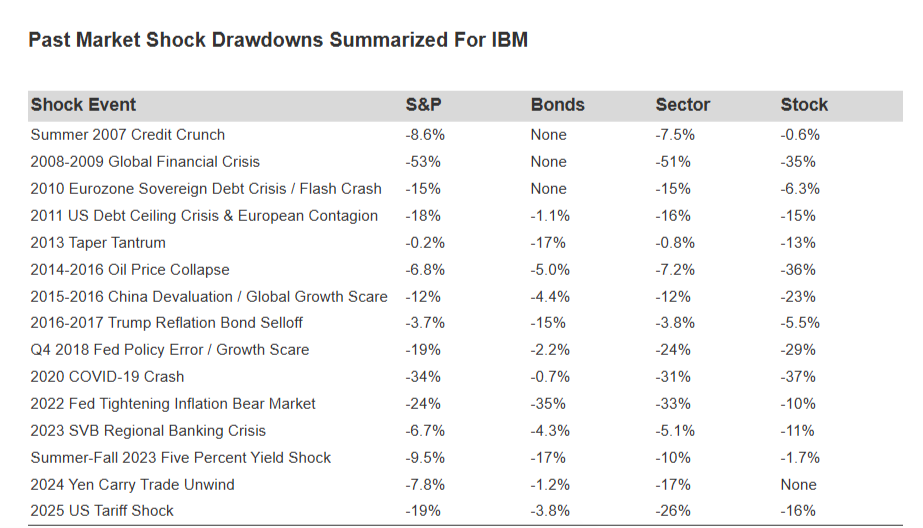
More than fifteen significant market upheavals have played out in robustness; nonetheless, IBM has been negatively contracting on average -16 % which is equivalent to the S&P 500.
This is indicative of the fact that the company is moving in the same direction as the general market performance in distress.
However, more drastic slumps like the COVID-19 crisis that caused a 37% decrease versus 34% decrease in the case of the S&P, the oil price nosedive that induced a 36% decrease versus 6.8% fall in the instance of the benchmark and the 2008 financial crisis.
This caused a 35% deduction compared to 53% fall in the case of the S&P, showing IBM held up better than the index in that crash, even as demand shrinkage and AI competitors weigh on it.
Recent AI Jolt
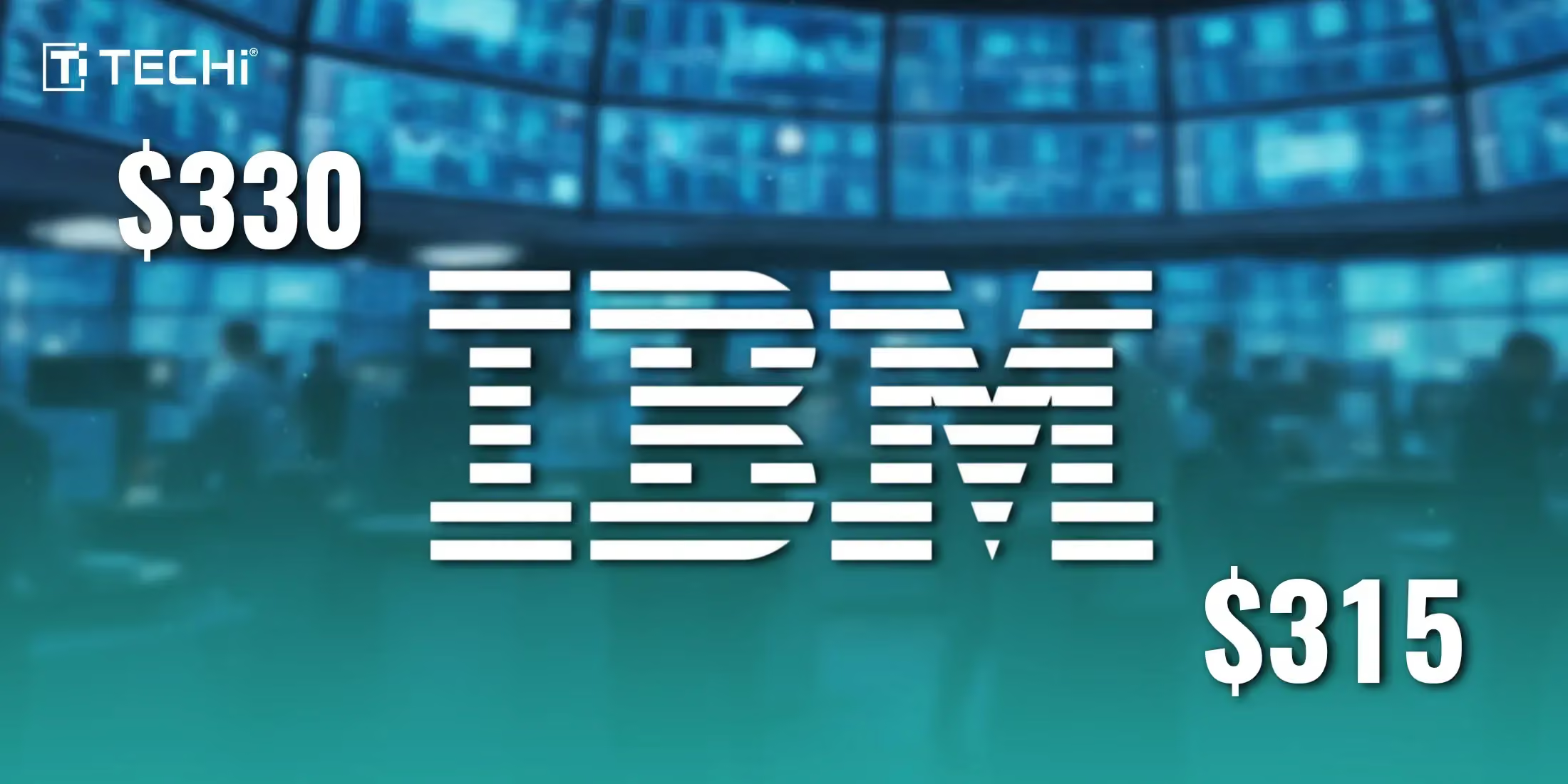
In February, one negative incident led to a 13% decline in one trading day, its largest loss in the last 25 years after the introduction of Anthropic's Claude Code which posed a competitive threat to the IBM offerings in the mainframe service business.
IBM reported adjusted earnings per share of $4.52, which was $0.23 higher than the analyst estimate of $4.29. Revenue exceeded the consensus estimate of $19.22 billion, rising 12% Y-o-Y (9% at constant currency) to $19.7 billion.
As of right now, the company's generative AI book of business is worth over $12.5 billion.
IBM chairman, president and chief executive officer Arvind Krishna said:
"In the fourth quarter, we delivered strong revenue growth, with double-digit Software performance. Additionally, Infrastructure continued its double-digit revenue growth with the robust adoption of the next generation of our mainframe platform,"
Outlook Ahead
IBM's strategic focus on the Watsonx platform and hybrid cloud architecture puts the company in a position to benefit from AI advancements without being impacted by them.
The stability it provides because of its core mainframe ecosystem and 3% dividend yield will act as a buffer, even though the short-term declines in demand may be painful.
The February sell-off showed how fast investors re-rate legacy IT names once a cheaper code-modernisation path appears.
As a result, IBM will be more resilient in an AI-enabled market contraction than pure disruptors, which are likely to grow stronger before the next economic boom occurs. This viewpoint is in line with current market-level thinking.
Disclaimer
This article is for informational purposes only and does not constitute financial, investment, tax, or legal advice. Market data, tax rules, and prices can change after the article date. TECHi and its authors may hold positions in securities or digital assets mentioned. Always conduct your own research and consult a licensed financial, tax, or legal professional before making decisions.
About the Author

Warisha Rashid covers AI stocks and crypto markets for TECHi. Recent work explains what changed when Worldcoin cut its WLD token unlock, how AMD's rack-scale Helios design fits an asset-light strategy, and how Nvidia, Alphabet, Palantir, AMD and Broadcom compare as AI businesses.


Comments