



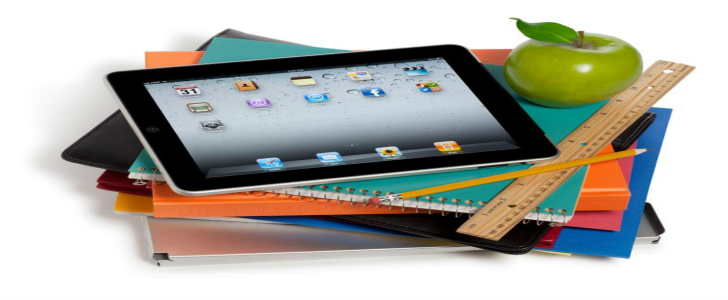
The early 1920s were the years of the one-room schoolhouse. A few years later, in 1923, classrooms began incorporating radios into their lessons. By 1933, 52 percent of schools were using silent films, while three percent were already using films with sound. In 1939, the first TV was used in a classroom. During the 1950s and 60s, headphones and chalkboards began to be used in classrooms. In 1964, BASIC was developed to give students an easy-to-learn programming language. Then, in 1967, the handheld calculator was developed by Texas Instruments. In 1972, Scantrons were first used to automatically grade multiple choice tests. In 1984, the Apple Macintosh was introduced. By this time, the ratio of computers to students was 1-92, and in 1988, the first laptop computers were introduced. By 1990, CD-ROMs had become a predominant form of computer storage. SMART boards were introduced into schools in 1991, and by 2002, 99 percent of public schools in the US had internet access. One and a half million iPads were used by US schools in 2012, and in 2013, 90 percent of students under the age of 18 have access to mobile technology. Check out the infographic below presented by masterofartsinteaching.net to learn more about how technology has evolved over the years in schools. Image source: www.masterofartsinteaching.net
About the Author

Brian Wallace is the President of NowSourcing, Inc., a premier social media firm specializing in infographic design, development, and content marketing promotion. The company is based in Louisville, KY, and works with companies that range from small businesses to Fortune 500.




Comments