


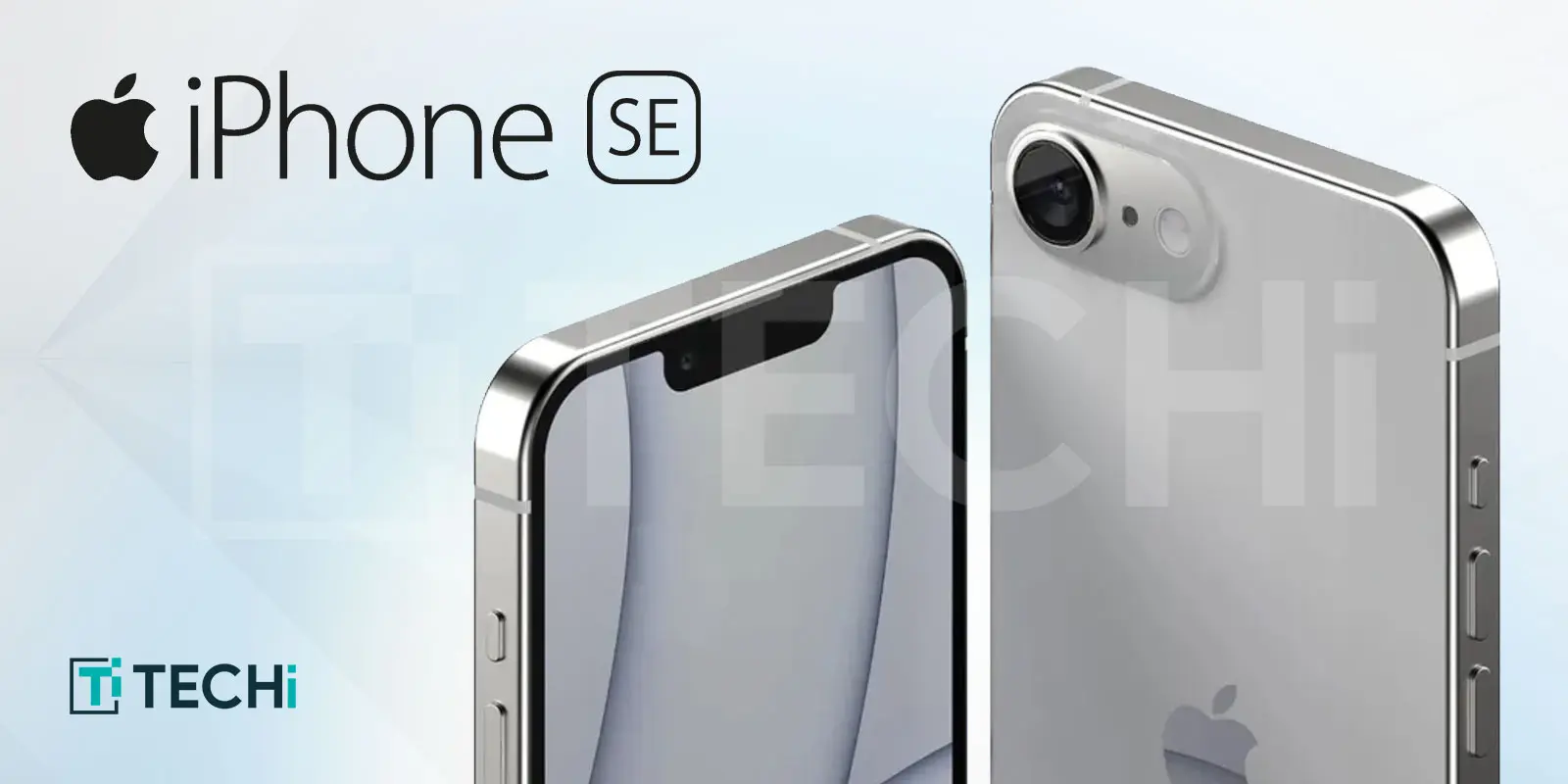
Apple’s next SE might be just a few days away, ahead of it being on sale later in February. However, the new phone has already appeared through photos and videos. Techradar says, Apple’s inventory of the current iPhone SE has started running down, which is also an indication of imminent launch.
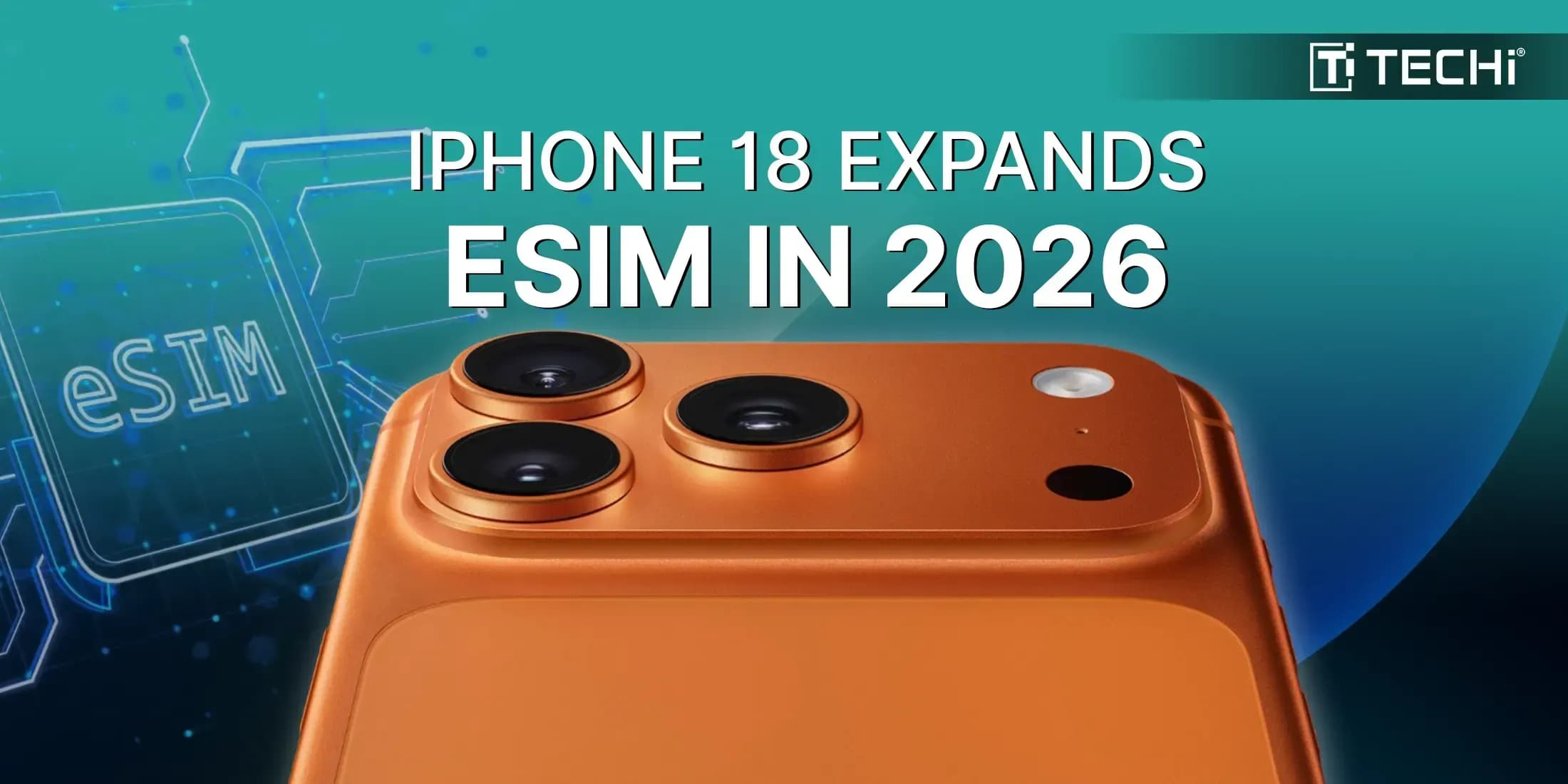
The next iPhone SE is expected to be the same as iPhone 14 in terms of visual representation and will have an A18 chip, which will help the AI features to run smoothly, according to Bloomberg. This new phone will be Apple’s first in-house cellular modem. And it's easy to get a USB-C port, which theoretically means Apple can sell that iPhone again in the EU.
That description typically comes up with the photos and video of iPhone from leaker Majin Bu. Based on those leaks, this phone will only have one camera on the back.
According to Bloomberg, the price of the iPhone SE will be roughly around $500. This is how it will make it more expensive than the iPhone SE of 2022 which was $429.
Apple didn’t respond to that comment even on request. Bloomberg says the company might not have a revealing event and they will launch it through their website.
This year, Apple is also rumoured to reveal the thin IPhone that may be known as “IPhone 17 Air,” and Bloomberg says that IPhone 17 & IPhone 17 Pro will get the best updates.
Read More: OpenAI Joins the Super Bowl Ad League: Tough competition to tech giants
Disclaimer
This article is for informational purposes only and does not constitute financial, investment, tax, or legal advice. Market data, tax rules, and prices can change after the article date. TECHi and its authors may hold positions in securities or digital assets mentioned. Always conduct your own research and consult a licensed financial, tax, or legal professional before making decisions.
About the Author

Ayesha Riaz writes about the software teams use to build and ship AI. Her recent articles cover Harness putting AI releases under a single change record and Cline's CLI dropping bundled AI providers to shrink its install size; earlier pieces looked at DeepSeek's jailbreak risk and renewable-energy stocks.
Comments