



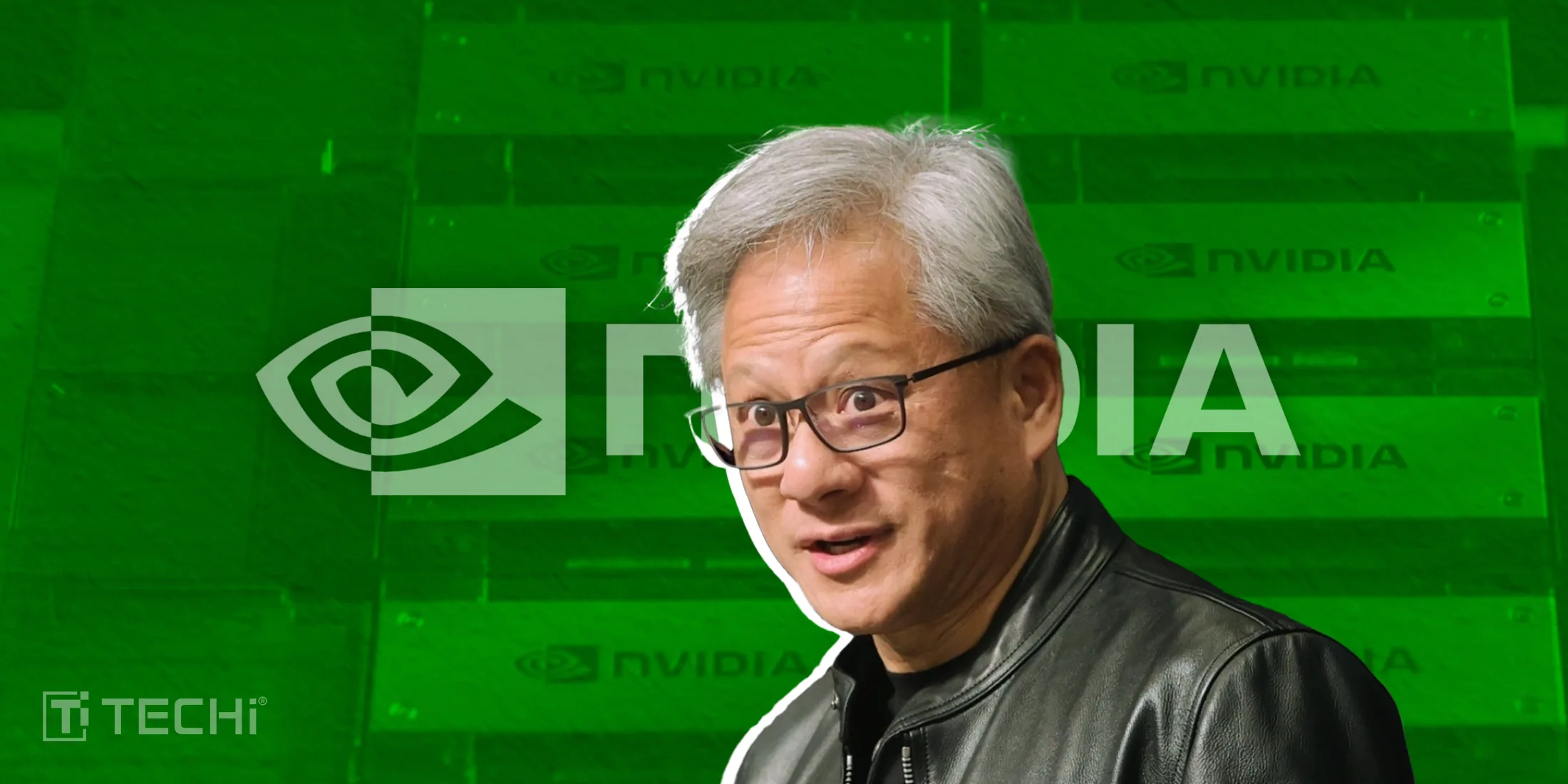
On December 3, 2025, Nvidia Chief Executive Jensen Huang expressed caution that the Chinese market might not accept the company’s H200 artificial-intelligence chips even if the U.S. allowed such exports.
Speaking to reporters, Huang highlighted the geopolitical and commercial challenges facing the company, which is the leading manufacturer of AI processors in the world.
When he was asked whether authorities in Beijing would allow Chinese companies to buy the H200, Huang expressed uncertainty.
“We don’t know. We have no clue,”
Huang said
as he headed into a closed-door meeting with members of the Senate Banking Committee, which has jurisdiction over export controls. “We can’t degrade chips that we sell to China, they won’t accept that.”
Present Context
As of 2022, the U.S. export restrictions have limited the ability of Nvidia to sell its most advanced AI processors to China, a measure intended to limit the capital and technological growth of the People’s Republic of China.
Though the firm was granted the right to ship a watered-down H20 chip in the summer of 2025, Chinese native buyers have shunned the product in favor of a domestic version.
The H200 that was launched last year has a design to support training and inference workloads, but remains banned on the Chinese market under existing laws.
Huang’s Uncertain Viewpoint
Huang emphasized that selling Chinese consumers a lower-performance version of the H200 would probably not be viable, as they will not accept such a version of the product, which is also a complicating factor that has a significant impact on the consent of the U.S. exports.
U.S. President Donald Trump said in an interview, after speaking with Chinese President Xi Jinping, that Washington will
"let them deal with Nvidia but not in terms of the most advanced chips".
Commercial Interest and Biasness
China formed a potential market estimated at around $50 billion to Nvidia in recent months; however, data-center revenue from the region is still excluded from company forecasts because of the ongoing restrictions.
More recent lobbying efforts on the part of Nvidia have scored concrete outcomes, such as the removal of a provision in the proposed GAIN AI Act that would have limited the export of chips into China and thereby revise crucial defense laws.
Prospects Ahead
The hypothetical approval of H200 exports sits at a nexus of the larger US China technological competitiveness.
Researchers and analysts of the industry indicate that implementing deregulation would probably accelerate Chinese advances in the field of artificial intelligence and, at the same time, to promote the global AI ecosystem by enabling transnational innovation.
The final decision belongs, as Commerce Secretary Howard Lutnick observed, to the sitting President, who has met repeatedly with Jensen Huang while the export question has been weighed.
The decision to authorise sales of Nvidia's H200 AI chips to China is on Trump's desk, according to the report.
"That kind of decision sits right on the desk of Donald Trump,"
He will decide whether we go forward with that or not."
Finally, the future of Nvidia in the Chinese market will be reliant on managing the conflict between business interests and the national security requirements in the rapidly changing global AI market space.
Disclaimer
This article is for informational purposes only and does not constitute financial, investment, tax, or legal advice. Market data, tax rules, and prices can change after the article date. TECHi and its authors may hold positions in securities or digital assets mentioned. Always conduct your own research and consult a licensed financial, tax, or legal professional before making decisions.
About the Author

Layloma Rashid writes about AI platforms and the companies selling them, from OpenAI's new teen alert on ChatGPT and GPT-5.6's arrival on Amazon Bedrock to C3.ai's enterprise AI earnings. She also follows chip policy for TECHi, including how many Nvidia H200s are shipping to China.
Comments