


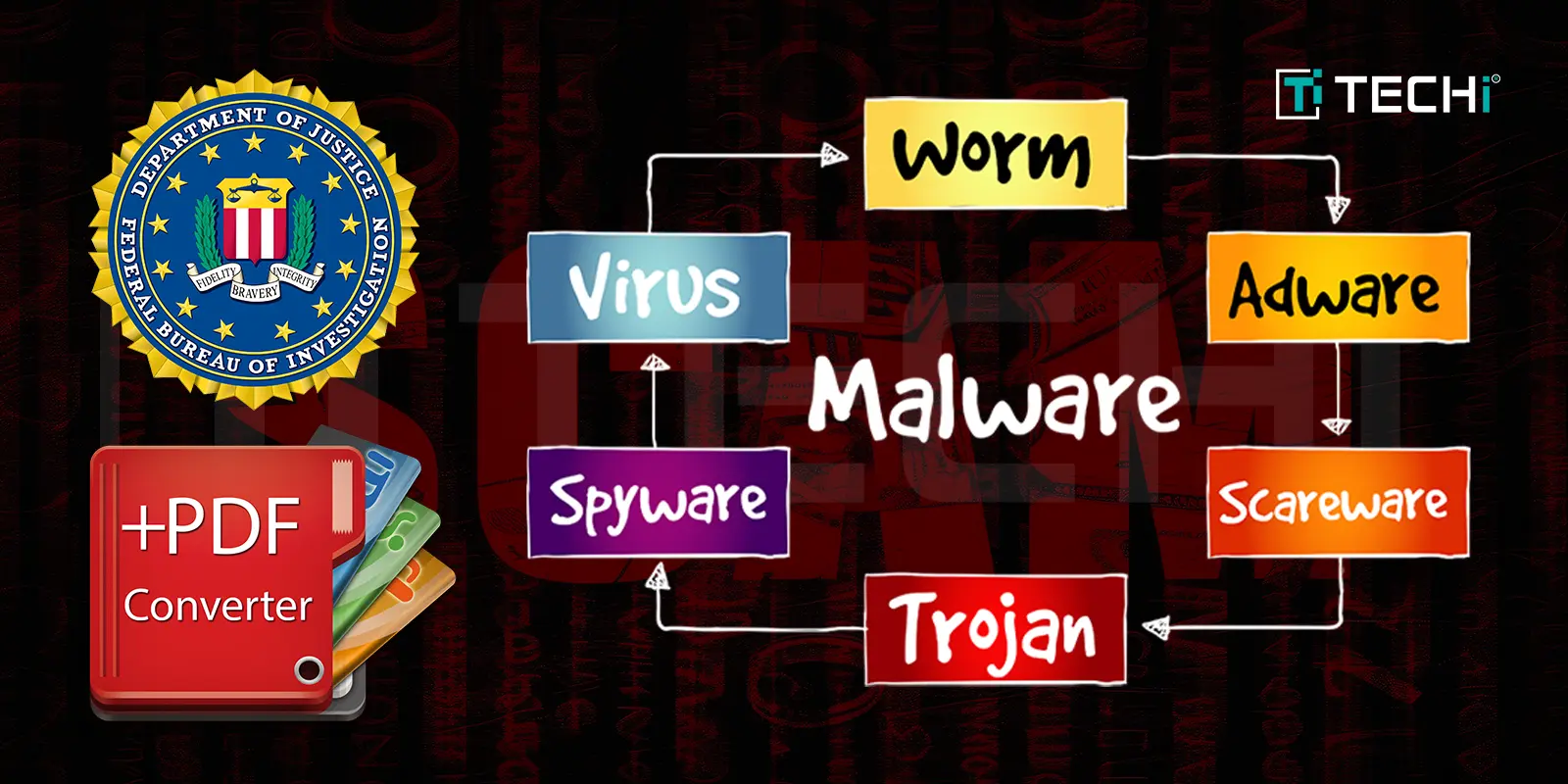
Hackers are using free document converters to spread malware including ransomware. The FBI has warned. According to a March 7 report from the FBI’s Denver office, agents have seen a rise in these scams being used worldwide.
How This Scam Works
Cybercriminals disguise malware as free tools that claim to convert files such as turning .doc into .pdf or merging images into a single document. Some even promise MP3 or MP4 downloads. While these tools may seem to work, they secretly install harmful software that gives hackers access to the victim’s computer.
Once installed, the malware can:
- Download additional harmful programs.
- Steal files uploaded for conversion.
- Extract personal information like birth dates, Social Security numbers, and phone numbers for identity theft.
- Collect banking details, cryptocurrency wallet credentials, email addresses, and passwords for fraud.
How to Stay Safe
To avoid falling victim to this scam:
- Download software only from trusted websites linked to well-known companies.
- Avoid clicking on ads, downloading from unknown forums, or trusting social media offers that seem too good to be true.
- Keep antivirus software updated and scan files before opening them.
- Use built-in tools instead of online converters. “Most word processors offer a built-in ‘export to pdf’ function.”
- Avoiding a malware-filled download comes down to taking basic cybersecurity precautions.
What to Do If Your Computer Is Infected
If you suspect your device is infected with ransomware, you may see a message saying it’s locked or notice unusual financial transactions. If this happens:
- Report fraudulent transactions to your bank immediately; they may freeze your account to prevent further damage.
- Use another secure device to change passwords for important accounts.
- Report online crimes at IC3.gov.
- Take your computer to a professional repair service that specializes in removing malware.
Stay Alert
Cybercriminals constantly evolve their tactics. Free document converters may seem helpful, but they can be a trap. Always prioritize security by using trusted tools and keeping your devices protected.
Disclaimer
This article is for informational purposes only and does not constitute financial, investment, tax, or legal advice. Market data, tax rules, and prices can change after the article date. TECHi and its authors may hold positions in securities or digital assets mentioned. Always conduct your own research and consult a licensed financial, tax, or legal professional before making decisions.
About the Author

Rabia Tayyab is a technical writer at TECHi who specializes in simplifying complex topics and delivering accessible content. She balances precision and creativity to meet the needs of both technical and general audiences.





Comments