



- CatalystCisco reports Q3 FY26 after the close on Wednesday, with the stock entering the print at a record $98.72 (+2.23% intraday).
- Guidance vs StreetCompany-guided Q3 revenue of $15.4-$15.6B and EPS of $1.02-$1.04 sits above the initial Street near $15.2B / $0.95.
- AI orders rampFY26 AI infrastructure order outlook raised to >$5B after $2.1B booked in Q2 alone; ~$3B converts to hyperscaler revenue this fiscal year. Forecast excludes Silicon One G300 and P200.
- Splunk attach500 new logos in H1 FY26, on pace for 1,000 by year-end; Splunk ARR and product RPO up double digits, partially offset by the cloud-subscription accounting drag into H2.
Cisco Systems (NASDAQ: CSCO) reports its third quarter of fiscal 2026 after the close on Wednesday. Management has guided the quarter to revenue of $15.4 billion to $15.6 billion and adjusted EPS of $1.02 to $1.04 — both bands above the initial Street consensus that anchored near $15.2 billion and $0.95.
The print arrives with CSCO at a record close of $98.72, up 2.23 percent intraday, and volume above the trailing three-month average through the run-up. That combination is the more telling signal heading into Wednesday: a wide-tape, institutional bid rather than a thin retail chase. The setup means investors are already pricing in a beat — so the reaction is less about the headline number and more about whether three subsystems confirm the thesis: AI infrastructure order growth, the Splunk attach motion, and gross margin under memory-cost pressure.
What guidance signals about AI orders
AI infrastructure orders hit $2.1 billion in Q2 FY26, up from $1.3 billion in Q1 and matching the entire FY 2025 total. Management responded by raising the FY26 AI order outlook to more than $5 billion, with roughly $3 billion expected to convert into hyperscaler revenue this fiscal year. Translated into mechanics: every dollar of bookings here arrives at high incremental gross margin because the underlying systems and optics are Cisco's own silicon (Silicon One) rather than reseller hardware.
Mix matters: orders ran roughly 60 percent systems and 40 percent optics in Q2. The $5 billion forecast also excludes Cisco's newest hardware — the Silicon One G300 (102.4 Tbps switching) and the P200 family of deep-buffer routing processors — meaning the bull case for FY27 is built on a product cycle the current guide does not even credit.
On the call, watch two specific data points: the dollar value of new AI orders booked in Q3, and the hyperscaler customer count behind the $3 billion revenue conversion. Both read directly against the $5 billion FY26 target. Customer concentration is the largest single risk inside that conversion math — if three buyers account for the bulk of the $3 billion, any one delaying capex resets the entire ramp. The same hyperscaler capex story is already pulling memory suppliers into a record pricing cycle, and Cisco's switching and optics roadmap puts it on the same demand curve.
Splunk synergy versus the cloud transition drag
Splunk is roughly two years post-close as a Cisco asset, long enough that integration friction should now be visible in headline numbers. The scorecard is mixed in a way that should resolve over the next few prints: Splunk added 500 new logos in the first half of FY26 and is on pace for 1,000 by year-end, Splunk ARR and product RPO grew double digits, and Q1 booked one of Splunk's largest deals ever via joint Cisco-Splunk sales motions.
The mechanical drag is the cloud transition. Splunk's continued shift to cloud subscription accounting compresses reported revenue growth in the near term because ratable cloud revenue lands lower in-period than the on-prem licenses it replaces — bookings grow but reported revenue grows slower. The Q3 read is whether customer-count momentum is strong enough to offset the accounting transition on the print, not whether the underlying franchise is healthy.
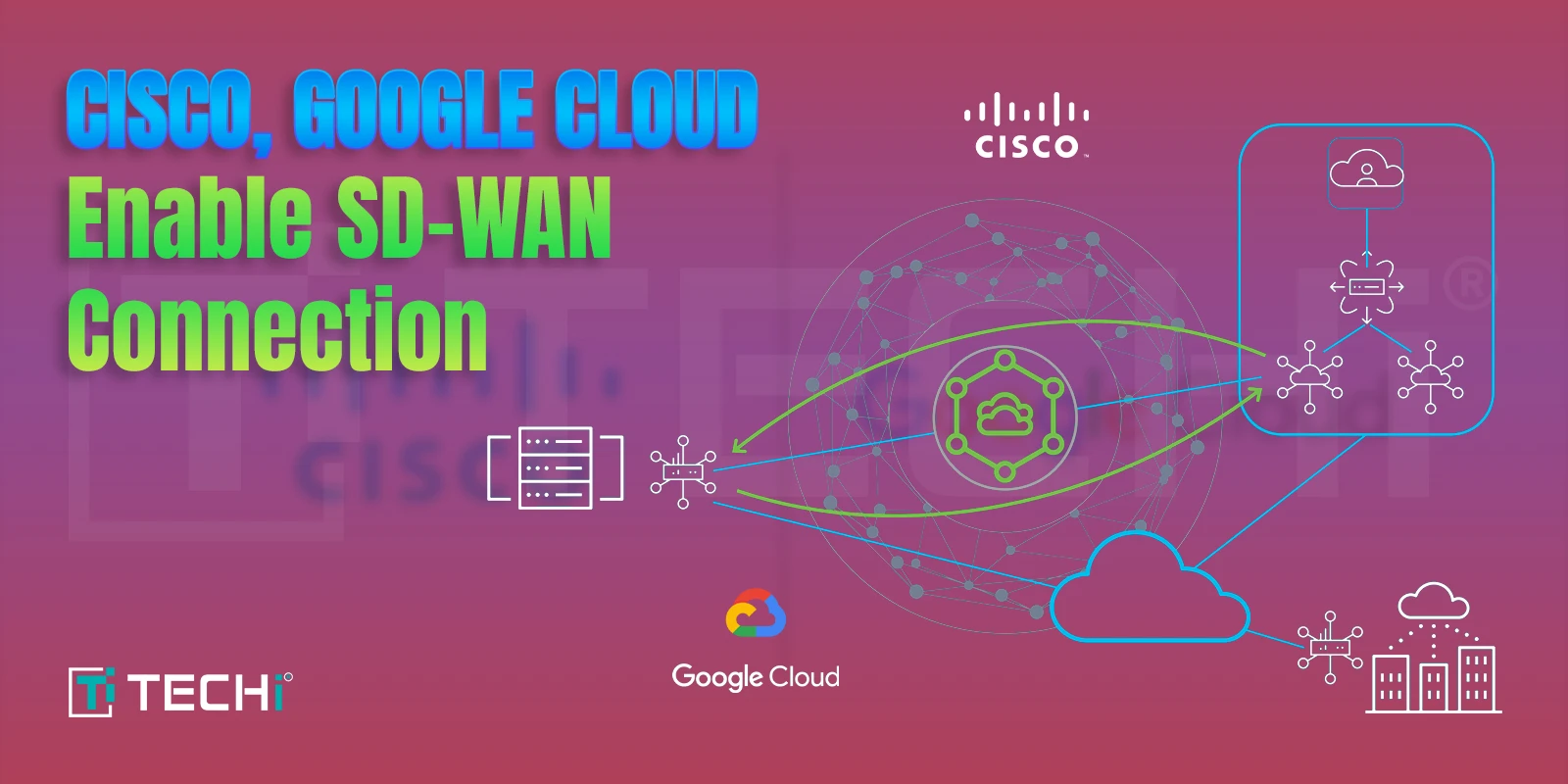
Watch for Splunk attach commentary: every enterprise renewal Cisco signs is an opportunity to bolt Splunk observability into the deal, and management has tied future security-segment growth to that motion. The combined Cisco-Splunk security portfolio added 750 new customers in Q2 across Secure Access, XDR, Hypershield, and AI Defense — bundles that can ride existing enterprise relationships like the Cisco-Google Cloud SD-WAN integration into renewal cycles. The unit economics point one way: a Splunk attach onto a refresh-cycle renewal lifts customer-lifetime value materially versus the networking-only renewal.
Margins, memory costs, and the Splunk mix shift
The strong order print does not automatically translate into expanding margins. Management telegraphed two pressures last quarter: rising memory component costs feeding through Cisco's product cost structure, and Splunk's cloud-subscription mix carrying lower in-period revenue recognition than the on-prem business it is replacing.
Q3 gross margin is the cleanest read on whether those pressures are temporary or structural. A print at the high end of guidance with stable non-GAAP gross margin in the 67-68 percent corridor confirms Cisco can deliver on the AI order ramp without sacrificing profitability. A miss inside the revenue band with weaker gross margin tells a different story about how memory inflation and the Splunk transition are flowing through the income statement — and that combination is what would compress the multiple.
Recurring revenue and the ARR base
Total annualized recurring revenue ended Q2 FY26 at $31 billion, up 3 percent year-over-year, with product ARR growing 6 percent. That base supports Cisco's transition from a hardware refresh cycle to a software-and-services platform — and is what makes the Splunk integration so load-bearing for the long-term thesis. ARR growth at high single digits versus the segment's mid-single-digit revenue growth implies a duration extension that should eventually show up in the multiple.
On Wednesday's call, look for the new ARR figure, the breakdown between product and subscription ARR, and any commentary on AI-attached recurring revenue. Cisco has not yet broken out an "AI ARR" line item, but order-conversion math suggests one is coming. The planned multi-party AI data centers Cisco is participating in — alongside Nvidia, OpenAI, and Oracle — are the kind of multi-quarter commitments that eventually become recurring revenue, not one-off product sales.
What to watch
Three checkpoints decide whether Wednesday's print extends the rally or trims it back:
- AI orders in the quarter — is the $2.1 billion Q2 run rate sustained, accelerated, or paused? A flat-to-down print would force the FY26 $5 billion guide down.
- Splunk metrics — new logos, ARR growth, and explicit commentary on the cloud-mix drag through the second half. The bull case requires logo count >250 in Q3.
- Gross margin — stable in the 67-68 percent corridor against the memory-cost backdrop, or compressed. A 100-bp slip is the line between a re-rate and a sell-the-news.
Editor's risk note: Editorial analysis, not investment advice. Earnings reactions depend on guidance updates that are not knowable in advance, and memory-cost and software-mix dynamics can change the gross-margin picture quickly. Verify current quotes and consult a qualified advisor before trading.
FAQ
Frequently asked questions
When does Cisco report Q3 FY26 earnings?
Cisco reports third-quarter fiscal 2026 results after the close on Wednesday, May 13, 2026. The earnings conference call is scheduled for 4:30 PM ET.
What is Cisco's Q3 FY26 revenue and EPS guidance?
Management guided Q3 FY26 revenue to a range of $15.4 billion to $15.6 billion and adjusted EPS of $1.02 to $1.04. Both bands were above the initial Street consensus near $15.2 billion and $0.95.
How large are Cisco's AI infrastructure orders in FY26?
Cisco raised its FY26 AI infrastructure order outlook to over $5 billion after Q2 alone booked $2.1 billion in AI orders. Roughly $3 billion of that order book is expected to convert into hyperscaler revenue during the current fiscal year.
What is the Splunk integration status at Cisco?
Splunk closed in March 2024 and is roughly two years post-close as of May 2026. Splunk added 500 new logos in H1 FY26 and is on pace for 1,000 by year-end, with ARR and product RPO both growing double digits. The continuing shift to cloud subscriptions remains a near-term reported-revenue drag.
What is the analyst price target for CSCO?
Wall Street 12-month price targets cluster around $99, with a high of $110 from Evercore ISI. Cisco closed at $96.57 on May 8, 2026, then rallied roughly 4.8 percent on Monday, May 11, to lead the Dow's blue-chip gainers.
Disclaimer
This article is for informational purposes only and does not constitute financial, investment, tax, or legal advice. Market data, tax rules, and prices can change after the article date. TECHi and its authors may hold positions in securities or digital assets mentioned. Always conduct your own research and consult a licensed financial, tax, or legal professional before making decisions.
About the Author

Muhammad Zeshan Sarwar is Editor-in-Chief of TECHi. His reporting follows balance sheets and blockchains: Oracle's $664 billion backlog and the stock sale that funds it, where Amazon's quarterly profit actually came from, NRG's PJM capacity revenue and the Zcash NU7 vote on future coin issuance.


Comments