


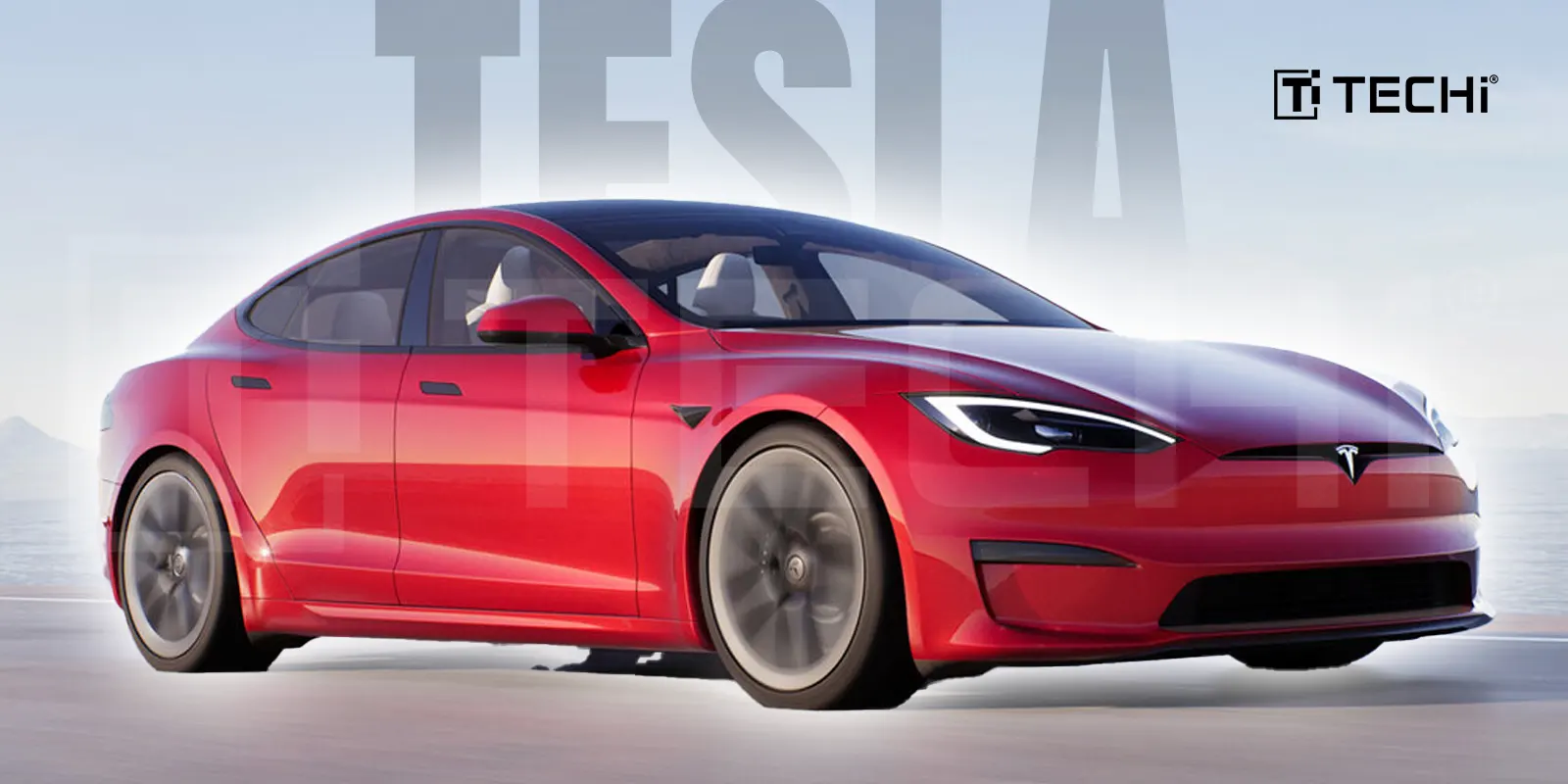
For three years, the "Tesla Model 2" was the most anticipated car Tesla never confirmed: a $25,000 electric crossover that would do for the mass market what the Model 3 did for the premium one. That car, as it was originally pitched, is not coming. Tesla shelved the dedicated $25,000 program — internally codenamed Project Redwood — back in 2024 and pointed the next-generation platform at its Robotaxi instead. What’s left is a messier, more interesting story about how cheap a Tesla can actually get.
Here is the honest 2026 picture: there is no $25,000 Tesla on a price list, the federal tax credit that made every "$17,500 Tesla" headline work has been repealed, and Tesla’s real "most affordable" cars cost closer to $37,000. A genuinely cheaper model is still in the pipeline — just not the one the rumor mill spent years describing.
If you landed here searching for a Model 2 release date or a pre-order link, the useful answer is to recalibrate. Below is what Tesla actually did, what it is reportedly building now, and what the cheapest EVs you can buy today really cost.
- Program shelvedTesla scrapped the dedicated $25,000 "Model 2" (Project Redwood) in 2024 and redirected the next-generation platform to its Robotaxi and Cybercab.
- No $7,500 creditThe federal EV tax credit ended for vehicles bought after September 30, 2025, so the old "$17,500 after incentives" math no longer applies.
- The real cheap TeslasTesla’s most affordable cars today are the Model 3 Standard at $36,990 and the Model Y Standard at $39,990, both unveiled in October 2025 — not a sub-$30,000 car.
- What is actually nextReuters reports a new, smaller Tesla SUV planned for Giga Shanghai, priced "substantially below" the Model 3, but production is unlikely before 2027.
- Specs are rumorThe widely cited 53 kWh LFP battery and ~250-mile range are analyst estimates, not Tesla figures — no such vehicle has an EPA rating.
Tesla Model 2 at a Glance
- Is the $25,000 "Model 2" happening? No — the dedicated Project Redwood program was shelved in 2024 and the platform was redirected to the Robotaxi/Cybercab.
- Official name: None. Tesla only ever called it the "next-generation vehicle platform."
- Media names: "Model 2" and "Model Q" — neither is a Tesla name.
- Cheapest Tesla you can buy now: Model 3 Standard at $36,990; Model Y Standard at $39,990.
- Next cheaper EV reportedly coming: an all-new compact SUV at Giga Shanghai, priced "substantially below" the Model 3.
- Likely timing: reportedly not before 2027; no confirmed date or price.
- Federal $7,500 EV tax credit: ended for vehicles bought after September 30, 2025.
What Happened to the $25,000 Tesla?
Search for Tesla’s affordable EV and you will hit three names, none of them official. "Model 2" is the media’s shorthand, borrowed from the existing Model S/3/X/Y lineup. "Model Q" came from a December 2024 Deutsche Bank research note that floated a sub-$30,000 Tesla (with subsidies) for 2025. "Project Redwood" was the internal codename used by Tesla employees and suppliers. Tesla itself has only ever said "next-generation vehicle platform."
The reason the names never resolved is that the product never did. In April 2024, Reuters reported Tesla had killed the $25,000 car to prioritize the Robotaxi. Elon Musk disputed the framing at the time, then later called a $25,000 human-driven EV "pointless," arguing the future was autonomy. The platform that was supposed to underpin the Model 2 became the foundation for the two-seat Cybercab instead. That is the gap most "Model 2 specs" pages still ignore, and it is the core of Tesla’s affordable-model problem: the company spent its cheap-car engineering on a vehicle you can’t drive yourself.
So when you read confident claims about pilot Model 2 units rolling out of Giga Texas or fleet deliveries already underway, treat them with heavy skepticism. There is no credible reporting of a "Model 2" in production anywhere. The vehicle remains a concept the internet has specced out far more precisely than Tesla ever has.
The Unboxed Process: The Manufacturing Bet Behind a Cheap Tesla
The reason a $25,000 Tesla seemed plausible at all is a manufacturing change Tesla calls the Unboxed Process, first shown at its March 2023 Investor Day. Instead of building a car sequentially down one line, Tesla splits it into separate sub-assemblies — front, rear, floor-and-battery, sides — built in parallel and bolted together near the end. Robots can reach the interior before the body is closed up, which speeds the fiddly work of wiring, seats, and dashboards.
Tesla’s pitch was aggressive: roughly 50% lower cost of production for the next-generation vehicle and about a 40% smaller factory footprint, partly by eliminating the traditional full-body paint shop. If those savings ever land at scale, they are what make a sub-$30,000 Tesla mathematically possible while still earning a margin.
The catch is that the Unboxed Process is now most associated with the Cybercab, not a consumer Model 2. The cost breakthrough is real engineering; the cheap car it was supposed to enable is the part that got redirected.
What Would a $25,000 Tesla Actually Cost Now?
Here is the change that quietly broke every old Model 2 affordability calculation: the federal EV tax credit is gone. The 2025 budget law (the "One Big Beautiful Bill") ended the $7,500 new-clean-vehicle credit — along with the $4,000 used-EV credit — for vehicles acquired after September 30, 2025. Every "$17,500 after incentives" headline you have seen for this car was written when that credit still existed. In 2026, there is no federal purchase credit to subtract, regardless of where a vehicle is assembled.
That matters because Tesla’s actual "most affordable" answer arrived in October 2025, and it was not a $25,000 car. Tesla unveiled stripped-down Standard trims of its existing vehicles: the Model 3 Standard at $36,990 and the Model Y Standard at $39,990, both rear-wheel-drive single-motor cars with features removed (no Autosteer, no AM/FM radio, simpler interiors). They are the cheapest Teslas you can buy — but they sit far above the mythical $25,000 line, and there is no longer a credit to close the gap. For the SUV comparison, the Model Y Standard slots just under the AWD variant in Tesla’s own lineup.
Against the broader affordable-EV field, the picture looks like this:
- Tesla Model 3 Standard — $36,990, 321 mi EPA. Tesla’s cheapest car (RWD, features stripped).
- Tesla Model Y Standard — $39,990. The cheapest Tesla SUV (RWD).
- Chevrolet Equinox EV LT1 — $34,995, 319 mi EPA. The closest US price-to-range rival.
- Nissan Leaf S+ (all-new 2026) — $29,990, up to 303 mi EPA. A redesigned compact crossover with a native NACS port.
- Rumored Tesla "Model 2" — n/a. The $25,000 target was abandoned in 2024.
- BYD Seagull (China only) — about $10,300–$14,400, ~405 km CLTC. Not US-sold; roughly $26K–$27K if tariffed.
That last comparison shifts the math: the Nissan Leaf is no longer the 149-mile compromise car it used to be. The all-new 2026 Leaf is a compact crossover starting near $30,000 with up to 303 miles of range — which means the most credible "$30,000 EV" on the US market right now is not a Tesla at all.
Specs: What the Rumor Mill Says, and Why It Is Unconfirmed
Tesla has never published a spec sheet for a "Model 2," so every number you see is an estimate stitched together from analyst notes and supplier chatter. Treat the list below as rumor, not fact — there is no EPA-certified affordable Tesla crossover, and Tesla does not even disclose battery sizes for the cars it actually sells.
- Body style: compact crossover, smaller than Model Y.
- Battery (standard): ~53 kWh LFP (analyst estimate).
- Range: ~250 mi (unverified; no EPA rating exists).
- Battery (AWD, if offered): ~75 kWh (unconfirmed).
- Autonomy hardware: AI5 ("HW5"), Tesla’s next-generation FSD computer.
- FSD software: FSD v14.x (current branch v14.3) — a paid add-on.
- Manufacturing: Unboxed Process (parallel sub-assemblies).
One hardware point worth correcting: AI5, also called HW5, is Tesla’s next-generation Full Self-Driving computer, but it is not in mass production yet — Tesla is targeting late 2026, with the Cybercab expected to be the first vehicle to ship it. So "every Model 2 comes with HW5" is a forecast about a car that does not exist, not a current fact. The software itself is real and shipping: the current FSD branch is v14.3, and Full Self-Driving remains a subscription on top of the purchase price.
Timeline: From a 2023 Promise to a 2027 Shanghai SUV
The affordable-Tesla story is a string of moving targets. Here is the chronology that actually holds up:
- March 2023: Musk unveils the next-generation platform and the Unboxed Process at Investor Day, promising a car that costs roughly half as much to build as the Model 3.
- April 2024: Reuters reports Tesla scrapped the dedicated $25,000 program to prioritize the Robotaxi. The cheap-car platform is redirected to the Cybercab.
- December 2024: A Deutsche Bank note popularizes "Model Q," projecting a sub-$30,000 Tesla (with subsidies) for 2025 — a target Tesla never committed to.
- September 30, 2025: The $7,500 federal EV tax credit expires for new purchases, removing the incentive behind every "$17,500 Tesla" headline.
- October 2025: Instead of a $25,000 car, Tesla ships the Model 3 Standard ($36,990) and Model Y Standard ($39,990) as its "most affordable" vehicles.
- April 2026: Reuters reports Tesla is developing a new, smaller, cheaper SUV at Giga Shanghai, priced "substantially below" the Model 3, with production unlikely before 2027 and no confirmed price.
That last report is the closest thing to a real "next cheap Tesla." Notably, it points to Shanghai — not Texas or Berlin — and to a price merely below the Model 3, not to $25,000.
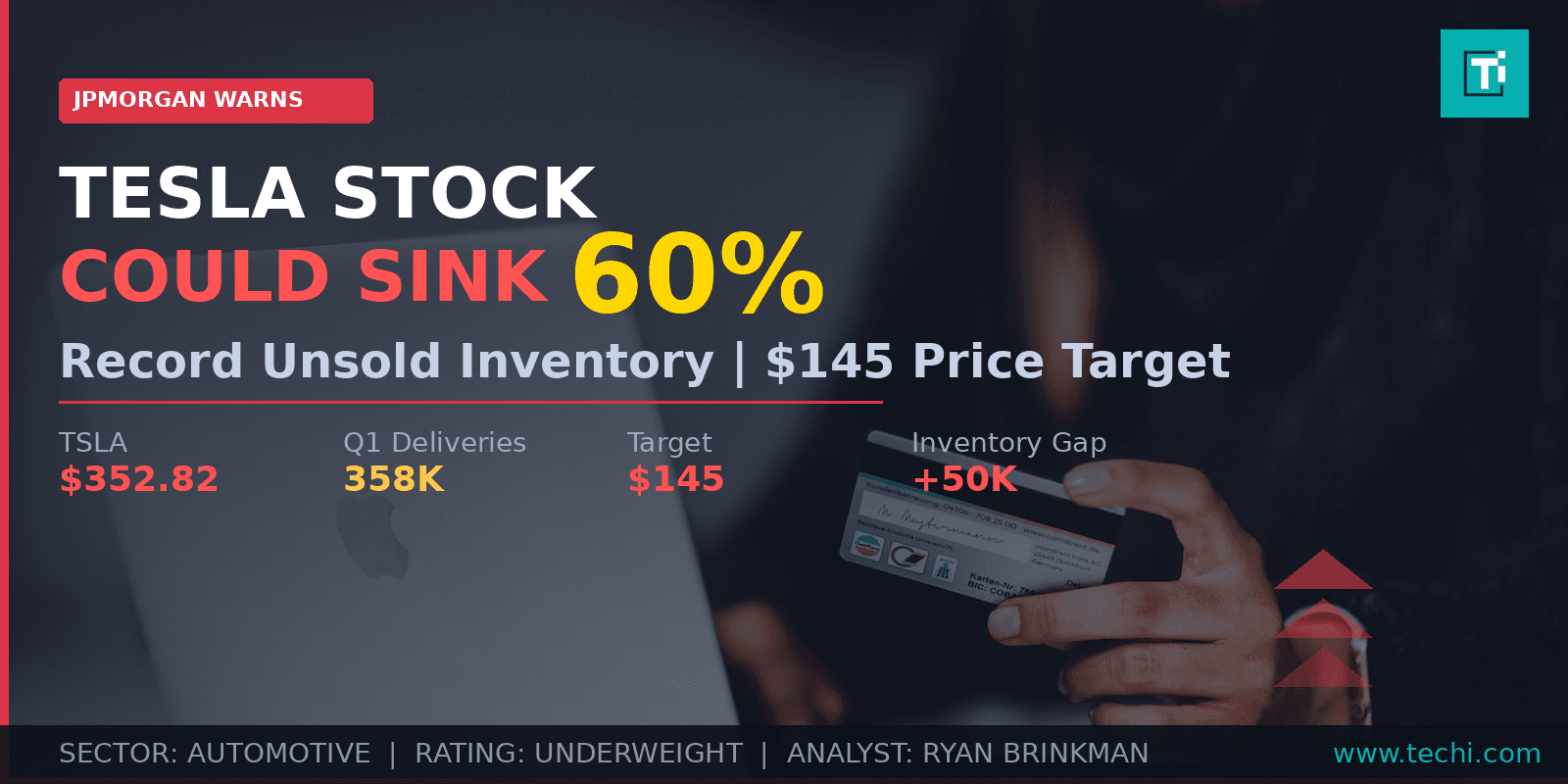
It is worth grounding all of this in Tesla’s actual results rather than the rumor stream. The company’s Q1 2026 report showed 358,023 deliveries against 408,386 produced — a roughly 50,000-unit inventory build and a miss versus the ~365,645 analysts expected. Of those, 341,893 were Model 3/Y; everything else (Cybertruck, Semi, refreshed S/X) fell into a single 16,130-unit "Other Models" line, which is exactly why no trustworthy standalone Cybertruck delivery figure exists. Q2 2026 numbers are not out yet — they are due in early July — though Goldman Sachs has modeled around 420,000 deliveries as a forecast, not a result.
How a Cheap Tesla Would Compete Now
The market a budget Tesla would enter looks nothing like the one the Model 2 was conceived for. Chevrolet’s Equinox EV starts at $34,995 with 319 miles of range, the strongest US price-to-range package among legacy options, and the redesigned Nissan Leaf undercuts both on price. And in 2025, BYD overtook Tesla as the world’s best-selling EV brand by volume — though at the single-model level, the Tesla Model Y was still the best-selling individual EV, and BYD’s Seagull family ranked around fifth.
BYD remains the structural threat Tesla cannot price against directly. The refreshed 2026 Seagull sells in China from roughly $10,300 to $14,400, but US buyers cannot get it near that price: tariffs on Chinese vehicles would push a hypothetical US Seagull to around $26,000–$27,000, and with the federal credit gone there is no offset for anyone. In Europe the squeeze is real and present: the Renault 5 E-Tech starts near €25,000 and the Volkswagen ID.3 Neo opens at about €34,000, so a Shanghai-built budget Tesla would land in an already-crowded, already-cheap segment.
What It Means for Tesla Stock
For investors, the affordable-vehicle question is less "when does the Model 2 launch" and more "can Tesla sell a genuinely cheaper car without wrecking margins — and does it even need to?" That tension sits at the center of the bull and bear cases for Tesla stock (TSLA), which you can track live on our TSLA quote page.
The autonomy camp argues the cheap-car delay is a feature, not a bug. Cathie Wood’s ARK Invest, in its $10 trillion robotaxi thesis, treats the redirected platform as the foundation for an autonomous ride-hailing fleet, where each vehicle earns far more over its life than a one-time $25,000 sale ever could. The skeptics counter that while Tesla waits on autonomy, its cheapest car costs $37,000, BYD and legacy rivals are undercutting it globally, and the lost US tax credit just made every EV pricier for buyers — a setup that has fed bearish calls like JPMorgan’s downside target.
Risks for Buyers and Investors
- There is no $25,000 Tesla to buy or pre-order. Any site offering a Model 2 reservation is not selling a real product.
- The tax credit is gone. Without the $7,500 federal credit (ended September 30, 2025), the cheapest real Tesla is about $37,000 before options — not the ~$17,500 figure that circulated for years.
- Specs are speculation. The 53 kWh / ~250-mile figures are analyst estimates with no Tesla or EPA backing; a shipping car could differ in every dimension, or not arrive at all.
- The timeline keeps slipping. Tesla has missed every informal target for an affordable model since 2023; the reported Shanghai SUV is "not before 2027," which historically means later.
- Cannibalization is real. A genuinely cheap Tesla would pull buyers from the $36,990 Model 3 Standard, which is part of why Tesla has been in no hurry to build one.
Should You Wait for a Cheaper Tesla?
If you need an EV now, waiting for a "Model 2" means waiting on a car Tesla has not confirmed, priced, or scheduled. The cheapest Tesla you can actually drive home is the Model 3 Standard at $36,990, and the most compelling sub-$35,000 EVs on the US market today wear Chevrolet and Nissan badges, not a Tesla one.
If your ceiling is genuinely $25,000, no current new EV — Tesla or otherwise — clears it on a US price list now that the federal credit is gone. The honest move is to shop the used market or the cheapest new EVs against your real budget, rather than holding out for a number Tesla has spent two years walking away from. If a sub-Model-3 Tesla does surface from Shanghai in 2027, it will be easy enough to judge then — against whatever BYD, Chevy, and Nissan are selling by then, not against a 2023 promise.
A note on this analysis: This article is for information only and is not investment or purchasing advice. Vehicle prices, specifications, tax rules, and timelines change frequently and vary by market — confirm current figures with Tesla and the IRS before making a buying or investment decision.
FAQ
Frequently asked questions
Is the Tesla Model 2 still happening?
Not as originally pitched. Tesla shelved its dedicated $25,000 "Model 2" program (codenamed Project Redwood) in 2024 and redirected the next-generation platform to its Robotaxi. As of 2026, Tesla is reportedly developing a different, smaller SUV at its Shanghai factory, but it has no confirmed price or release date and is unlikely to enter production before 2027.
How much does the cheapest Tesla cost in 2026?
Tesla’s most affordable car is the Model 3 Standard at $36,990, followed by the Model Y Standard at $39,990 — both unveiled in October 2025 with features stripped out to lower the price. There is no $25,000 Tesla, and the $7,500 federal EV tax credit ended for purchases after September 30, 2025, so no federal discount applies.
When is the Tesla Model 2 release date?
There is not one. Tesla has not announced a release date, opened pre-orders, or confirmed pricing for any sub-$30,000 vehicle. Reuters reported in 2026 that a new cheaper SUV is planned for Tesla’s Shanghai factory, but production is unlikely before 2027.
Did the $7,500 federal EV tax credit go away?
Yes. The 2025 budget law (the "One Big Beautiful Bill") ended the $7,500 new-clean-vehicle credit — and the $4,000 used-EV credit — for vehicles acquired after September 30, 2025. In 2026 there is no federal purchase credit for a new Tesla, regardless of where it is built.
Is it called Model 2 or Model Q?
Neither is official. Tesla only refers to the "next-generation vehicle platform." "Model 2" is media shorthand based on Tesla’s existing lineup, and "Model Q" was popularized by a December 2024 Deutsche Bank research note. Tesla has never used either name.
Should I buy a Model 3 now or wait for a cheaper Tesla?
If you need a car, the Model 3 Standard ($36,990, with 321 miles of range) is available now. Waiting means betting on an unconfirmed vehicle with no price or date; the reported Shanghai SUV is not expected before 2027. The strongest sub-$35,000 EVs on the US market today are the Chevrolet Equinox EV and the redesigned Nissan Leaf, not a Tesla.
What are the rumored Tesla Model 2 specs?
Commonly cited figures — a 53 kWh LFP battery and roughly 250 miles of range — are analyst estimates, not Tesla specifications, and no such vehicle has an EPA rating. Tesla has never published a spec sheet for a "Model 2," so every spec circulating online should be treated as speculation.
Disclaimer
This article is for informational purposes only and does not constitute financial, investment, tax, or legal advice. Market data, tax rules, and prices can change after the article date. TECHi and its authors may hold positions in securities or digital assets mentioned. Always conduct your own research and consult a licensed financial, tax, or legal professional before making decisions.
About the Author

Fatimah Misbah Hussain reports on the money behind AI and chips: Samsung raising foundry prices while losing share, Alphabet's first quarter of AI cash burn and the roughly $10 billion financing stack behind Korea's sovereign AI factory. US sanctions on crypto exchanges and X's new payouts for original posts are also part of her beat.



Comments