



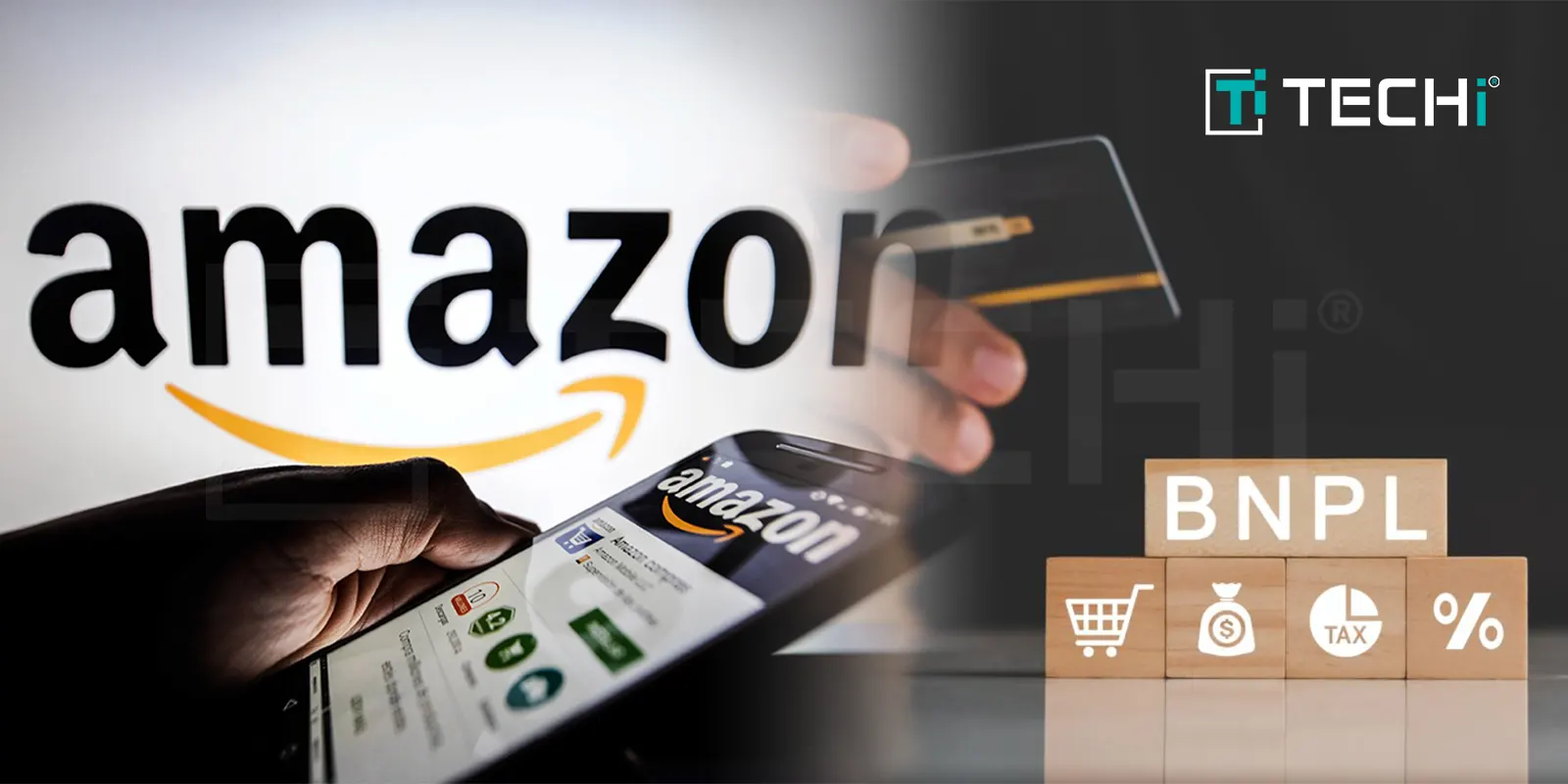
Before getting deeper into it, let me tell you what is Axio. Axio is a ‘buy now, pay later’ (BNPL) company.
It helps people not put their desired products on the wishlist and wait for the next month’s salary but actually buy and enjoy them and pay later with an easy instalment plan. Axio works with popular Indian brands and websites like Flipkart, Myntra, Zomato, and Amazon India.
Over the years, Axio has raised $232 million from Investors who provided loans over $260 million to its customer base.
But that’s what the Axio alone is.
Now the most exciting part is that Amazon has shaken hands with them.
Amazon is a large e-commerce giant itself. Why did they buy it for over $150 M?
Amazon wants to grow its financial services in India. By owning Axio, they can offer its Indian customers easy credit options which catch more eyeballs to Amazon itself.
They have an equity stake in Axio for 6 years, and they are building a successful partnership right now. They signed the full acquisition agreement in December 2024, though the deal still requires Reserve Bank of India approval before it can close.
Smart move? Of course.
The more shopaholics, the more money Amazon will make. Creating a win-win situation for both users and owners is crucial for businesses to understand to grow on a large scale. The opportunities and meaningful changes this transformation will make will be a treat to watch for everyone out there.
Disclaimer
This article is for informational purposes only and does not constitute financial, investment, tax, or legal advice. Market data, tax rules, and prices can change after the article date. TECHi and its authors may hold positions in securities or digital assets mentioned. Always conduct your own research and consult a licensed financial, tax, or legal professional before making decisions.
About the Author

Zoha Imdad Ali tracks AI labs and the compute they depend on, from Google DeepMind moving coding research to California to inference chips being pledged as loan collateral. Many of her stories ask what a company has not yet shown: a price for Google's Ironwood TPU, public evidence behind OpenAI's Astra risk rating, or proof that Akash's AKT token captures value from real compute.

Comments