



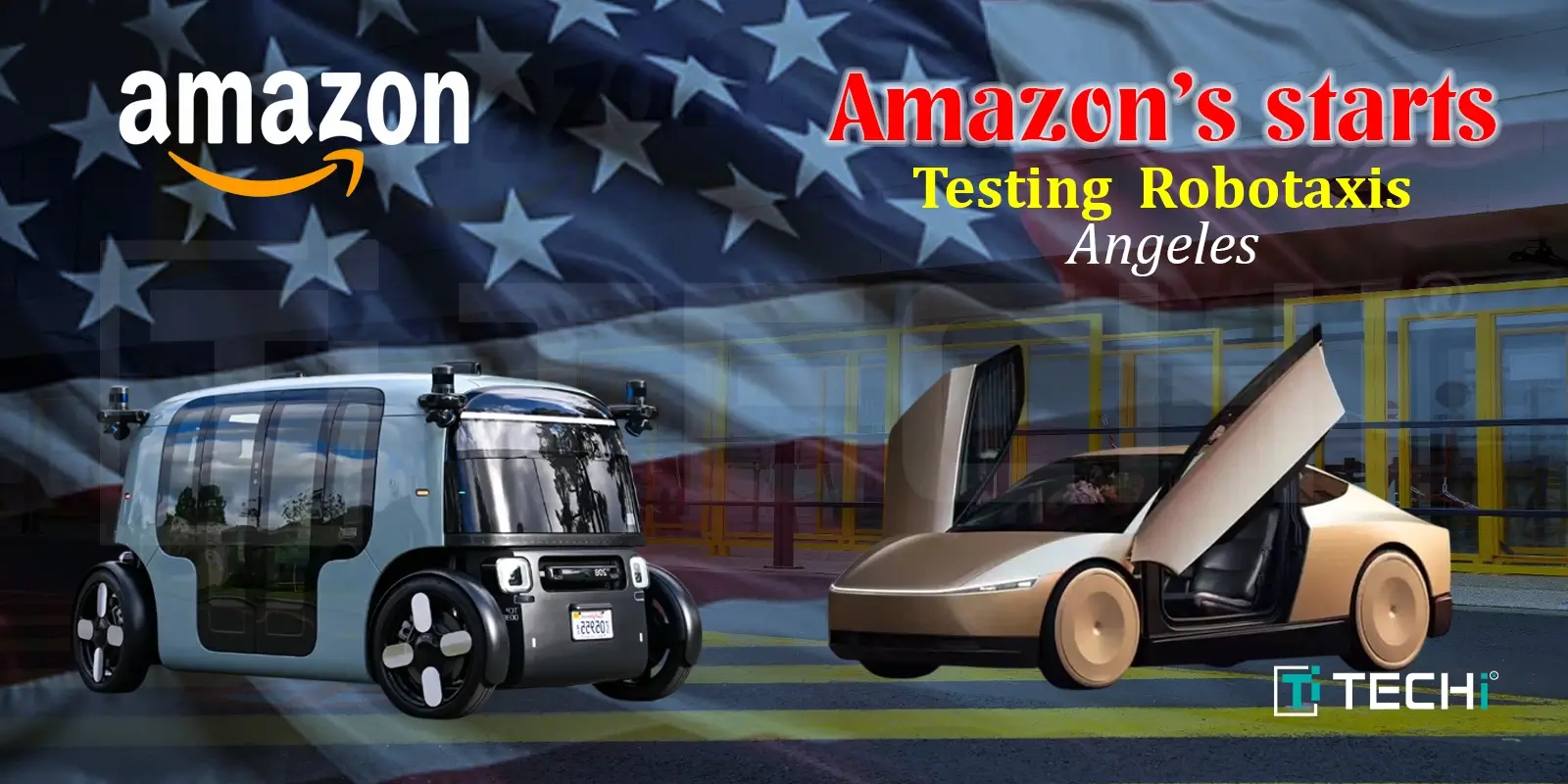
Zoox, the autonomous vehicle company of Amazon, is gearing up for its commercial debut in Los Angeles with safety operators. The company has started sending manually driven Toyota Highlanders equipped with self-driving technology for mapping. The company plans to begin full autonomous testing this summer once sufficient data on driving conditions, roadwork, and city events is gathered.
The company already runs a robotaxis fleet in Foster City, Seattle, San Francisco, Austin, Miami, and Las Vegas. However, the robotaxis are not prepared for commercial drives. Zoox believes in a step-by-step approach for launching its robotaxis in new cities.
Zoox began as a startup in 2014 and was bought by Amazon in 2020 for over $1.2 billion. The company attracted attention for designing its own bidirectional, all-electric vehicles made specifically for ride-hailing.
Zoox Faces Safety Challenges
In March 2025, the National Highway Traffic Safety Administration failed the self-driving taxi for not meeting vehicle safety standards. The authority reported that the self-driving taxi failed to comply with basic vehicle safety regulations, lacking essentials like a brake pedal and rearview mirrors.
The report was produced in response to Zoox’s unusual vehicle last year, which omits a steering wheel and traditional human controls, leaving no option for manual driving. While Zoox maintains that its AI-powered technology adheres to NHTSA standards, the report highlights eight apparent noncompliances with federal safety rules.
Zoox’s competitor Waymo already provides services in Los Angeles. In May 2024, NHTSA opened an investigation into Waymo after 22 accident reports of its robotaxis. The highway regulatory authority reported that the robotaxis displayed driving behavior that potentially violated safety laws. Other competitors of Zoox include Tesla and Aurora Innovation.
Disclaimer
This article is for informational purposes only and does not constitute financial, investment, tax, or legal advice. Market data, tax rules, and prices can change after the article date. TECHi and its authors may hold positions in securities or digital assets mentioned. Always conduct your own research and consult a licensed financial, tax, or legal professional before making decisions.
About the Author

Naba Fatima covers AI models and the software that keeps chip demand locked in. She has written about Kimi K3's low API pricing and missing open weights, Qualcomm's $3.9 billion move against Nvidia's CUDA ecosystem and Nvidia's context-memory advantage in AI data centers.
Comments