




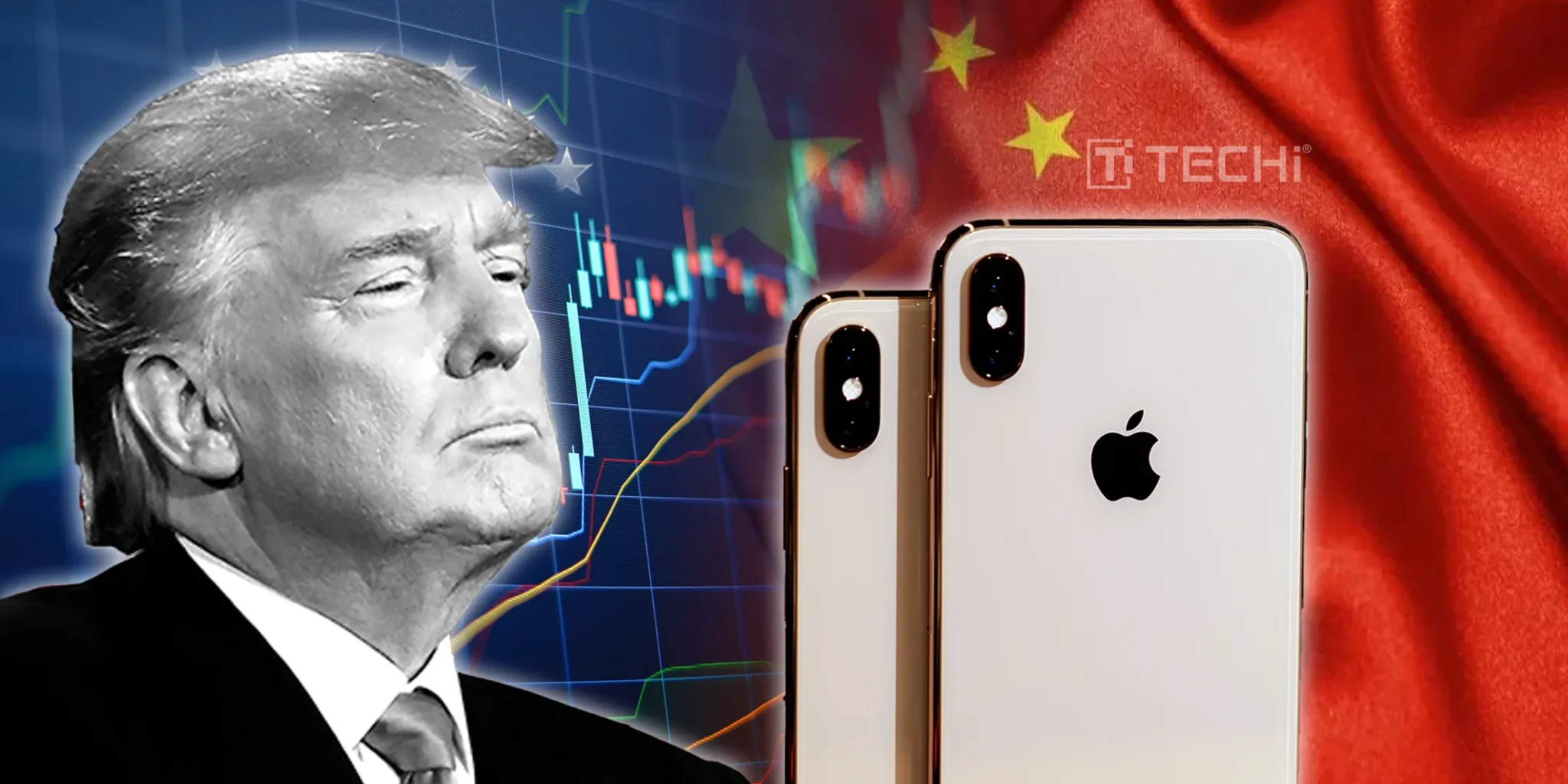
As Trump tariffs brought market instability, Bitcoin showed an exceptional rise, climbing nearly 7%, briefly touching $86,000. This rise surfaced against the backdrop of US stock indexes hitting year-long lows and bond yields spiking at their fastest pace in years. Crypto firms are attributing this performance of Bitcoin to its institutional presence and the changing nature of investors.
About this Bitcoin surge, the Crypto trading firm Wintermute noted
“This marks a notable shift from its historical behavior in crisis situations,”
Inflation and Market Volatility Not Reflected in March Data
The data retrieved from the US Bureau of Labor Statistics showed that the Consumer Price Index increased 2.4% year-over-year in March but decreased by 0.1% month-over-month, indicating the first monthly decline since May 2020. The Producer Price Index also slowed compared to the 3.2% increase in February. Wintermute pointed out, although the global market is volatile and there are inflationary risks, they have not been reflected in the March data.
Bitcoin Reacts to Macroeconomic Trends
Analysts at Bitwise noted that corporate interest in Bitcoin continues to rise. The Q1 of 2025 highlights that 12 new public firms added Bitcoin to their balance sheets. This pushed the total corporate holdings to 688,000 BTC, a 16% increase that is now worth an estimated $57 billion. Bitcoin analysts find that this increase indicates Bitcoin’s reaction to the macroeconomic trends. In light of this, Jeff Park, an analyst at Bitwise, said
“The tariff costs, most likely through higher inflation, will be shared by both the U.S. and trading partners, but the relative impact will be much heavier on foreigners,”
The Current Stability May Not Last
The founder of Obchakevich Research, Alex Obchakevich, predicted that this trend of Bitcoin may not last. He opined that the current stability of Bitcoin is due to the perception of Bitcoin as ‘digital gold’. He said
“As the trade war intensifies, Bitcoin may return to the list of risky assets. Because investors will most likely look for salvation in gold,”
Disclaimer
This article is for informational purposes only and does not constitute financial, investment, tax, or legal advice. Market data, tax rules, and prices can change after the article date. TECHi and its authors may hold positions in securities or digital assets mentioned. Always conduct your own research and consult a licensed financial, tax, or legal professional before making decisions.
About the Author

Naba Fatima covers AI models and the software that keeps chip demand locked in. She has written about Kimi K3's low API pricing and missing open weights, Qualcomm's $3.9 billion move against Nvidia's CUDA ecosystem and Nvidia's context-memory advantage in AI data centers.



Comments