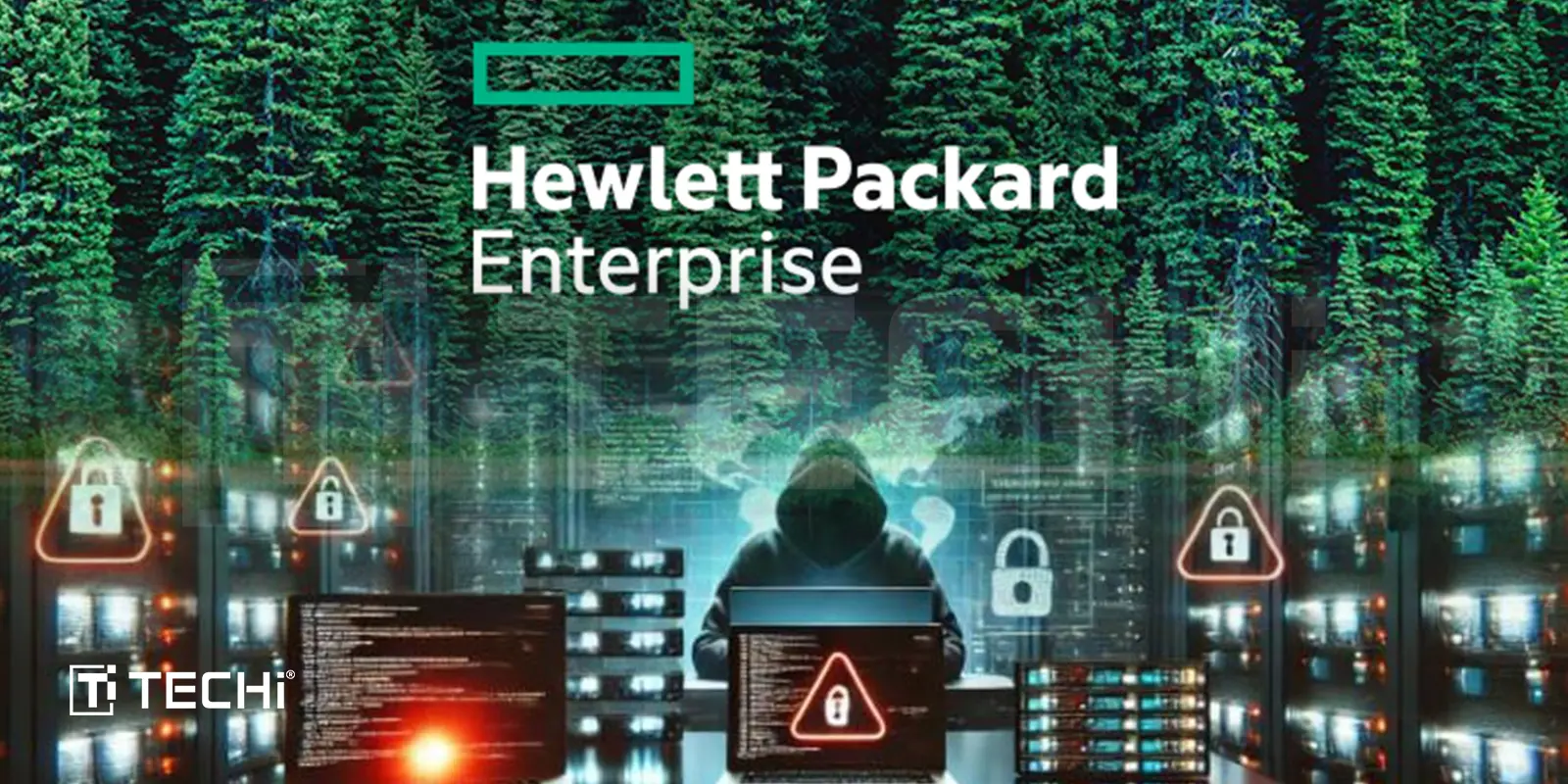
Hacker Steals Sensitive HPE Data:
Hewlett Packard Enterprise (HPE) is under inquiry after claims by a hacker, operating under a false name "IntelBroker," who claims to have stolen sensitive data. The hacker posted details of the breach on a popular cybercrime forum, claiming the stolen information includes product source code, private GitHub repositories, and access keys for various HPE services, including APIs. IntelBroker has also claimed past breaches at technology companies such as AMD , Cisco and Nokia in separate incidents. The HPE data the hacker claims to hold includes personally identifiable information about past deliveries.
HPE Responds:
In a statement, HPE spokesperson Clare Loxley confirmed that the company was made aware of the claims on January 16. She said, “HPE became aware on January 16 of claims being made by a group called IntelBroker that it was in possession of information belonging to HPE. HPE immediately activated our cyber response protocols, disabled related credentials, and launched an investigation to evaluate the validity of the claims. There is no operational impact to our business at this time, nor evidence that customer information is involved.”
HPE’s History with Breaches:
Despite many queries, HPE refused to disclose the manner in which its data was compromised. On the other hand, IntelBroker, who was implied to be selling the data stolen from HPE, has not responded, leaving many details about the alleged breach unconfirmed. Nearly a year ago, HPE reported that its cloud-based email environment had been breached by Midnight Blizzard, an organization associated with Russia. According to the company, hackers had accessed internal HPE email boxes using an infected account and then removed data from only a small portion of mailboxes. As the investigation continues, HPE is working to ensure the integrity of its systems and safeguard customer trust. For now, the company asserts that there is no evidence of customer information being impacted, but the alleged breach serves as a reminder of the growing threats in cybersecurity.

Disclaimer
This article is for informational purposes only and does not constitute financial, investment, tax, or legal advice. Market data, tax rules, and prices can change after the article date. TECHi and its authors may hold positions in securities or digital assets mentioned. Always conduct your own research and consult a licensed financial, tax, or legal professional before making decisions.
About the Author

Fatimah Misbah Hussain writes about public companies, semiconductors and the financing of AI infrastructure for TECHi. Her portfolio includes earnings analysis, stock comparisons and conditional forecasts, alongside cryptocurrency developments and technology policy. Her reporting examines revenue, margins, funding requirements and the business assumptions behind market expectations.





Comments