


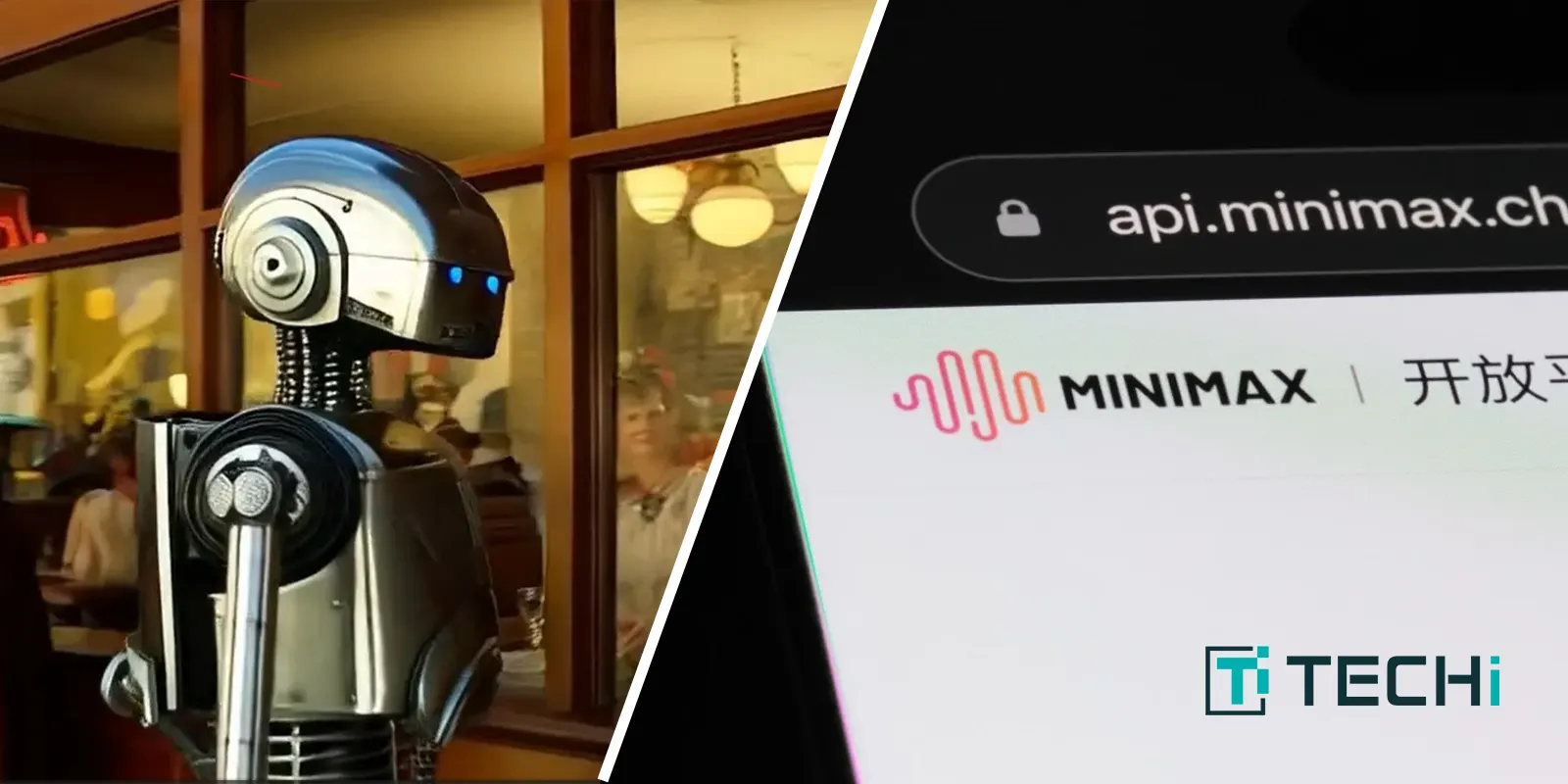
Industry’s new rival:
The Chinese AI startup, MiniMax, claims to have developed the most advanced AI models to compete with major global players like OpenAI and Google. Alibaba, Tencent, and other firms contributed $850 million to support these models. Their aim is to establish innovative and unique boundaries in text processing and comprehension across various modes
MiniMax Models’ advanced features:
The three models, MiniMax-Text-01, MiniMax-VL-01, and T2A-01-HD possess highly advanced and unusual features. MiniMax-Text-01 has a context window of 4 million tokens and can take in more than 3 million words in one go, surpassing the competencies of rivals like GPT-4o and Llama 3. MiniMax-VL-01 is a multimodal model that includes text and images features, although it is less advanced than Google's Gemini 2.0, the model can handle graphing interpretation tasks. T2A-01-HD is an audio model that generates speech in 17 languages and can clone a voice from a 10-second sample.
Controversies:
MiniMax's app, "Talkie," has been the subject of controversy. The App Store took down Talkie in December for unclear technical reasons, the app features AI-enabled figures also termed as avatars from popular personalities such as Donald Trump, Taylor Swift, LeBron James, Elon Musk and others without any of them providing consent. As, video generators MiniMax were able to mimic the logos of British television channels in December, reported by Broadcast magazine, this suggested that their models were trained on the content of those channels and are sued by iQIYI over the allegations of the claim that the company has included copyrighted material in its model training.
Restrictions and accessibilities:
Hailuo AI and its associated APIs are not open-source models. The use of MiniMax's licensed materials to enhance competing models is prohibited by the company and they reserve the right to permit their usage on platforms with over 100 million users. The startup's rise comes despite constraints on the high-end chips vital to AI development, as the Biden administration has tightened its export controls on AI technologies to China. MiniMax's range of ambitious models is a testament to its ability to compete with high level AI companies, despite facing geopolitical challenges.
Disclaimer
This article is for informational purposes only and does not constitute financial, investment, tax, or legal advice. Market data, tax rules, and prices can change after the article date. TECHi and its authors may hold positions in securities or digital assets mentioned. Always conduct your own research and consult a licensed financial, tax, or legal professional before making decisions.
About the Author

Fatimah Misbah Hussain reports on the money behind AI and chips: Samsung raising foundry prices while losing share, Alphabet's first quarter of AI cash burn and the roughly $10 billion financing stack behind Korea's sovereign AI factory. US sanctions on crypto exchanges and X's new payouts for original posts are also part of her beat.


Comments