



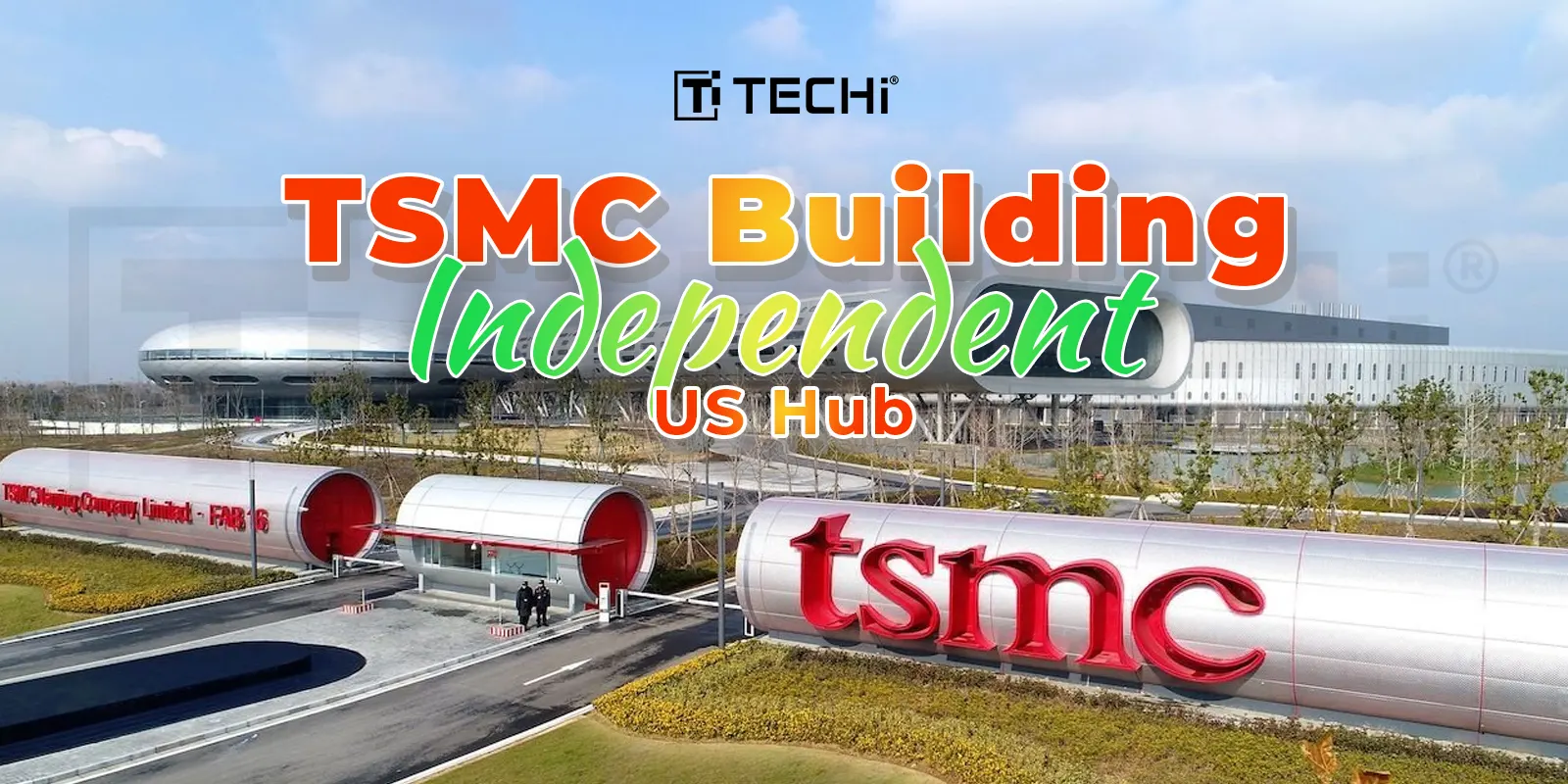
Complying with Trump’s notion of Made in America Semiconductor, Taiwan Semiconductor Manufacturing Co. (TSMC) announced that about 30% of its 2nm and more advanced chip capacity will eventually sit in Arizona.
The chairman and CEO of the semiconductor giant, CC Wei, said the company
“is not involved in any discussions with other companies regarding joint ventures, technology licensing, or technology transfers and sharing.”
This statement by the CEO indicates that TSMC plans to build a chip hub in the USA independently.
The announcement came with other project updates about which Wei said that the company will accelerate construction of its second and third chipmaking plants in Arizona. TSMC plans to move up the production schedule for the second plant from the targeted year of 2028. Meanwhile, the construction of a third plant is expected to kick start by the end of the year 2025.
TSMC’s US Foundries lagging behind Taiwan’s
Although TSMC seems optimistic about the two Arizona plants, it was recently reported that the company is unable to start operation of these plants in the near future. In a recent news article by AppleInsider, it was reported that TSMC US facilities are lagging five years behind Taiwan in producing the latest chips for Apple products.
TSMC has its active Arizona chip foundry operating under 4-nanometer chip processors. The second Arizona plant is in line to start operating by 2028. This new plant will produce 3-nanometer chips. The third one is still under planning for the production of 2-nanometer chips.
According to a report by Nikkei, this third plant will take longer than 2030 to operationalize. The report also finds that if this plant is operationalized according to the proposed plan, it will still be five years behind Taiwan’s production facilities.
About the Author

Naba Fatima covers AI models and the software that keeps chip demand locked in. She has written about Kimi K3's low API pricing and missing open weights, Qualcomm's $3.9 billion move against Nvidia's CUDA ecosystem and Nvidia's context-memory advantage in AI data centers.

Comments