


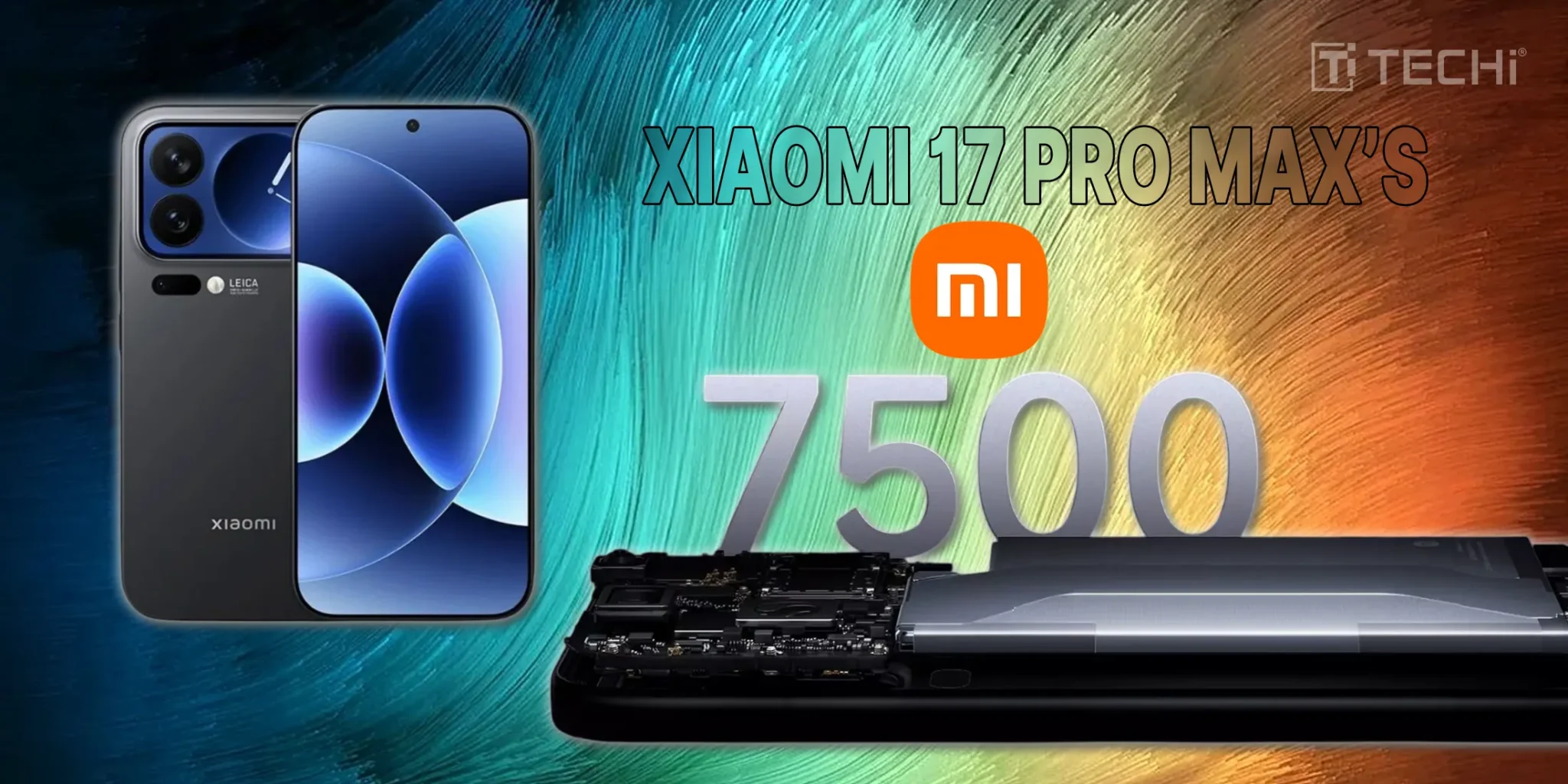
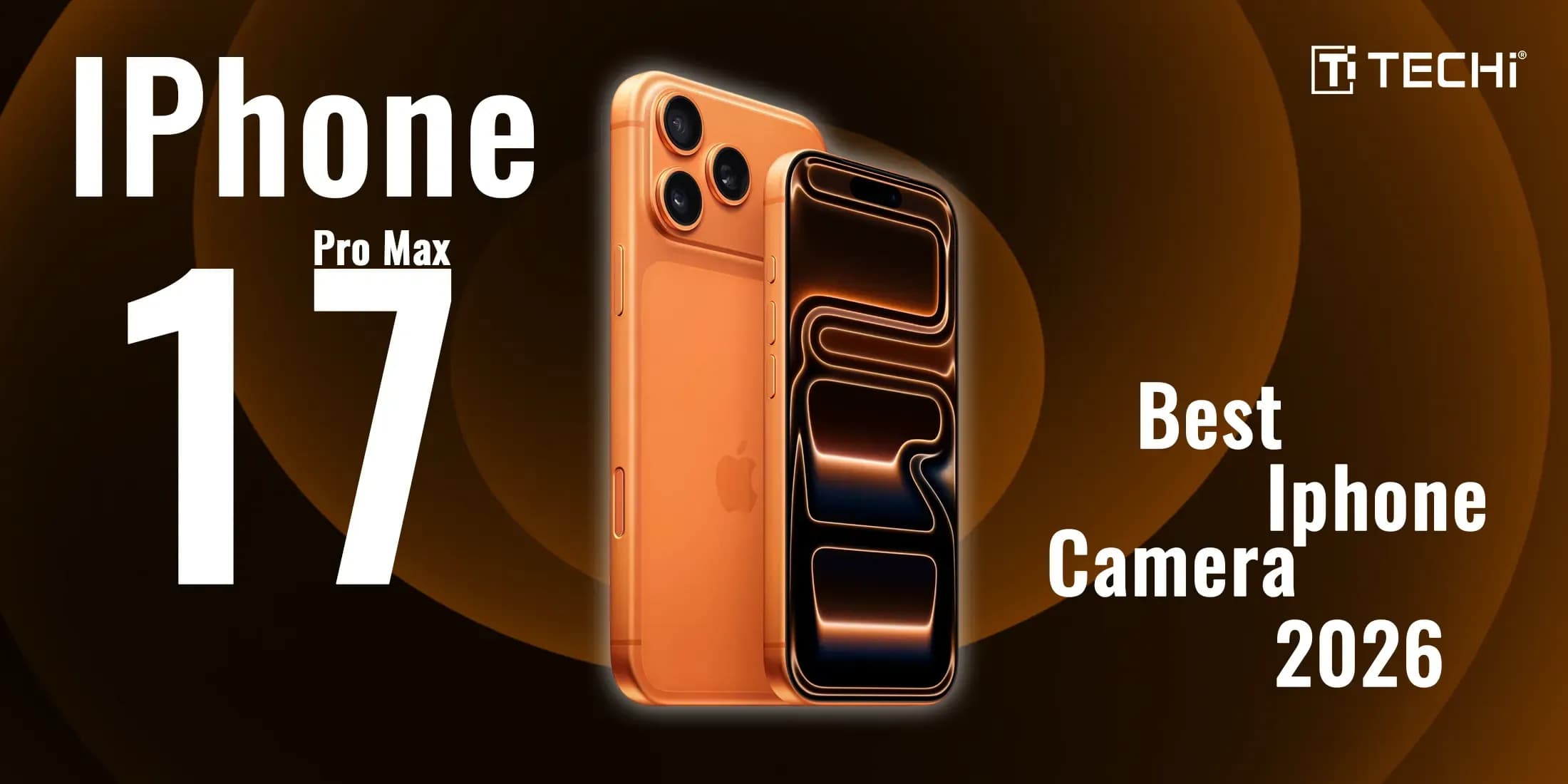
Xiaomi's 17 Pro max has a huge 7,500mAh battery, which is roughly 55 percent larger than the battery in the Iphone 17 Pro max. But the phone still loses the battery life test. That means all that extra capacity Xiaomi had put in their battery doesn't actually translate into endurance.
The failure sheds light on some inherent flaw in their core engineering, where they prioritize headline specs over efficiency. Resultantly, the phone that looks powerful on paper underdelivers in practice.
The Power of Control
How come a bigger battery is unable to compete with a battery half its size? The answer lies in the manufacturing limitations and optimization. Apple’s secret isn't a bigger battery; it's the smart energy use. Apple designs both of its chips and software. Every part works efficiently, complementing each other.
iOS’s tightened hardware-software integration allows aggressive power management. Apple controls chip design, operating system, and app frameworks, optimizing every component for efficiency. On the other hand, Xiaomi uses Qualcomm's Snapdragon processors and Android's open architecture, inheriting inefficiencies from components that are designed for broad compatibility, rather than single-device optimization.
In simpler terms, Apple runs on an ecosystem where every component speaks the same language and companies like Xiaomi rely on Qualcomm processors, Google’s Android OS, and third-party components designed to work across hundreds of different devices.
Specs over Sense in China
Despite this major flaw, it's ironic that Xiaomi climbed up to become the top market-capturing brand during China’s Golden Week, with 21.2% of the market share. As it appears, Chinese consumers value visible specs, such as large batteries, better charging, and more hardware features over subtle efficiencies. This trend also shows that China’s smartphone market prioritizes flashy hardware over non-dramatic performance.
In a market where brand pride and abundance of features shape the buying decisions, Xiaomi's “7,500mAh Powerhouse” appeals more than Apple’s quietly optimized design. No wonder the smartphones coming from China have dozens of cameras, tens of speakers, and whatnot.
Xiaomi's battery test failure demonstrates that Android flagship competition prioritizes marketable specifications over engineering optimization.
Until these manufacturers invest in software efficiency, matching their hardware ambitions, larger batteries will keep losing to smaller batteries that run in a more optimized and custom-made device.
In this race of smartphones, the power to own an ecosystem of your own would trump flashy and superficial features every time.
About the Author

Qaiser Sultan writes about AI risk, crypto prices and online economies. He has covered Anthropic raising its misalignment risk label after cyber disclosures, how the Ether price looks after a brutal first half and how Roblox's Limited collectibles became real money, and he contributes to TECHi's Two Takes.

Comments