



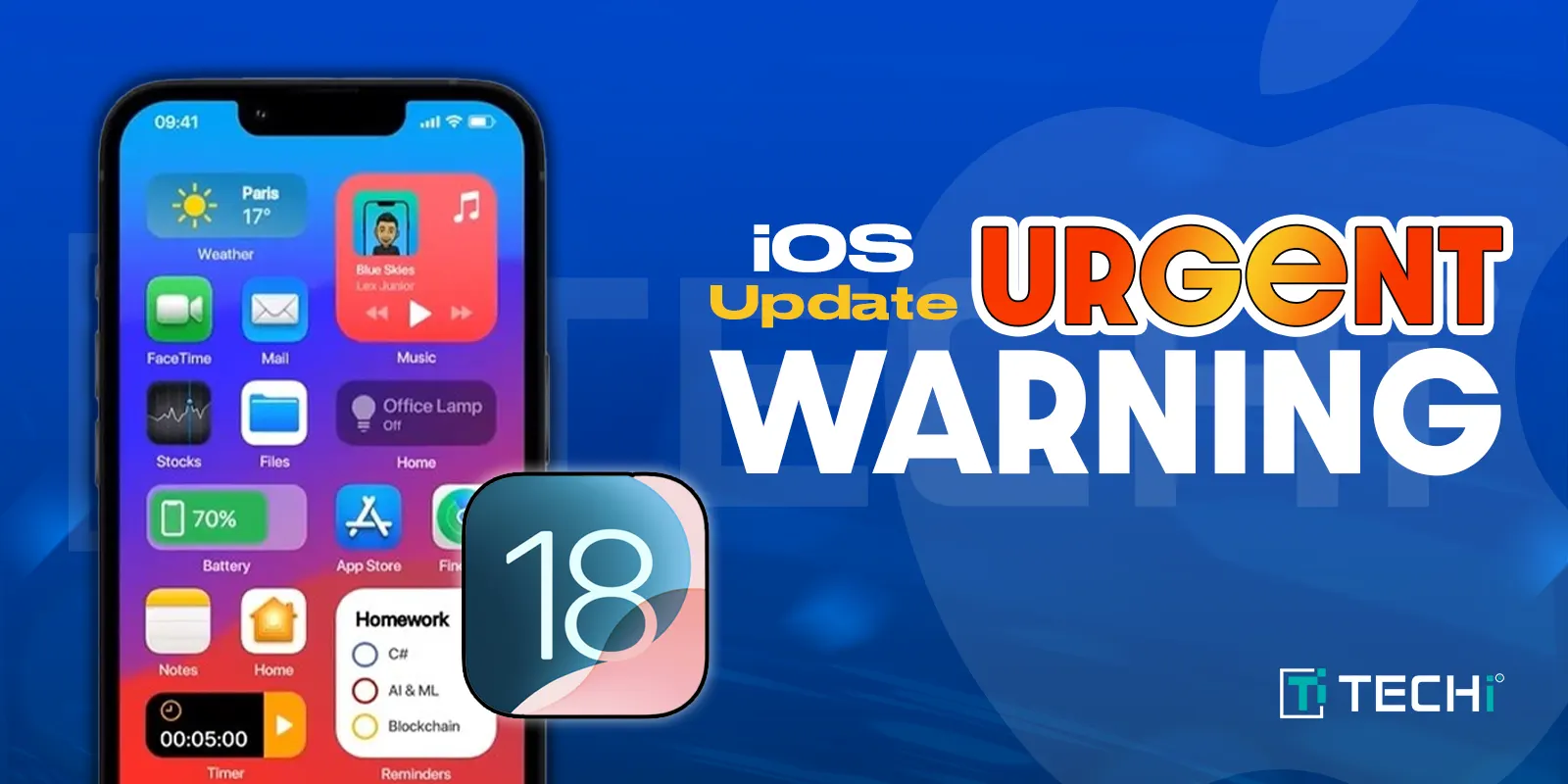
Apple has recently launched the iOS 18.4.1 update that enhances security and fixes bugs. This new update came two weeks after the release of iOS 18.4, which itself patched 62 vulnerabilities.
Security Feature
The most notable feature in iOS 18.4.1 is the security update. This update came with a warning to update the iPhone. This feature addresses two iPhone security flaws that are used in real-life attacks. The security update will fix iPhone’s Core Audio tracked as CVE-2025-31200. Apple and Google Threat Analysis Group found that processing an audio stream in a maliciously crafted media file may result in code execution.
The tech giant has kept the details of this feature confidential so that users can update their iPhone before the attackers can get hold of the details.
The last iOS 18.3.2 was related to this feature. In that update, Apple could patch up urgent issues already being used in real-life attacks on iPhones.
Notably, the flaw in WebKit, which troubles Apple’s Safari browser, was so threatening that the US Cybersecurity and Infrastructure Security Agency (CISA) issued an alert to make an update before the deadline.
Bug Fixing Feature
After iOS 18.4 was released, a lot of complaints were received about long-deleted apps reappearing on some users’ iPhones. The same update also patches a flaw in RPAC, tracked as CVE-2025-31201. This feature will address the vulnerability that enables attackers to bypass Pointer Authentication.
Disclaimer
This article is for informational purposes only and does not constitute financial, investment, tax, or legal advice. Market data, tax rules, and prices can change after the article date. TECHi and its authors may hold positions in securities or digital assets mentioned. Always conduct your own research and consult a licensed financial, tax, or legal professional before making decisions.
About the Author

Naba Fatima covers AI models and the software that keeps chip demand locked in. She has written about Kimi K3's low API pricing and missing open weights, Qualcomm's $3.9 billion move against Nvidia's CUDA ecosystem and Nvidia's context-memory advantage in AI data centers.


Comments