



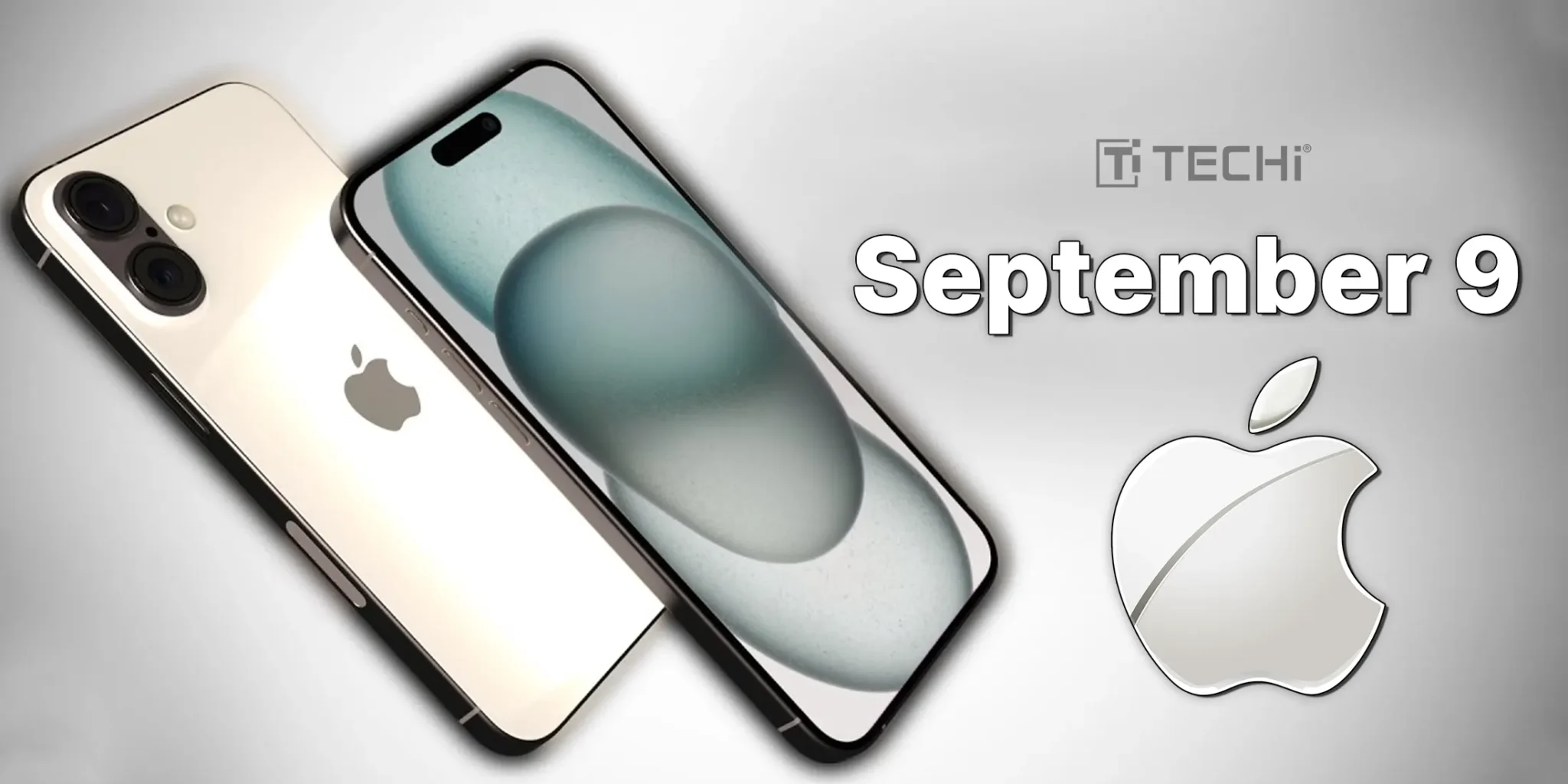
The Apple product event is one of the most followed events in the technology sector every September. The event that will be held in Apple Park, Cupertino, this year on September 9 will be at a very crucial time. Invitations went out on August 26 under the tagline "Awe dropping," which signals Apple wants the focus on a new look or a headline feature. The company will likely unveil the iPhone 17 models, new Apple Watches, and perhaps other devices.
The iPhone has been the most significant product of Apple. Through iPhone's good sales, Apple managed to boost its recent revenues despite the market economic pressure. But with the competition in smartphones intensifying, the question is whether Apple can still amaze consumers and investors with innovation.
A New Design Strategy
It has been reported that Apple intends to launch a super-slim iPhone, which is termed the MacBook Air of iPhones. This would be the most significant design change in years. The thinness would increase interest but may also imply compromises in battery and camera power.
The iPhone has stayed relatively unchanged in its appearance and design across a few generations, as competitors such as Samsung and Huawei have challenged with novel designs and foldable models. Apple has not gone the foldable way, but it bets on design and performance refinement. A thinner iPhone can assist in revitalizing the interest of the consumer in a time when most of them upgrade simply because they need to.
The iPhone 17 Lineup
There are many models Apple is expected to launch for the iPhone 17. And in addition to the new slim model, there are likely to be regular iPhone 17 and Pro models. The regular models have faster processors, a higher quality camera, and longer battery duration.
The Pro models often deliver more advanced features, such as higher-end cameras, bigger displays, and premium titanium designs. Apple has consistently been keen to use its Pro line to charge more and appeal to buyers who are ready to pay more to purchase state-of-the-art features.
A significant change that is likely to take place this year is the elimination of the Plus model. Apple analyst Ming-Chi Kuo has said the Plus model accounts for only about 5–10% of new iPhone shipments, and he expects Apple to retire it this year. Apple seems set to narrow down the product range to concentrate on models that will appeal more to customers.
Apple's record with size experiments is mixed. The iPhone mini lasted two generations, the 12 mini and the 13 mini, before it was dropped from the lineup in 2022. Retiring the Plus would make it the second size variant Apple has cut in three years.
The AI and Siri Question
One of the most significant elements of the story this year is the role of Apple in the AI race. The firm postponed a scheduled upgrade to Siri that would have rendered the assistant more competitive against OpenAI-based ChatGPT and Google-based Gemini. That judgment provoked concerns that Apple is lagging in AI, which is one of the most significant technological changes of the decade.
Last year, Apple marketed the iPhone 16 as powered by Apple Intelligence. Investors and customers are going to be keen to determine whether the firm will go a notch higher in its pursuit of AI-powered features this year. In the case of Apple, it is essential to demonstrate that the company can continue dominating this sphere in terms of reputation and expansion.
Tariffs and Production Challenges
The Apple company has serious political and economic hurdles besides technology. The global supply chains are changing as a result of President Trump's tariff policies. Apple estimated that tariffs will cost it about $1.1 billion in the September quarter.
Apple has already shifted a large part of its iPhone production for the U.S. market from China to India to mitigate such risks. The U.S. tariff on Indian goods doubled from 25% to 50% on August 27, but smartphones remain exempt, which gives Apple room to breathe.
Trump has also said his planned 100% tariff on imported semiconductors will not apply to companies building chips in the United States, and he named Apple as one of them, with Tim Cook beside him in the Oval Office on August 6. Recently, Apple committed $600 billion to U.S. operations over four years, including chip manufacturing.
Can Apple Deliver Another Hit?
The stakes are high. People are cautious of their expenditures, and most of them can only replace their phones when there is an urgent need. Simultaneously, Apple is being pressured by Wall Street to demonstrate its ability to continue producing robust performance.
September 9 will involve not only the introduction of new devices. It will also challenge Apple to remain in the future of smartphones and address the challenges of its competitors who are encroaching on AI and novel designs.
A thin iPhone will be noticed, but the long-term success will be determined by whether Apple can be good in terms of matching design to the real innovation.
About the Author

Layloma Rashid writes about AI platforms and the companies selling them, from OpenAI's new teen alert on ChatGPT and GPT-5.6's arrival on Amazon Bedrock to C3.ai's enterprise AI earnings. She also follows chip policy for TECHi, including how many Nvidia H200s are shipping to China.



Comments