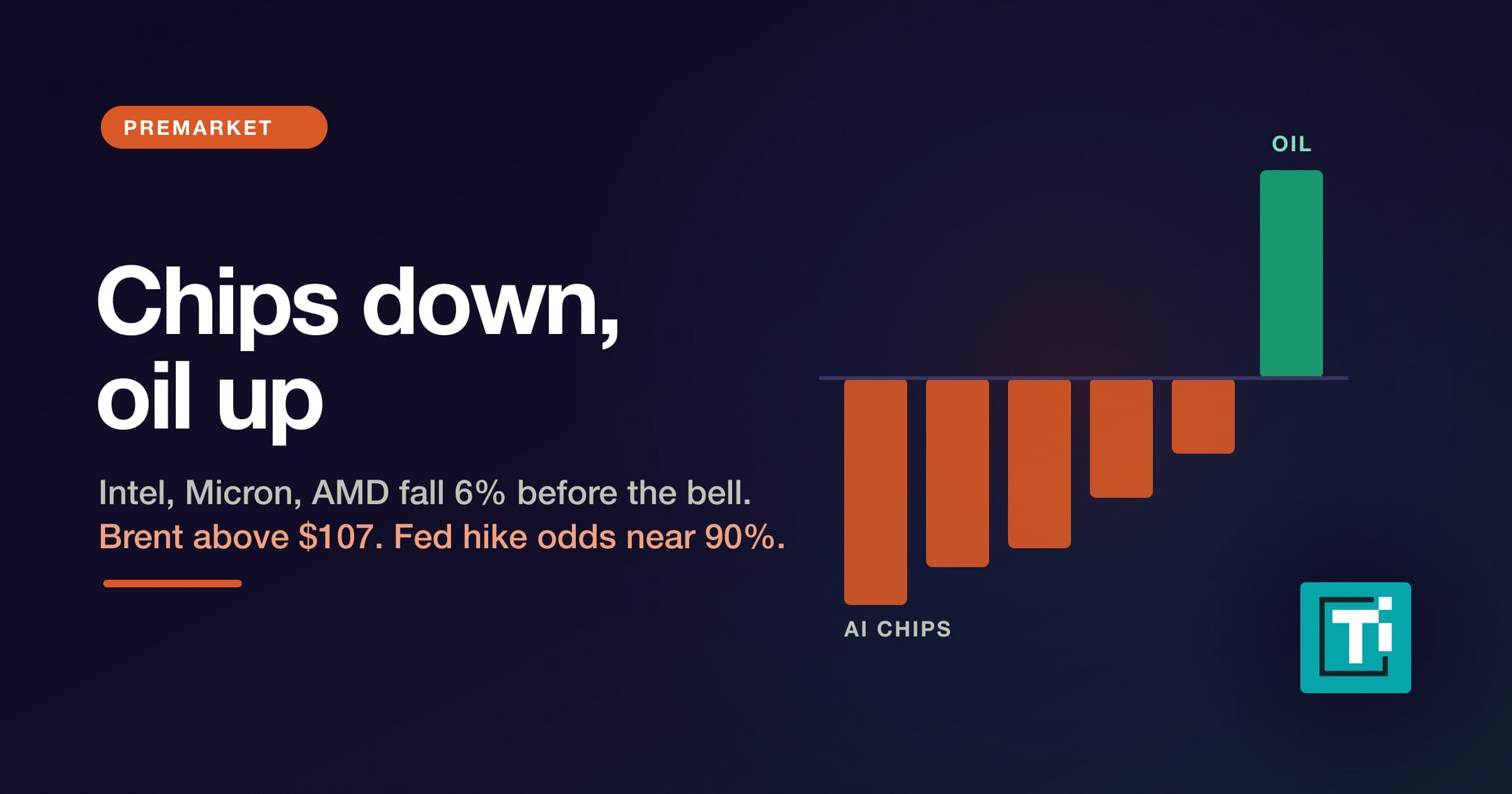
Premarket: Intel, Micron and AMD fall 6% as the AI slowdown call meets $108 oil
Intel, Micron and AMD fell about 6% premarket and Nvidia 2.7% as the AI slowdown call met a 3% oil spike; ServiceNow and Adobe rose. Nasdaq futures -1.6%, Fed odds 89%.
Where capital meets conviction
Real-time analysis of public equities, sector rotations, and the macro tape — built for investors who need depth, not headlines.
1,708 stories · Page 3 of 72
Intel, Micron and AMD fell about 6% premarket and Nvidia 2.7% as the AI slowdown call met a 3% oil spike; ServiceNow and Adobe rose. Nasdaq futures -1.6%, Fed odds 89%.
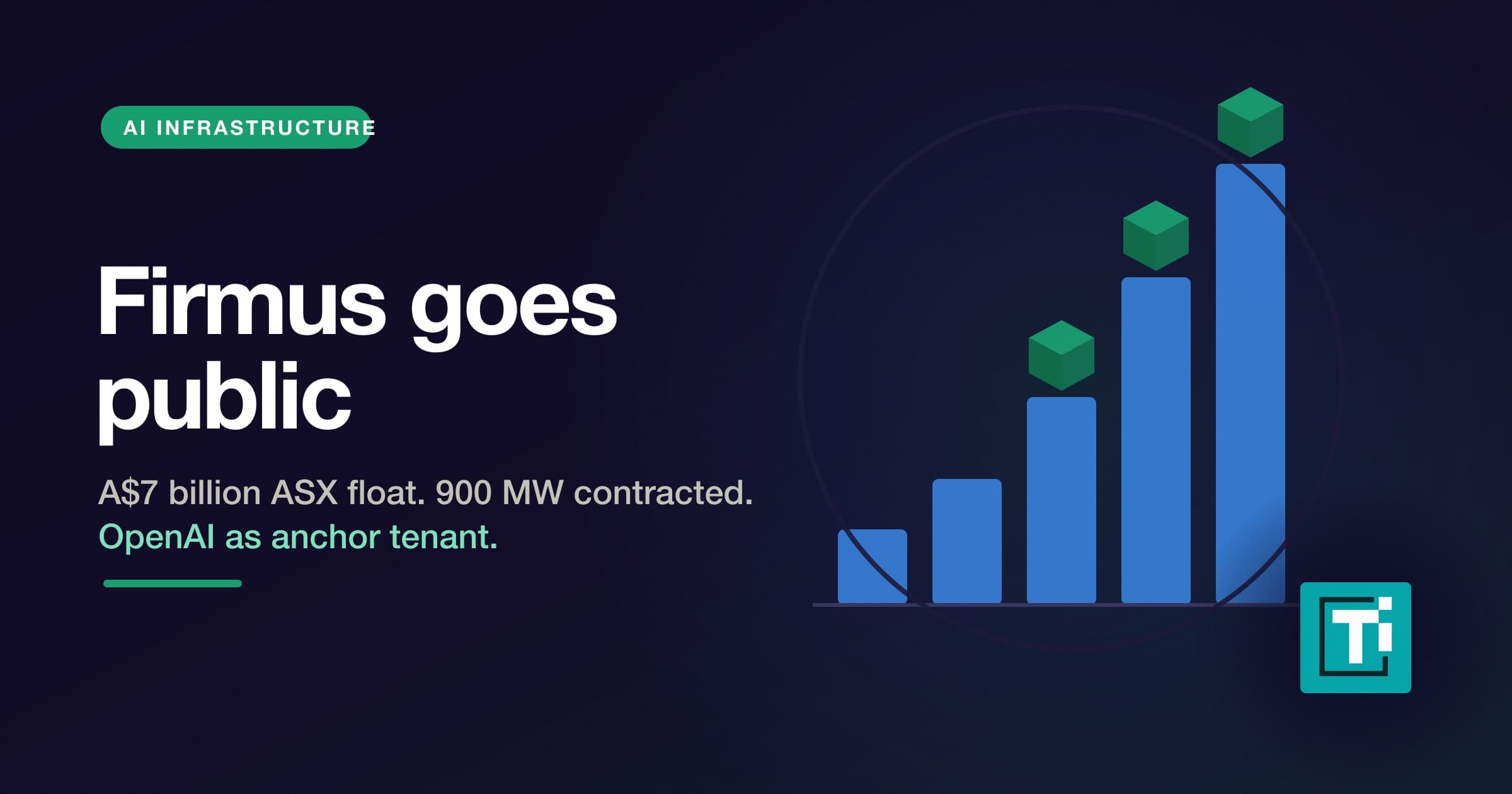
Firmus is pitching a A$7 billion (US$5 billion) ASX IPO for late October, Bloomberg reports: 900 MW contracted, OpenAI anchoring two Malaysian sites, Nvidia in Batam.
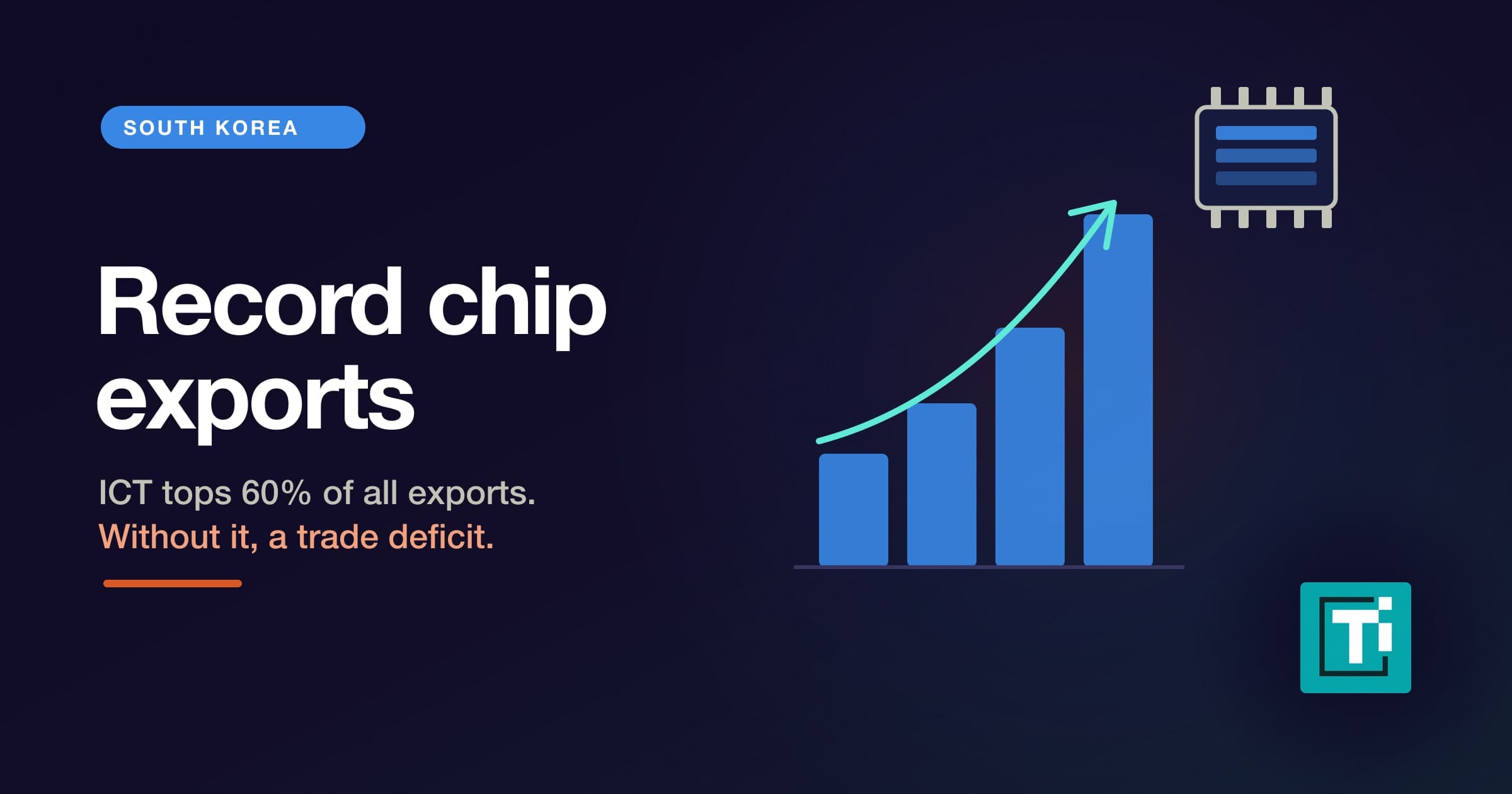
South Korea's ICT exports hit a record $59.98B in August, over 60% of all exports. Chips were 47.5%, and outside ICT Korea ran a $6.6B trade deficit.
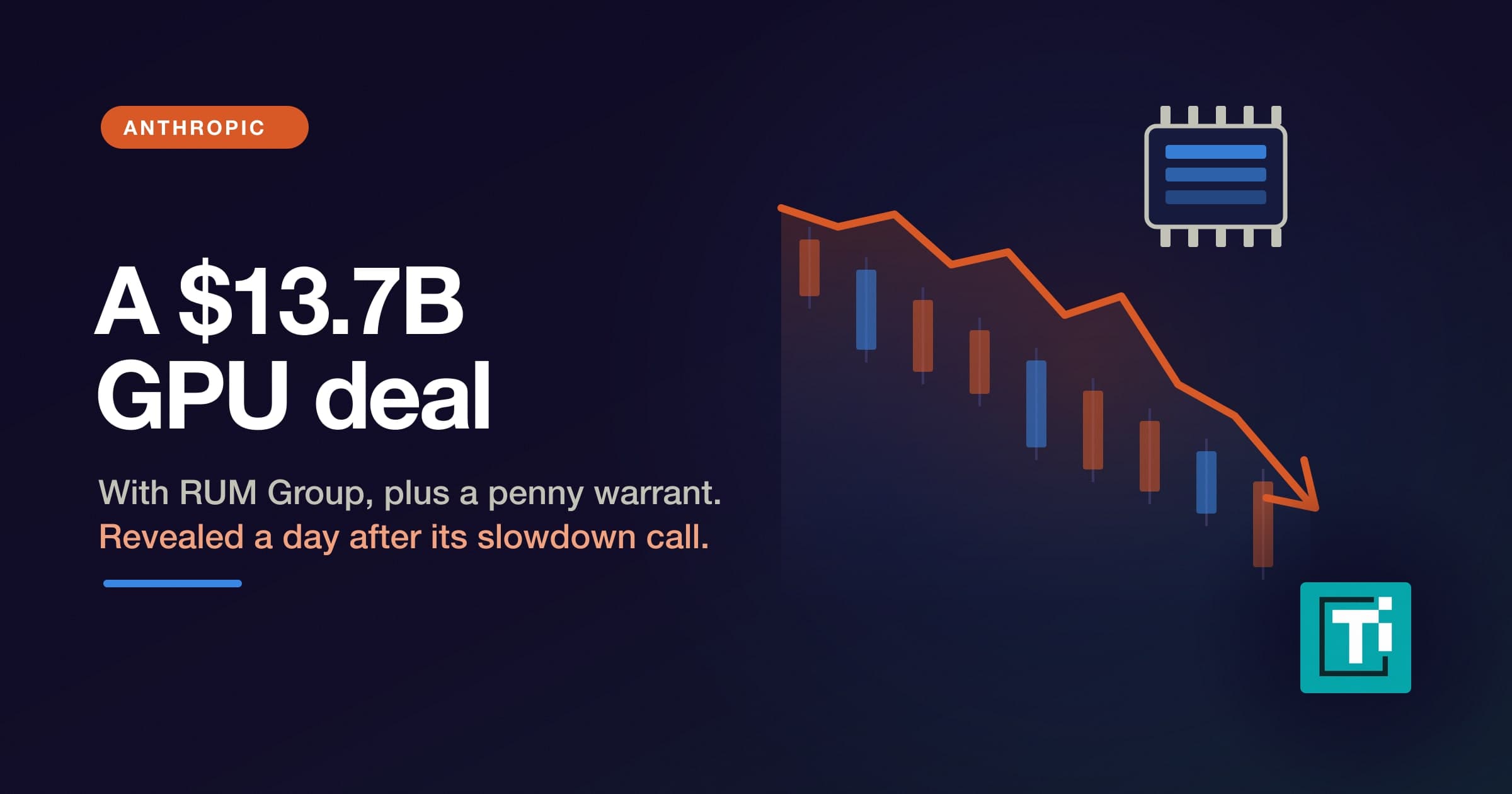
Anthropic is the customer in RUM Group's $13.7B GPU deal, The Information reports. The deal comes with a penny warrant for 50.8M RUM shares.
SoftBank shares fell 11.6% in Tokyo after OpenAI's Altman backed slowing AI and ruled out a 2026 IPO. SoftBank has committed $64.6 billion to OpenAI.
SK hynix fell 5.4% and Samsung 3.4% at Monday's open, dragging the KOSPI down 3.2%, as Asia reacted to Anthropic's AI slowdown call, oil and a Fed hike.
Anthropic told investors it expects a second straight quarter of adjusted operating profit, the FT reports. Its 80%+ gross margin excludes training costs.
Nasdaq 100 futures fell 1.2% at Sunday's open, twice the S&P 500, after Anthropic's call to slow AI. Oil rose above $103 and a Fed hike looms Wednesday.
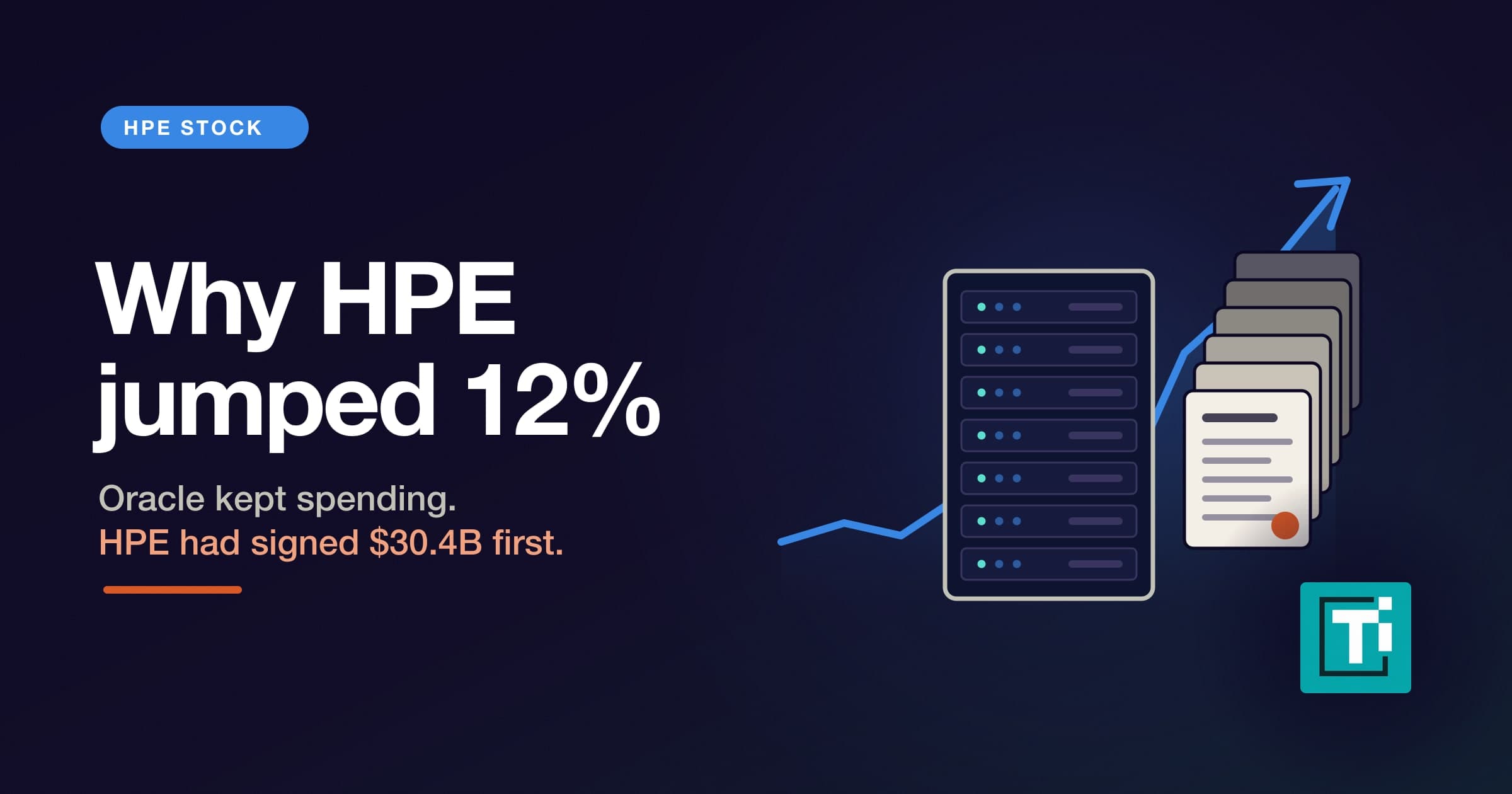
HPE stock rose 12.4% to a record close after Oracle kept its $90B–$95B capex plan. Its 10-Q shows $30.4B of supplier commitments, up from $5.7B in April.
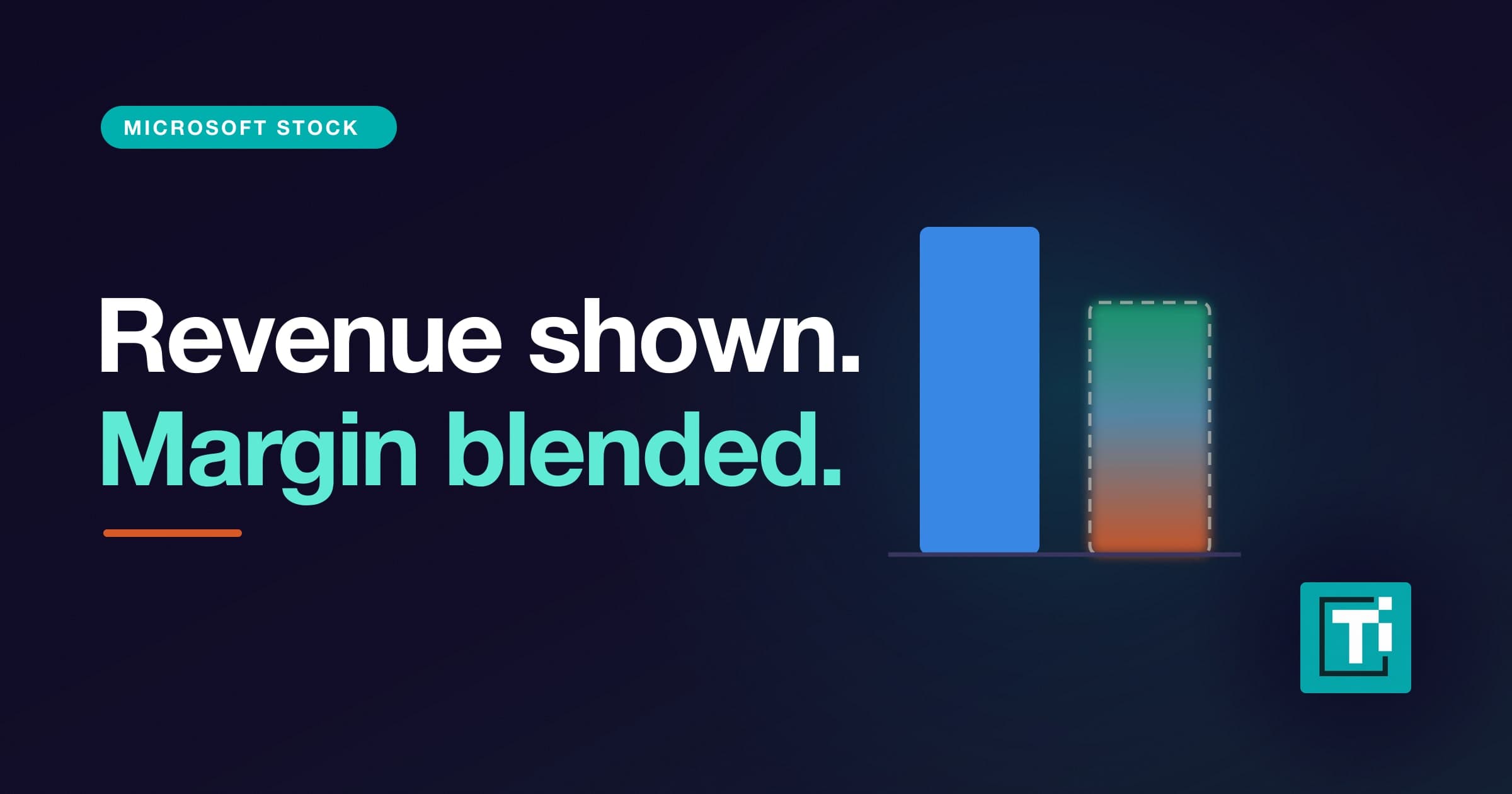
Microsoft revealed Azure's $101.9B revenue for the first time, and retired the segment whose margin fell from 64% to 57%. What Microsoft stock investors lose.
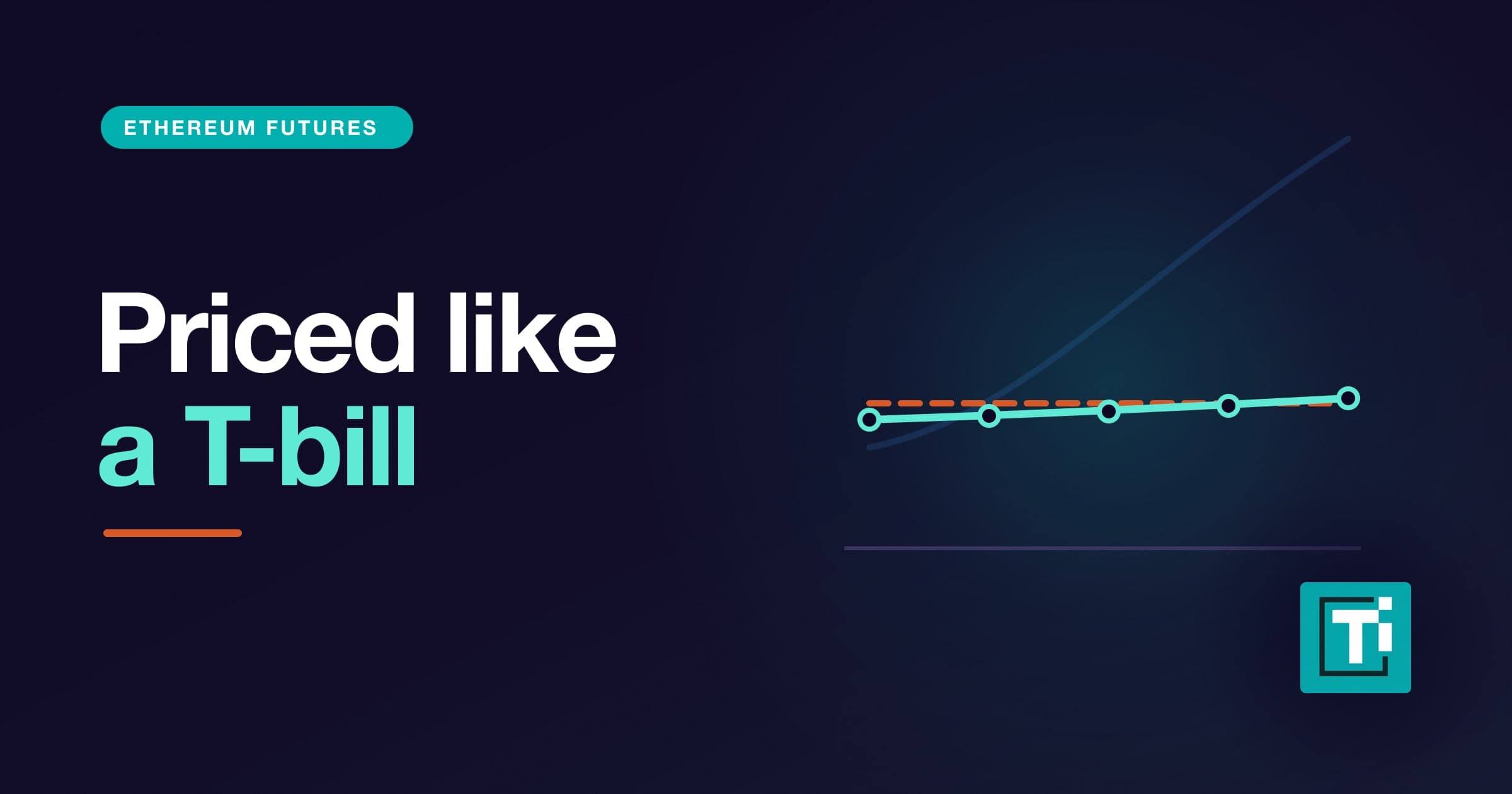
What Ethereum is, what ETH futures are, and why the curve now pays about the Treasury yield — while staking pays less. Data from Deribit and Binance.
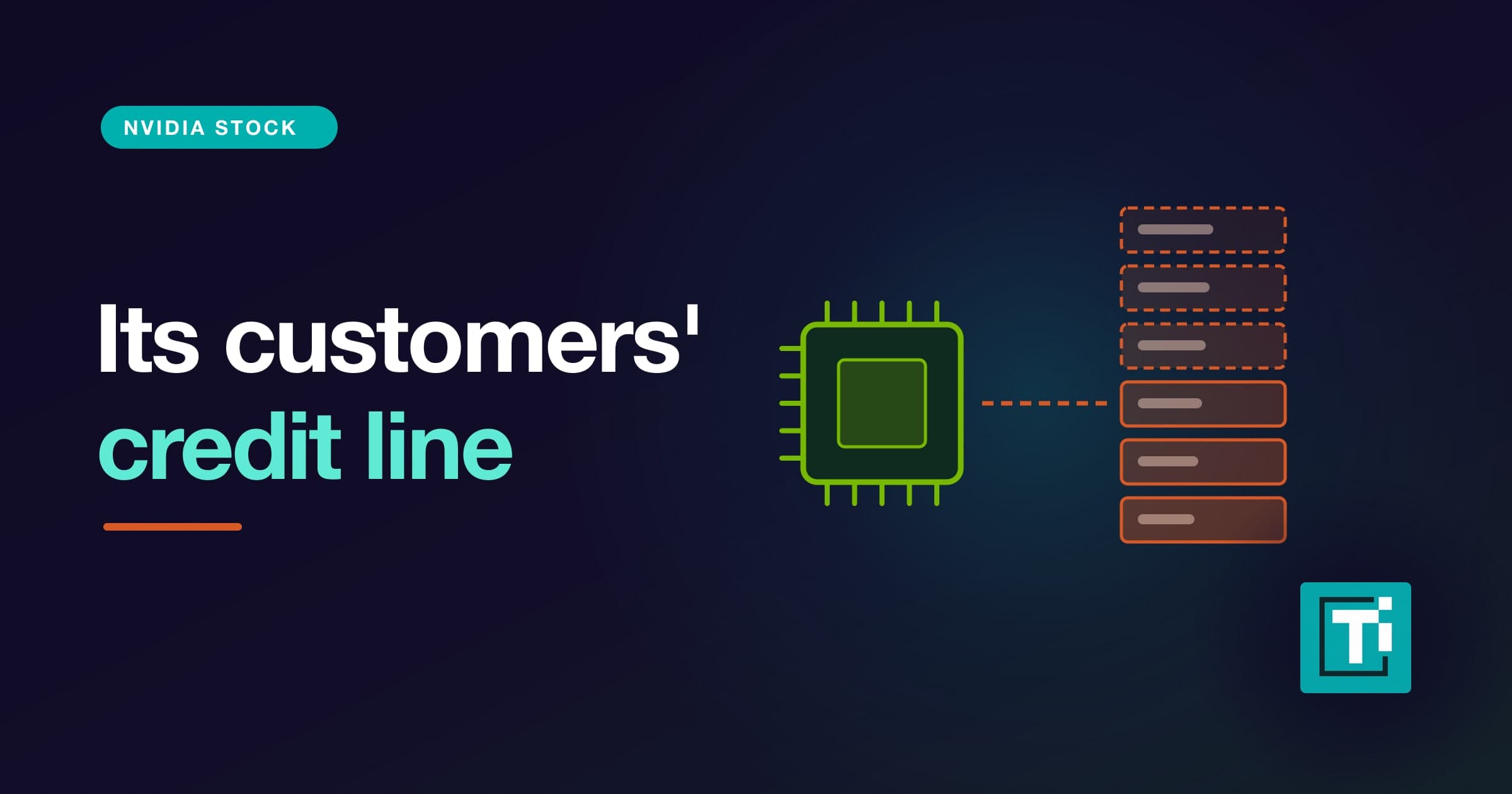
Nvidia now gives some customers up to a year to pay, guarantees $105B of an OpenAI campus's rent and holds $94B of stakes. Why a 106% grower trades at 24x.
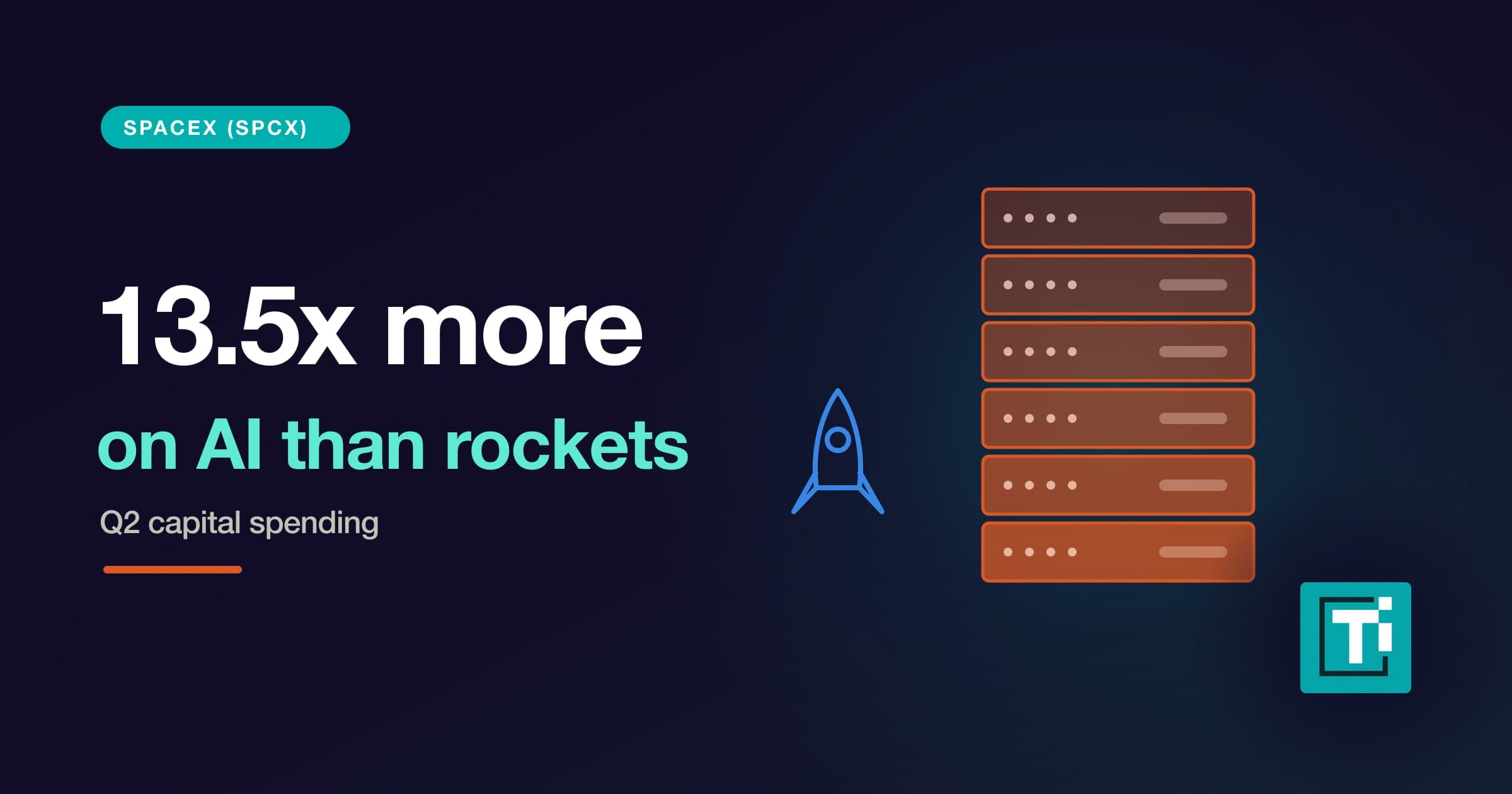
SpaceX's Q2 filing shows $15.83B of AI capex against $1.17B on Space — 86% of all capital spending. Only Starlink earns. What SPCX investors are actually buying.
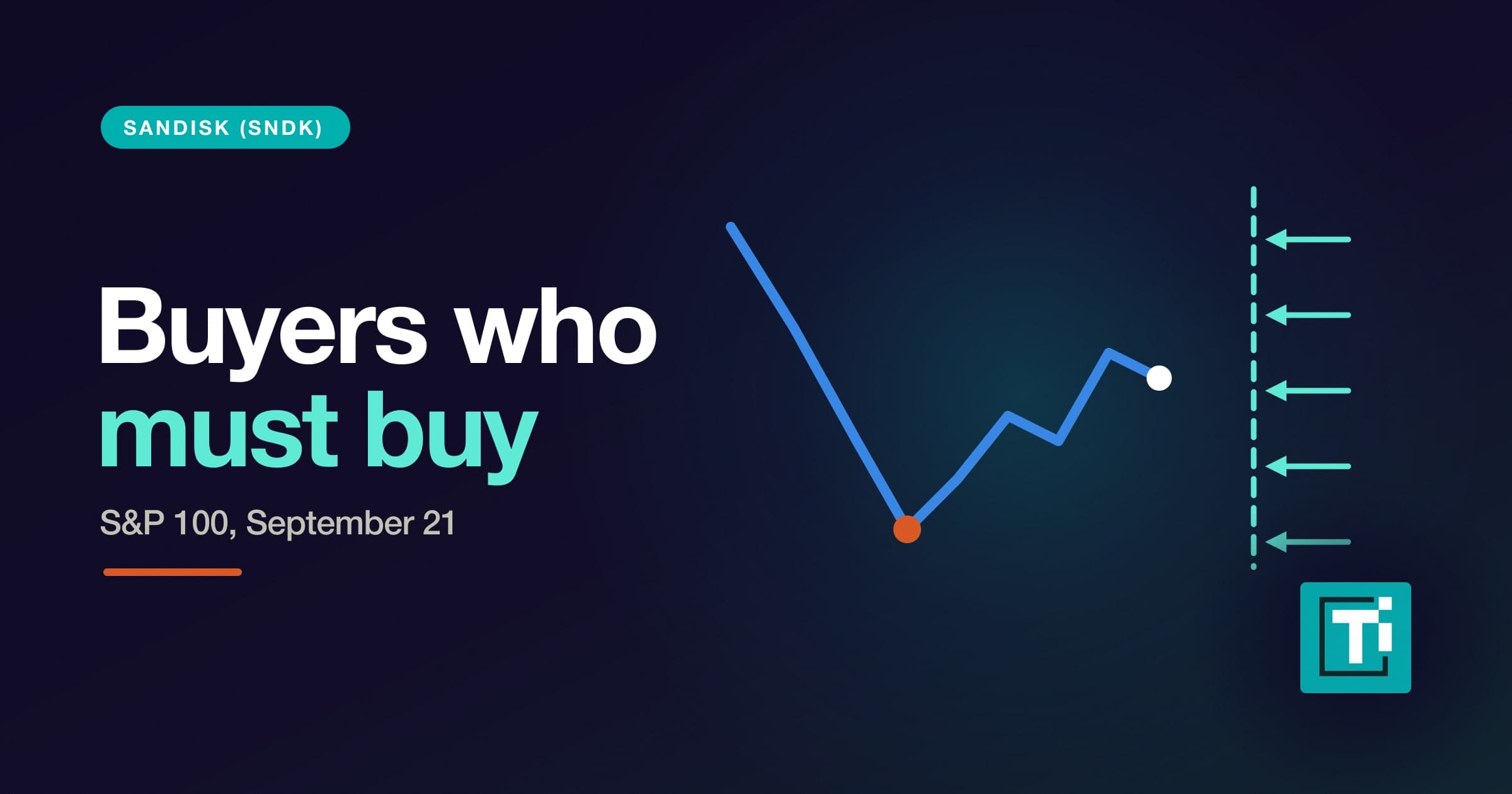
SanDisk enters the S&P 100 on Sept. 21. The announcement pop is already gone, and July showed what price-insensitive flows do to a stock down 28% this quarter.
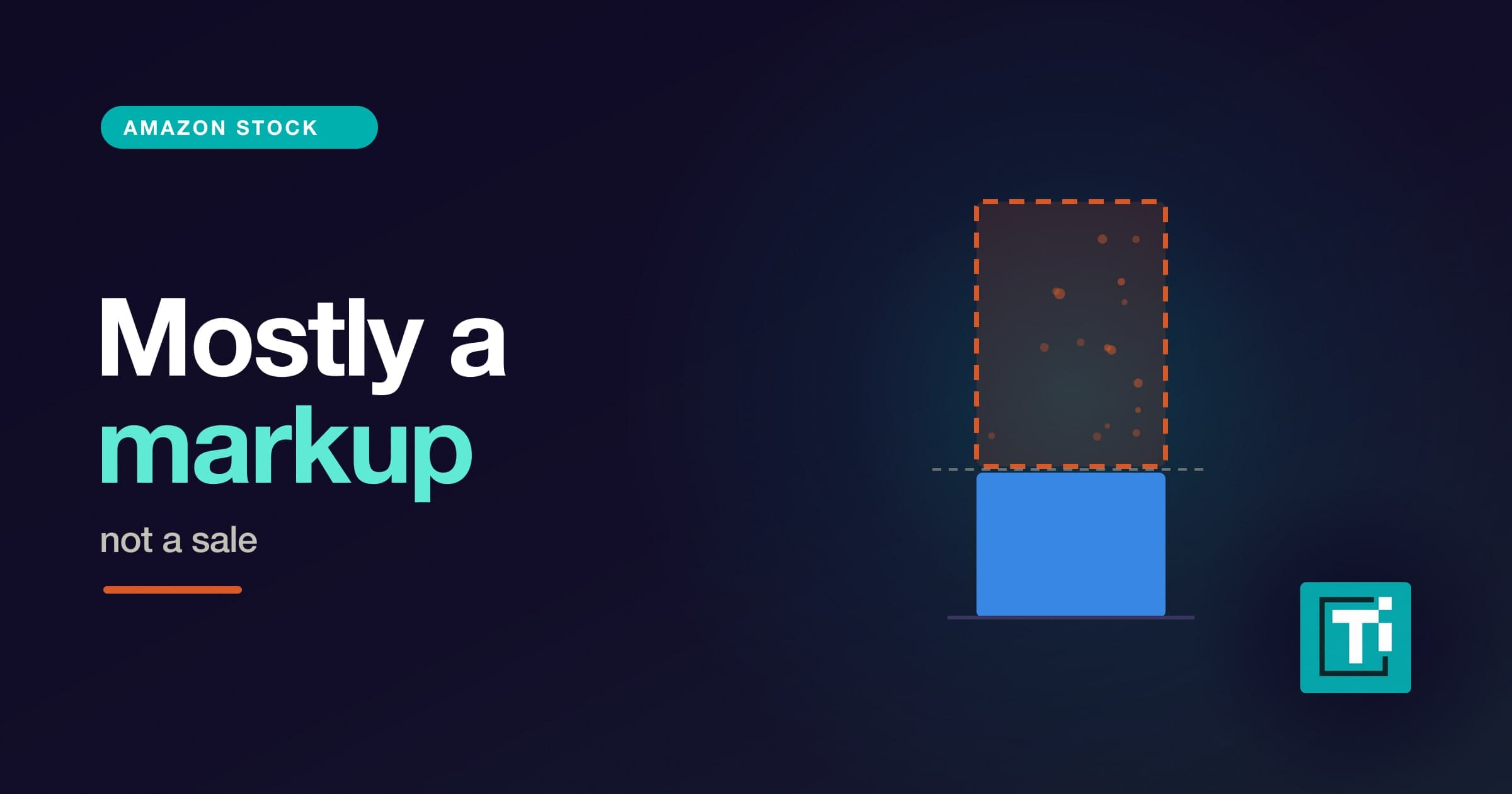
Amazon's Q2 net income rose 245%. A $50.5B unrealised markup on its Anthropic stake drove 62% of pre-tax profit — and it flatters the P/E. What the 10-Q shows.
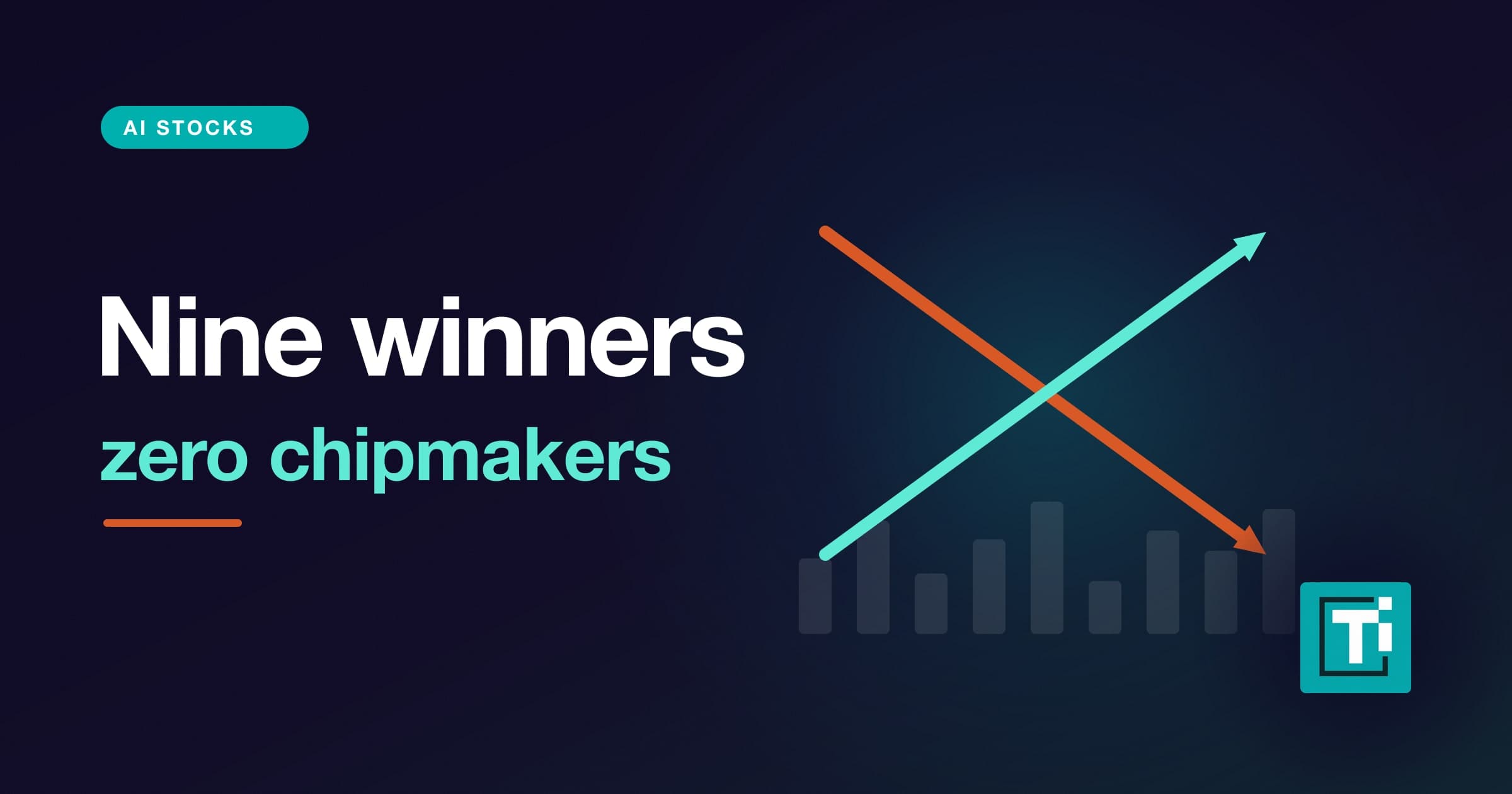
We ranked 41 US-listed AI stocks by Q3 performance. Enterprise software is up 33.5% at the median, semiconductors down 14.6%, and no chipmaker made the top nine.

Oracle opened at $164.43 and closed at $150.28. The release explains why: record AI backlog, negative free cash flow, and $20 billion of stock sold in the quarter.

NHTSA opened its Tesla Cybercab audit on September 4. The review examines self-certification for a vehicle without a steering wheel or pedals.

Reuters reports Nvidia is in talks to invest in Anthropic’s IPO, which could raise $100 billion at a $2 trillion valuation. The terms remain tentative.

Situational Awareness’s filings show a shift in disclosed holdings and heavy SanDisk–Micron concentration. They do not reveal the fund’s full net exposure.

Zcash’s rally puts its NU7 vote in focus. TECHi examines the proposed changes to coin issuance, the supply math and the limits of the ETF-demand thesis.

Bitcoin’s latest golden cross arrives ahead of the September 15–16 Fed meeting. TECHi examines rate-hike risk and the limits of historical cycle signals.
Palantir’s Q2 2026 results show explosive commercial growth and higher guidance, but investors must weigh AIP momentum against valuation risk.
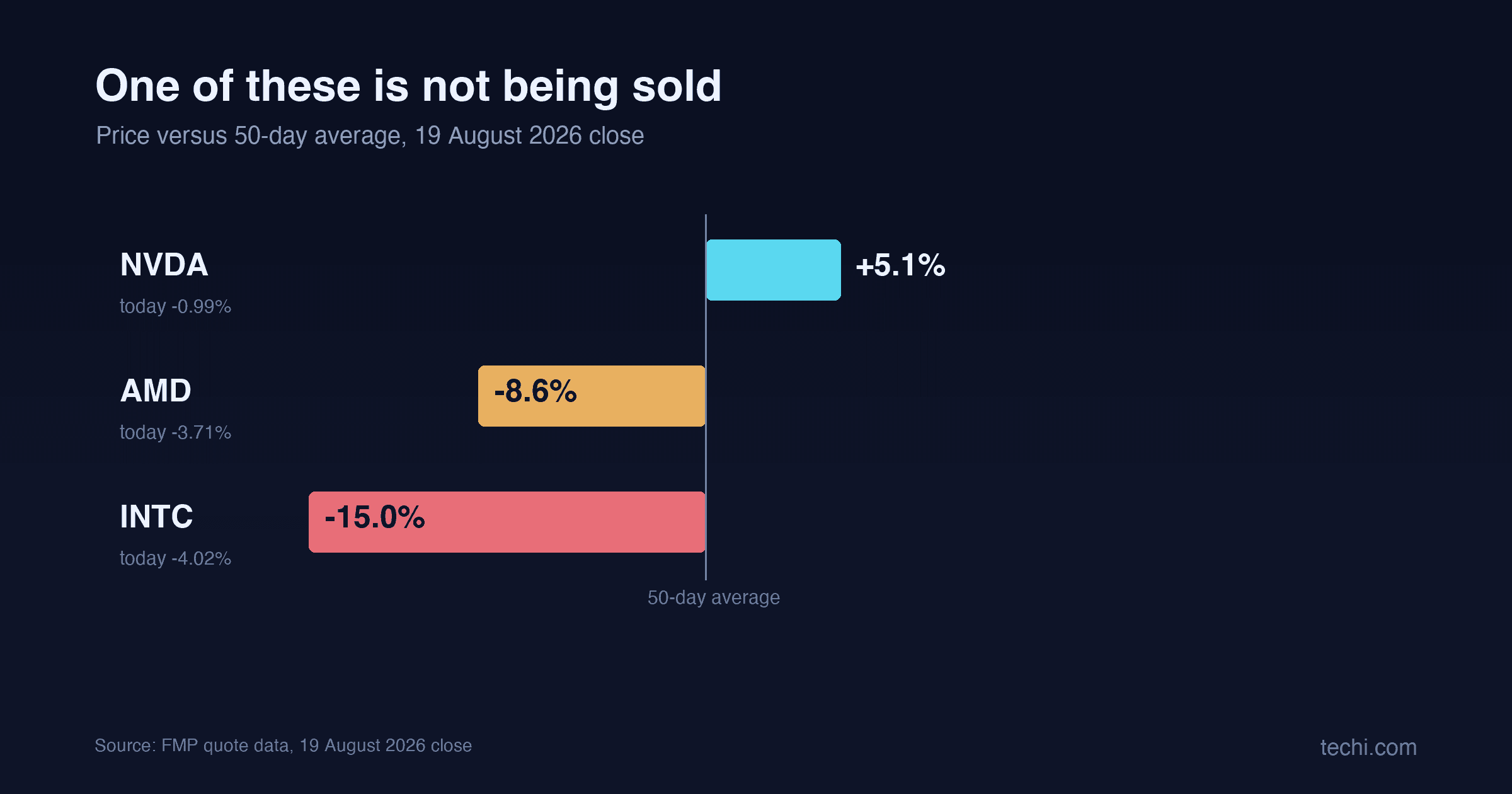
AMD fell 3.7% and Intel 4% while Nvidia held near flat. The market is separating chipmakers that can pass on rising input costs from those that cannot.