

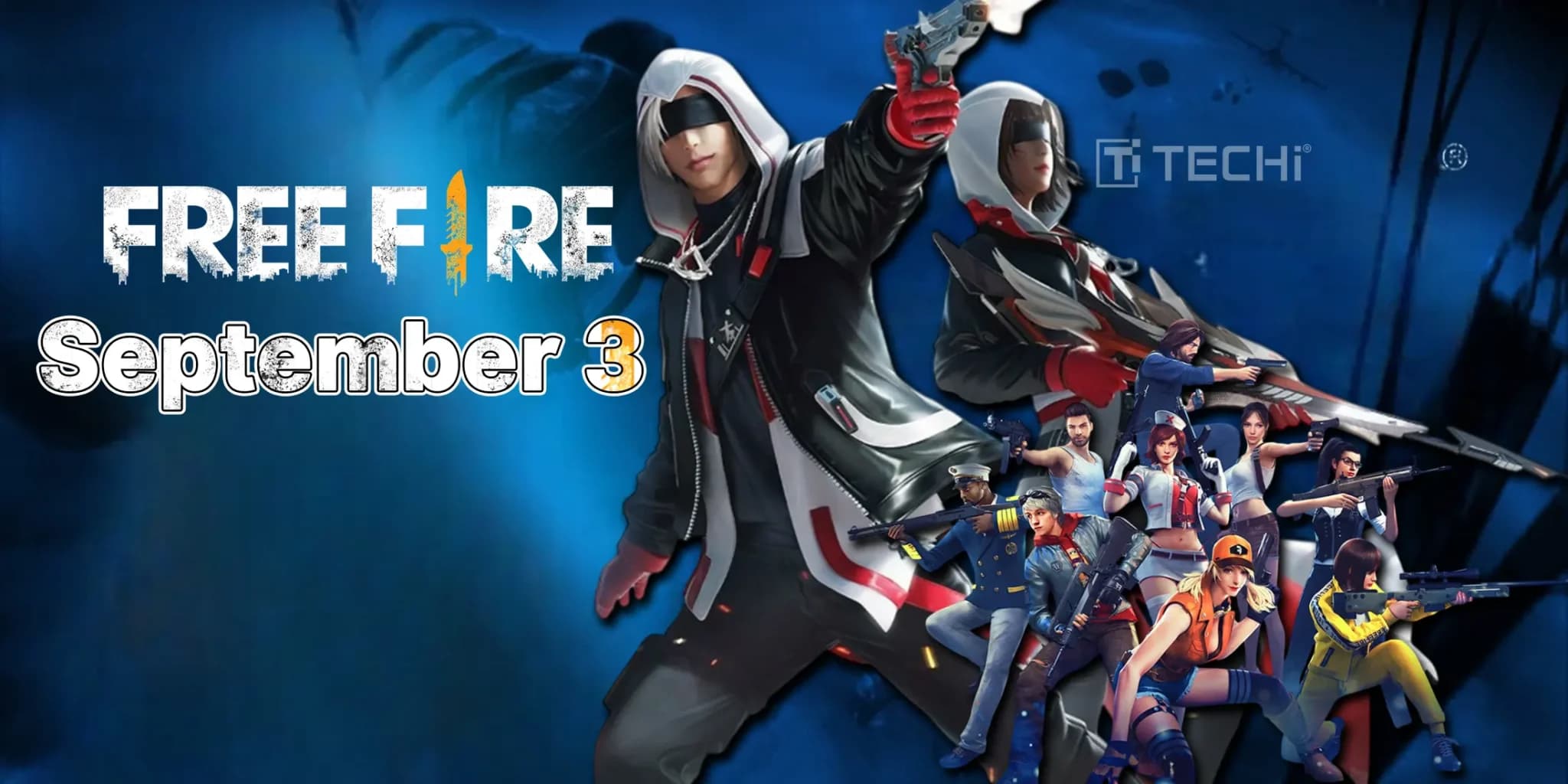
Free Fire looks like a fast mobile shooter until you study why players keep returning to it. The guns matter, the map matters, and reflexes still decide plenty of fights. But the real design lesson sits one layer deeper: Free Fire characters turn playstyle into a system. Each ability nudges the player toward a role, each loadout makes spending feel strategic, and each match becomes a small data loop about how that player likes to take risk.
That is why the character system fits TECHi better as an AI-era design story than as a basic game guide. This is not a claim that Free Fire is secretly run by generative AI. It is a sharper point: the game already uses the logic that modern AI platforms are pushing across entertainment software. Players reveal preferences through choices, systems translate those preferences into personalized loops, and the economy works best when purchases feel like tools rather than trophies.
Garena’s own character-skills dev blog says character skills diversify gameplay and let players build combinations around individual playstyle. That sentence is the whole story. Free Fire is not just selling characters. It is selling a way to make identity, tactics, and progression feel connected.
Key Takeaways
- The AI angleFree Fire’s character system works like an early personalization layer: players choose roles, build ability combinations, and reveal how they prefer to fight.
- Why it mattersThe strongest mobile games no longer rely on cosmetics alone; they use progression systems that make choices feel strategic and repeatable.
- The spending lessonDiamonds make the most sense when players use them to support a role or loadout, not when they chase every new item.
- TECHi fitThis is a story about AI-era personalization, game economies, and digital behavior, not just a Free Fire character list.
Free Fire characters are more than cosmetics
The usual mistake is treating Free Fire characters like skins with bonuses attached. That undersells the design. A character choice changes how a player enters a fight, when they rotate, whether they push after dealing damage, how much risk they take near the edge of the zone, and how they support a squad.
Official Free Fire pages position the game as a mobile-first survival shooter with short, high-pressure matches. Garena’s current character roster makes the scale of the system obvious: the roster is built around named identities, roles, and special survival abilities, not anonymous stat boosts. That matters because players are not simply optimizing damage numbers. They are choosing a way to behave.
In AI product language, that is preference modeling. A player who keeps choosing mobility-heavy characters is telling the system something. A player who stacks healing, shield, or team utility is telling it something else. Even without a visible AI assistant in the lobby, the character layer creates structured behavioral data: role preference, aggression level, tolerance for risk, and willingness to invest in progression.
The best ability is the one that matches your decision style
Abilities influence Free Fire because they change decisions before the first bullet is fired. A movement skill does not only make a player faster. It changes whether that player can escape a bad angle, chase a cracked opponent, or rotate through open space. A healing skill does not only restore health. It changes how long a squad can stay in a fight before spending resources.
That is why skill timing matters more than raw unlocks. The same ability can be wasted by a reckless player and decisive in the hands of someone who understands spacing, cooldowns, and squad roles. Free Fire rewards players who ask a practical question before spending: does this character support how I actually play, or am I buying the newest thing because everyone is talking about it?
This is where the article connects to the broader AI shift in games. Google Cloud has described the move from live games toward more dynamic, personalized “living games”, where systems can respond to player behavior faster than the old update cycle allowed. Free Fire’s character system is not that full future, but it is built on the same principle: the game gets deeper when the player can tune the experience around identity and intent.
Smart top-ups are a strategy question, not just a spending question
Diamonds sit at the intersection of progression and player discipline. The weak version of mobile monetization pushes players to chase everything. The stronger version gives players a reason to buy selectively, because the purchase supports a role they already understand.
That is why an FF Diamond top up should be treated like a loadout decision, not a mood purchase. If a player mainly plays entry fragger, spending around mobility, survival windows, or aggressive role support makes more sense than buying disconnected items. If a player anchors a squad, team utility has more long-term value than another flashy cosmetic that never changes decision quality.
This mirrors what we argued in TECHi’s piece on in-game purchase risk: the checkout moment is now part of the gaming experience. Players need to think about value, account safety, region details, and whether a digital purchase actually improves how they play. Eneba fits naturally into that conversation because players often use digital marketplaces to compare game keys, top-ups, and digital deals before committing money.
Why this design keeps Free Fire fresh
Free Fire has a simple control surface by design. That is one reason it works on mobile. But simple controls do not mean shallow decisions. Characters add a second layer without making the interface heavier. Players can still move, aim, loot, and fight quickly, while abilities add a hidden rhythm that experienced opponents learn to read.
A good squad does not need four identical damage hunters. It needs pressure, information, survivability, and timing. Character synergy turns those needs into a team composition problem. That is also why the system has esports and spectator value. A well-timed ability is visible, understandable, and easy to replay as the turning point of a fight.
The closest old TECHi article, Free Fire’s Redeem Gold Culture Reveals Mobile Gaming Psychology, focused on rewards and FOMO. This rewrite pushes the idea further. The bigger story is not just that rewards pull players back. It is that character systems make players feel as if their choices have a strategic fingerprint. That feeling is what AI-era entertainment products are trying to scale.
The AI-era lesson: personalization needs restraint
The best AI systems in games will not simply generate more content. More content is easy to promise and hard to make meaningful. The better target is a game that understands a player’s role, skill level, habits, and frustration points without turning every session into a shopping funnel.
That is the line Free Fire has to keep walking. Character choice gives players agency. Progression gives them a reason to return. Spending can support both. But if the economy ever feels like it is punishing patience or making older choices useless, the system loses trust. Progression works when it expands options, not when it tells players yesterday’s investment is obsolete.
Unity’s latest game development report points to more sophisticated live operations, more gameplay variety inside single games, and deeper social mechanics. Free Fire already shows why those trends matter. The character roster is not just content; it is a live design surface that can keep absorbing new roles, events, collaborations, and balance passes.
What players should actually do
The practical advice is simple. Pick a role before picking a character. If you win by forcing fights, prioritize mobility, damage windows, or survivability after contact. If you win by keeping squads alive, prioritize healing, shields, information, or team buffs. If you mostly play solo, choose abilities that forgive bad positioning or create escape routes.
Then spend around that role. A selective top-up makes sense when it unlocks a character, skill path, or item that supports how you already play. It makes less sense when it is just a reaction to scarcity, countdown timers, or social pressure. The best Free Fire players do not own everything. They understand what matters for their own loop.
Bottom line
Free Fire’s character system is a clean example of where mobile games are heading. The future is not only better graphics or more seasonal events. It is software that turns player identity into a playable system: abilities, roles, progression, team synergy, and spending choices that all point back to how someone wants to compete.
That is the AI-era angle. Free Fire characters are not just avatars. They are a personalization layer hiding in plain sight. Players who understand that layer will make better tactical choices, better squad choices, and better spending choices. In a game economy built around constant temptation, that kind of discipline is its own competitive advantage.
FAQ
Frequently asked questions
What is the main AI angle in Free Fire characters?
The AI angle is personalization. Free Fire characters turn player preferences into structured choices around role, risk, mobility, healing, and team utility, which mirrors how AI-era games increasingly adapt experiences around player behavior.
Are Free Fire characters only cosmetic?
No. Free Fire characters are tied to skills and playstyle decisions. Their abilities can change movement, survivability, support roles, combat timing, and squad strategy.
Should players buy every new Free Fire character?
No. The better approach is selective spending. Players should choose characters and upgrades that match their actual role and playstyle rather than chasing every new release.
What is the safest way to think about a Free Fire Diamond top-up?
Treat a top-up like a strategy decision. Check region and platform details, use secure payment habits, and spend only when the purchase supports a character, role, or upgrade you will actually use.
Why does this topic fit TECHi?
The story connects gaming, AI personalization, digital behavior, and virtual economies, which makes it more than a basic mobile game guide.


Comments