

The riskiest moment in a modern game is not always the boss fight. Sometimes it is the checkout screen. A skin, a battle pass, a currency top-up, or a discounted key can pull a player out of the game and into a payment flow where stolen passwords, fake storefronts, region-locked codes, and gift-card scams all collide.
That is why in-game purchase security deserves its own playbook in 2026. The global games business is no longer a niche software market: Newzoo puts 2025 games revenue at $188.8 billion and the player base at 3.6 billion. Wherever that much money and identity data gathers, attackers follow.
Why This Matters
- Checkout is now part of account securityThe purchase path exposes cards, saved wallets, login sessions, and valuable inventories, not just a one-time receipt.
- Prepaid helps, but only if used correctlyA prepaid game card can reduce bank-card exposure, but sharing the card number or PIN with a stranger is still a classic scam pattern.
- MFA is table stakesPhishing-resistant multifactor authentication and unique passwords matter because attackers still monetize leaked credentials at scale.
- Region locks create pressureConfusing global and region-specific codes give scam sites room to sell unusable keys or rush players into bad purchases.
The Checkout Screen Is the Attack Surface Gamers Ignore
Games used to sell boxed software. Now they sell persistent identities. Your account can hold a payment method, a friend graph, a chat history, cosmetics, platform balances, rare drops, game keys, and subscriptions. That makes a gaming login look less like a disposable username and more like a small financial account.
The broader breach data backs up the shift. Verizon's 2026 DBIR found that vulnerability exploitation became the top initial breach entry point, while mobile-centered social engineering outperformed traditional email phishing in success rates. The gamer version of that trend is familiar: a fake refund text, a Discord DM offering cheap currency, a lookalike storefront, or a "support agent" asking for a code.
Why Prepaid Game Cards Help, and Where They Do Not
A prepaid card is not a magic shield. It is a separation layer. Instead of leaving a bank card inside every storefront, marketplace, or browser checkout you touch, you load a fixed amount of value and keep the blast radius smaller if something goes wrong.
For players who already use Razer Gold, buying a Razer Gold game card is one practical way to fund game credits without handing over primary card details on every purchase. The real benefit is control: a limited balance, a cleaner receipt trail, and fewer places where your main card can be stored or exposed.
The catch matters. The FTC warns that scammers often pressure people to buy gift cards and share the number or PIN. That warning applies just as much to gaming as it does to tech-support scams or fake prizes. A prepaid code is safer only when you redeem it yourself through the correct platform. If someone in a DM, chat lobby, or fake support window asks for the code, treat it as gone the moment you send it.
The Three Scams Behind "Cheap" Game Money
1. Credential stuffing against reused passwords
A password leaked from an old forum, streaming app, or shopping site can become the key to a gaming account if you reused it. Microsoft's 2025 Digital Defense Report says phishing-resistant MFA can block more than 99% of identity-based attacks, even when the attacker already has a username and password. For high-value game accounts, that is no longer optional hygiene.
2. Fake marketplaces and urgency traps
Scam storefronts rarely win because they look perfect. They win because the offer looks temporary. A "90% off" code, a "limited stock" banner, or a fake regional discount can rush a player past basic checks. Look for a working refund path, region labeling, merchant history, and whether the page asks for more information than the purchase needs.
3. Region-lock confusion
Global, EU, LATAM, US, Xbox, PlayStation, Steam, and publisher-specific codes can all behave differently. When a marketplace is vague about activation region, language, platform, or server compatibility, the risk is not just fraud. It can also be an unusable purchase that support may not reverse.
What "Safe" Should Mean Before You Buy
Safe checkout is not just "the site loaded over HTTPS." For game purchases, it should mean you understand the platform, region, refund rules, seller, and account-security consequences before paying. A good pre-purchase check takes less than a minute:
Use a unique password for each gaming account and turn on phishing-resistant MFA or passkeys wherever the platform supports them.
Avoid saving your main bank card in smaller storefronts if a prepaid wallet, platform gift card, or virtual card can do the job with a lower balance.
Confirm the activation region and platform before buying. "Global" should be clearly stated, not implied by a discount banner.
Keep the receipt, order ID, and code delivery email. If a purchase fails, that paper trail is often what separates a support fix from a dead end.
Never share a gift-card number, PIN, platform recovery code, or MFA code with a stranger, even if they claim to be support.
Regulators Are Already Treating Game Spending as a Consumer-Risk Problem
This is not just paranoia from security people. Regulators have spent the last few years focusing on how games charge players and explain odds, costs, and consent. The FTC's Fortnite refund program sent 969,173 payments totaling more than $126 million in June 2025 to U.S. players who filed valid claims over unwanted purchases.
The agency also announced a $20 million settlement involving Genshin Impact and restrictions on selling loot boxes to users under 16 without parental consent. Those cases are not identical to phishing or fake-code scams, but they show the same underlying reality: game spending systems are now important enough to attract serious consumer-protection scrutiny.
Where This Fits Inside TECHi's Gaming Coverage
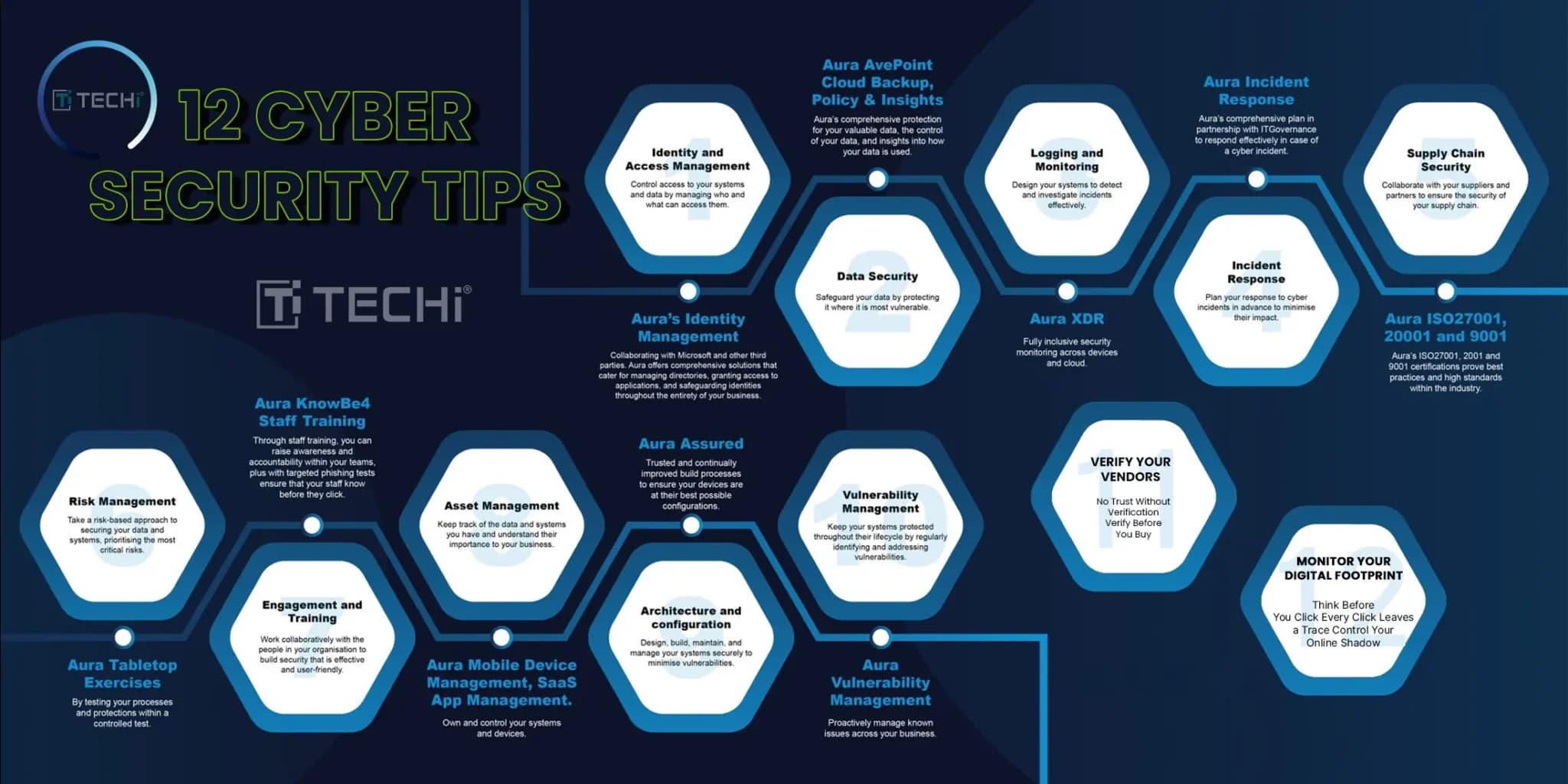
TECHi has already covered the broader consumer-security basics in its guide to cybersecurity tips everyone should know. This article narrows that lens to gaming purchases, where entertainment, identity, and payments meet. It also connects with the bigger digital-ownership shift TECHi tracked in Nintendo's move toward Virtual Game Cards. The direction is clear: game ownership is becoming more flexible, but also more account-dependent.
That makes payment discipline part of gaming discipline. The smartest setup is boring by design: a unique password, MFA, a limited payment method, receipts saved, region rules checked, and no private-code sharing. It will not make every platform perfect. It will make you a harder target than the player who treats every checkout pop-up as harmless.
Bottom Line
In-game purchases are not going away. They are too central to modern gaming economics. What should go away is the casual habit of tying every game account directly to a primary card and hoping the platform catches every bad actor. Prepaid methods, reputable marketplaces, and basic identity hygiene give players something better: distance between the game they love and the money they cannot afford to lose.


Comments