
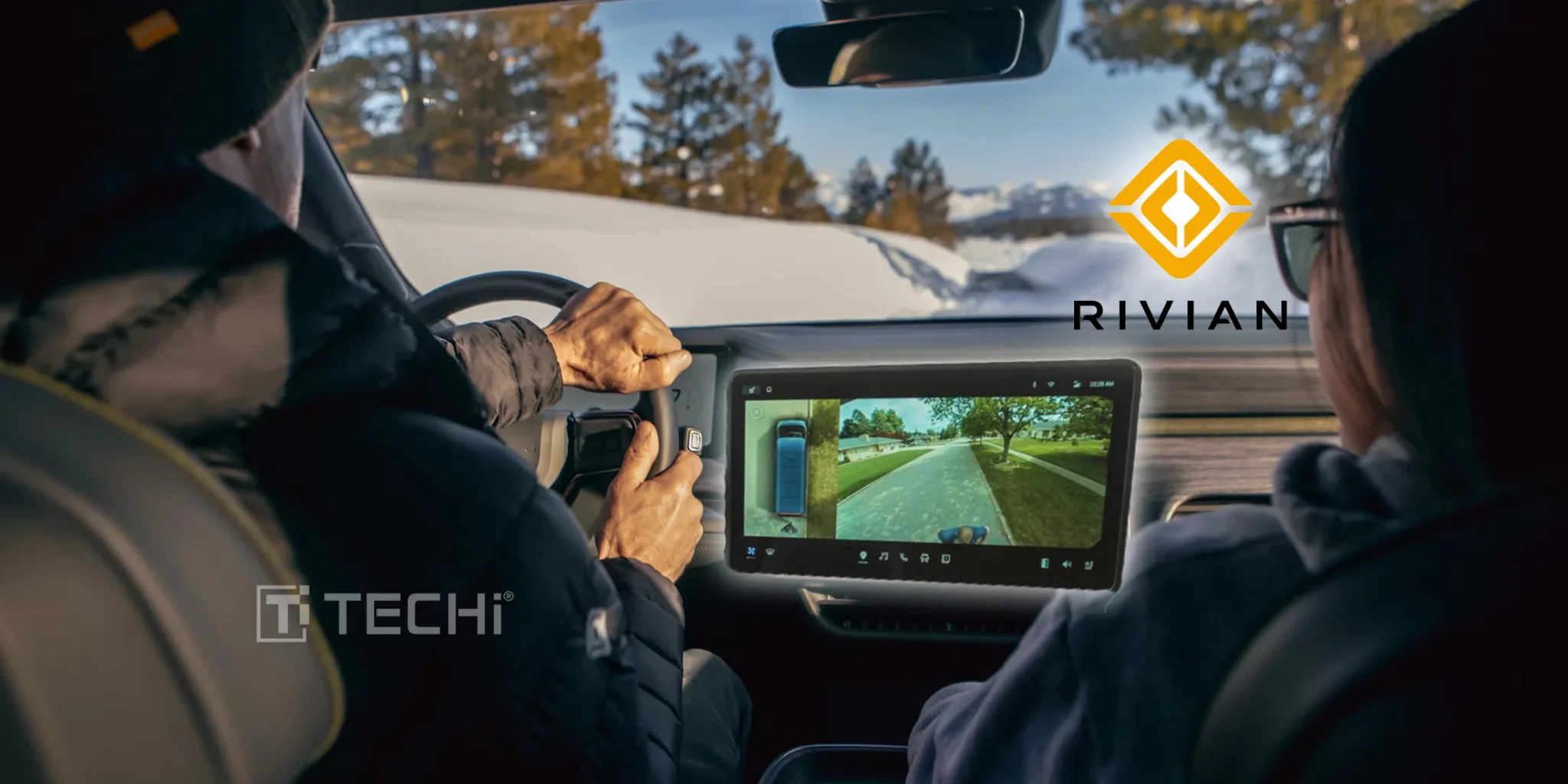
In the electric vehicle world, where performance and range tend to be the big highlight, Rivian is keeping everyone’s feet on the ground by reminding us that software is just as important, perhaps even more so. The electric vehicle startup’s aggressive move to revamp its in-car navigation with a custom-flavored Google Maps is not merely a technological enhancement; rather, it’s a point of distinction where user experience is the new horsepower. Rivian didn’t opt for a plug-and-play solution; it went in for working with Google at the API level to incorporate its own EV-centric capabilities directly into the map. That level of control isn’t just unusual in automotive technology; rather, it’s forward-thinking. [Image: Rivian's custom in-car navigation screen powered by Google Maps, showing route planning and charging station info.] Perhaps one of the most common criticisms from EV buyers across brands is bad navigation, particularly range anxiety and charging stops. Rivian’s decision to blend Google Maps with its own EV reasoning (such as charging scores and trip planning) specifically addresses those issues. Drivers now enjoy the familiar comfort of Google Maps with Rivian added intelligence of less app-switching headache and more driving confidence. It’s a strategy that is in keeping with what made Tesla successful in the first place, a software that was ahead of the competition. Although, as opposed to Tesla’s closed system, Rivian is embracing strategic openness and is inviting Google along, but on its own terms. That blend of control and cooperation might be its actual innovation. From Google’s point of view, if this model succeeds, we may see a shift in the way Google scales its Maps across industries outside of auto. However, there is a concern about the privacy implications of greater Google integration. But as cars turn into rolling computers, that’s the cost-benefit compromise consumers are being asked to make more and more. With this alliance, Rivian is not only playing catch-up with others in the industry, it’s attempting to set a new standard for EV software ecosystems. Through combining its own capabilities with Google’s mapping expertise, the company is building an experience designed not only for drivers, but for the road itself.

Comments