
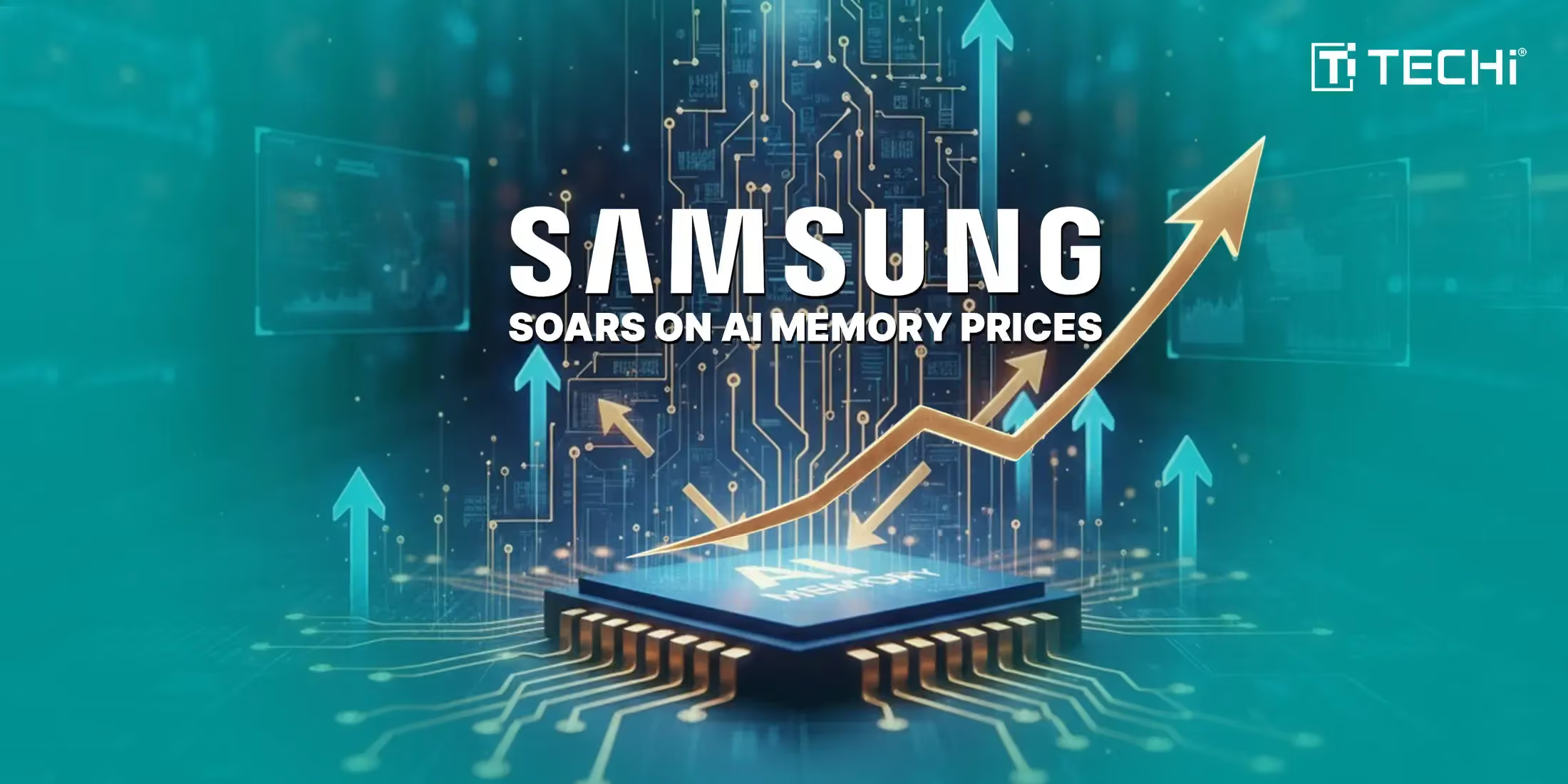
The Samsung Electronics shares recorded a new high after a local media company reported that Samsung prices had soared precipitously on the forthcoming high-bandwidth memory (HBM) chips. This growth rate contributed to the optimism within the Korean semiconductor industry and shifted investor interest to companies focused on artificial intelligence.
At the same time, SK Hynix was also enjoying a price increase, which was fueled by the anticipation that the company would also follow a similar price trend on its own advanced memory products. The Chosun Ilbo reported that Samsung has been bargaining prices of its new HBM4 chips at around twenty to thirty per cent higher than the price of the previous model. This implies the long-run demand despite the customers being faced with high costs.
AI demand boosts pricing power
High-bandwidth memory is an essential part of the more sophisticated processors used in artificial intelligence applications. Companies like NVIDIA rely on these chips to power data centers and big data processing centers. Considering that the supply of memory across the globe is limited, semiconductor producers now exercise more of their price power than they did in the past years.
This shift is consequential for investors: historically, memory markets have experienced severe price volatility. Currently, suppliers are able to defend profit margins and pass higher costs to consumers without a notable drop in demand, indicating improved pricing power and market resilience.
Profit outlook improves significantly
Both entities are expected to perform well in the first quarter. It has been estimated that Samsung will record an operating profit of about 32 trillion won, and SK Hynix might record over 28 trillion won. In case these estimates come to fruition, the numbers would denote one of the most active earning periods the companies have experienced so far. Samsung is already in mass production of its HBM4 chips. This will allow quick deployment when customers scale their artificial-intelligence infrastructure.
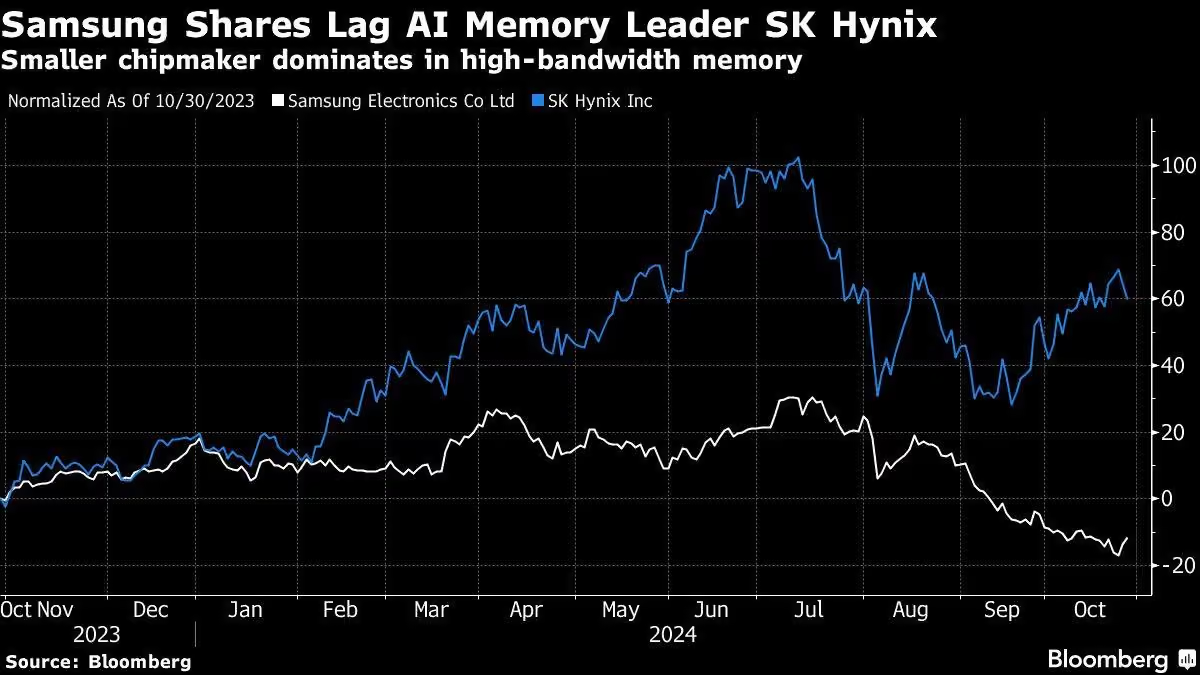
This is what will happen to investors
The recent price increase stresses the strong connectivity between future earnings and the demand for AI-oriented memory. In case the current supply limitations continue till 2026, both companies are poised to produce a sustainable increase in profits and solid cash-flow production. Now, investors will question the price of contracts and delivery volumes because these indicators will determine the next stage of the memory cycle.

Disclaimer
This article is for informational purposes only and does not constitute financial, investment, tax, or legal advice. Market data, tax rules, and prices can change after the article date. TECHi and its authors may hold positions in securities or digital assets mentioned. Always conduct your own research and consult a licensed financial, tax, or legal professional before making decisions.
About the Author
Dr. Layloma RashidLayloma Rashid writes about AI platforms, semiconductor companies and enterprise technology for TECHi. Her portfolio covers model releases, chip trade and export policy, cloud services and public-company results. Her articles connect product and infrastructure developments with the businesses selling and financing them.

Comments