
- New angleStarlink's strongest moat is not only the constellation. It is the country-by-country permission ledger that decides where satellite capacity can become legal service.
- Live reachThe official Starlink availability file showed 163 active country-level markets on May 18, 2026 when 'available' and 'launched' statuses are counted together.
- Next waveAnother 42 markets were marked as starting in 2026, with Africa, smaller island markets, and frontier telecom geographies carrying much of the next expansion.
- Regulatory choke pointsIndia, Pakistan, Thailand, Turkey, Vietnam, Brunei, and Saudi Arabia sit in the regulatory-watch bucket, making Asia the biggest swing region.
- Hard limitsChina, Russia, North Korea, Syria, Afghanistan, Hong Kong, Macau, and Belarus are blacklisted in the map data; Ukraine, Cyprus, and Georgia are excluded and need separate interpretation.
Starlink does not have a coverage problem in the ordinary sense. The satellites can cross almost every sky. The harder question is which governments let that capacity become a paid, legal, supported internet service.
That is the undercovered Starlink story. TECHi has already looked at Starlink as a global internet alternative, at its India path, at Pakistan's NOC milestone, and at the Vietnam trial. This article reads the map as a business document: a country-permission ledger that explains where Starlink's moat is getting wider and where it still hits a wall.
The map is the business
Starlink's own public availability file is more revealing than a marketing map. Pulled on May 18, 2026, its country-level layer contained 255 admin0 entries: 11 marked available, 152 launched, 74 coming soon, 3 pending regulatory approval, 8 blacklisted, 3 excluded, and 4 unknown. The public Starlink map then turns those statuses into a buyer-facing availability experience.
The key distinction is simple: a satellite footprint is physics, but service availability is permission. A country that is marked coming soon is not just waiting for a passing satellite. It may need spectrum clearance, import approval for terminals, lawful-intercept rules, tax registration, telecom licensing, a local partner, or a political decision that foreign satellite broadband is acceptable.
Starlink availability country table
For this table, TECHi counts 'available' and 'launched' as active service markets. 'Starting in 2026' is separated from regulatory-watch markets because a dated rollout is different from a pending government approval. The table includes countries and territories in Starlink's public map layer, so readers should treat it as a service-market table, not a United Nations membership list.
Region | Active now | Next / regulatory | Blocked / excluded / unknown |
|---|---|---|---|
Africa | 29: Benin; Botswana; Burundi; Cape Verde; Central African Republic; Chad; DR Congo; Eswatini; Ghana; Guinea-Bissau; Kenya; Lesotho; Liberia; Madagascar; Malawi; Mayotte; Mozambique; Niger; Nigeria; Réunion; Rwanda; Saint Helena, Ascension and Tristan da Cunha; São Tomé and Príncipe; Senegal; Sierra Leone; Somalia; South Sudan; Zambia; Zimbabwe | Starting in 2026 (19): Angola; Burkina Faso; Cameroon; Comoros; Equatorial Guinea; Gabon; Gambia; Guinea; Ivory Coast; Mali; Mauritania; Mauritius; Namibia; Republic of the Congo; Seychelles; Tanzania; Togo; Tunisia; Uganda | Unknown (11): Algeria; British Indian Ocean Territory; Djibouti; Egypt; Eritrea; Ethiopia; Libya; Morocco; South Africa; Sudan; Western Sahara |
Americas | 42: Antigua and Barbuda; Argentina; Bahamas; Barbados; Bolivia; Brazil; Canada; Caribbean Netherlands; Cayman Islands; Chile; Colombia; Costa Rica; Dominica; Dominican Republic; Ecuador; El Salvador; Falkland Islands; French Guiana; Guadeloupe; Guatemala; Guyana; Haiti; Honduras; Jamaica; Martinique; Mexico; Montserrat; Panama; Paraguay; Peru; Puerto Rico; Saint Barthélemy; Saint Martin; Saint Pierre and Miquelon; Saint Vincent and the Grenadines; Sint Maarten; Trinidad and Tobago; United States; United States Minor Outlying Islands; United States Virgin Islands; Uruguay; Venezuela | Starting in 2026 (11): Anguilla; Aruba; Belize; Bermuda; British Virgin Islands; Curaçao; Grenada; Saint Kitts and Nevis; Saint Lucia; Suriname; Turks and Caicos Islands | Unknown (3): Cuba; Greenland; Nicaragua |
Asia | 24: Armenia; Azerbaijan; Bahrain; Bangladesh; Bhutan; Indonesia; Israel; Japan; Jordan; Kazakhstan; Kuwait; Malaysia; Maldives; Mongolia; Oman; Philippines; Qatar; Singapore; South Korea; Sri Lanka; Tajikistan; Timor-Leste; United Arab Emirates; Yemen | Starting in 2026 (5): Cambodia; Kyrgyzstan; Laos; Turkmenistan; Uzbekistan. Regulatory watch (7): Brunei; India; Pakistan; Saudi Arabia; Thailand; Turkey; Vietnam | Blacklisted (6): Afghanistan; China; Hong Kong; Macau; North Korea; Syria. Excluded (1): Georgia. Unknown (7): Iran; Iraq; Lebanon; Myanmar; Nepal; Palestine; Taiwan |
Europe | 42: Åland Islands; Albania; Austria; Belgium; Bulgaria; Croatia; Czechia; Denmark; Estonia; Faroe Islands; Finland; France; Germany; Gibraltar; Greece; Guernsey; Hungary; Iceland; Ireland; Isle of Man; Italy; Jersey; Kosovo; Latvia; Liechtenstein; Lithuania; Luxembourg; Malta; Moldova; Netherlands; North Macedonia; Norway; Poland; Portugal; Romania; Slovakia; Slovenia; Spain; Svalbard and Jan Mayen; Sweden; Switzerland; United Kingdom | Starting in 2026 (3): Bosnia and Herzegovina; Montenegro; Serbia | Blacklisted (2): Belarus; Russia. Excluded (2): Cyprus; Ukraine. Unknown (4): Andorra; Monaco; San Marino; Vatican City |
Oceania | 22: American Samoa; Australia; Christmas Island; Cocos (Keeling) Islands; Cook Islands; Fiji; Guam; Kiribati; Marshall Islands; Micronesia; Nauru; New Zealand; Niue; Norfolk Island; Northern Mariana Islands; Papua New Guinea; Pitcairn Islands; Samoa; Solomon Islands; Tonga; Tuvalu; Vanuatu | Starting in 2026 (4): French Polynesia; Palau; Tokelau; Wallis and Futuna | Unknown (1): New Caledonia |
Polar / other | 4 active Antarctic entries: Antarctica; Bouvet Island; Heard Island and McDonald Islands; South Georgia | No 2026 entries in the polar layer | Unknown (6): French Southern and Antarctic Lands plus Starlink internal map zones Pseudo-Accents, XC, XJ, XO, and XS |
Two cautions matter. First, some Starlink map entries are territories or internal map zones rather than ordinary country names. Second, national availability does not guarantee address-level capacity, roaming permission, maritime service, aviation service, mobile service, or hardware availability in every part of that market.
Why 163 still is not the same as global
The headline number is impressive, but it hides the real constraint. Starlink can be active across more than 160 country-level markets and still be absent from some of the most strategically important populations. The open markets are often rural-heavy, island-heavy, frontier, or high-income territories where satellite broadband fills a clear gap. The closed or regulatory markets are often where telecom is tied to national security, industrial policy, state carriers, military geography, or data-control rules.
That is why Starlink's map should be read more like a telecom treaty book than a coverage map. The constellation supplies the possibility of service. The local license turns possibility into revenue. The moat grows when Starlink learns how to pass that approval process repeatedly without becoming a local political problem.
Asia is the swing region
Asia has only 24 active markets in this pull, but it contains seven of the most important regulatory-watch names: Brunei, India, Pakistan, Saudi Arabia, Thailand, Turkey, and Vietnam. That list matters more than a simple count because it contains high-population, high-defense-sensitivity, and high-telecom-policy markets where Starlink could move from niche rural broadband into national infrastructure debates.
India and Pakistan show the difference between public momentum and commercial certainty. A government green light, NOC, trial, or carrier agreement is not the same as full retail scale. The harder phase is usually after the headline: equipment import, spectrum coordination, lawful-intercept compliance, customer support, pricing, tax, and the politics of letting a foreign satellite network bypass terrestrial bottlenecks.
The next wave is not only rich-world broadband
The 2026 queue shows Starlink's expansion moving heavily through Africa, the Caribbean, the Pacific, and smaller European frontier markets. That fits the company's own 2025 progress report framing, which says Starlink added more than 4.6 million new active customers in 2025 and expanded service to 35 additional countries, territories, and other markets. The pattern is not just about selling to remote cabins. It is about giving governments, ships, aircraft, disaster agencies, mines, NGOs, and mobile operators a second path when terrestrial networks are fragile.
That is also why the service can become politically sensitive. In a wealthy market, Starlink may look like backup broadband. In a fragile market, it can look like parallel national infrastructure. The same terminal can be framed as resilience by one ministry and as loss of control by another.
Direct to Cell adds a second permission layer
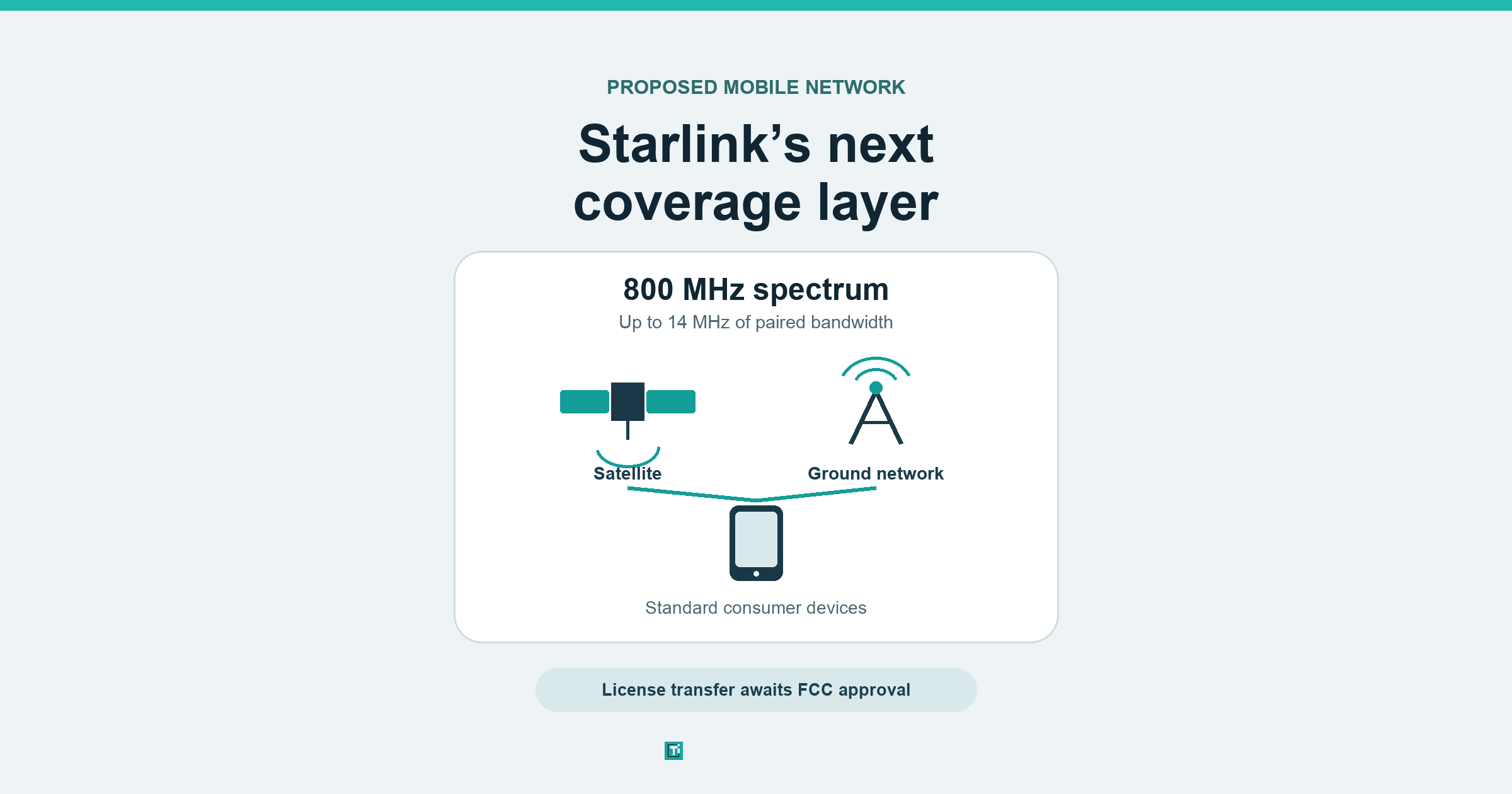
Starlink's Direct to Cell strategy makes the permission map even more important. SpaceX's own February Direct to Cell update said the service was live in the United States and New Zealand, that partners provide LTE spectrum in the 1.6 GHz to 2.7 GHz range, and that the system integrates like a roaming partner rather than replacing every mobile network. The same Starlink update also named Australia, Ukraine, Canada, Switzerland, Chile, Peru, and Japan as countries in the commercial-launch preparation pipeline.
That turns each country into two approvals, not one. Starlink needs fixed satellite broadband permission, and Direct to Cell needs mobile-spectrum cooperation with local carriers and regulators. In January 2026, the FCC said SpaceX had authorization for an additional 7,500 Gen2 Starlink satellites and that the decision supported direct-to-cell connectivity outside the United States plus supplemental coverage within the U.S. The technical path is opening. The licensing path remains local.
What this means for SpaceX and its rivals
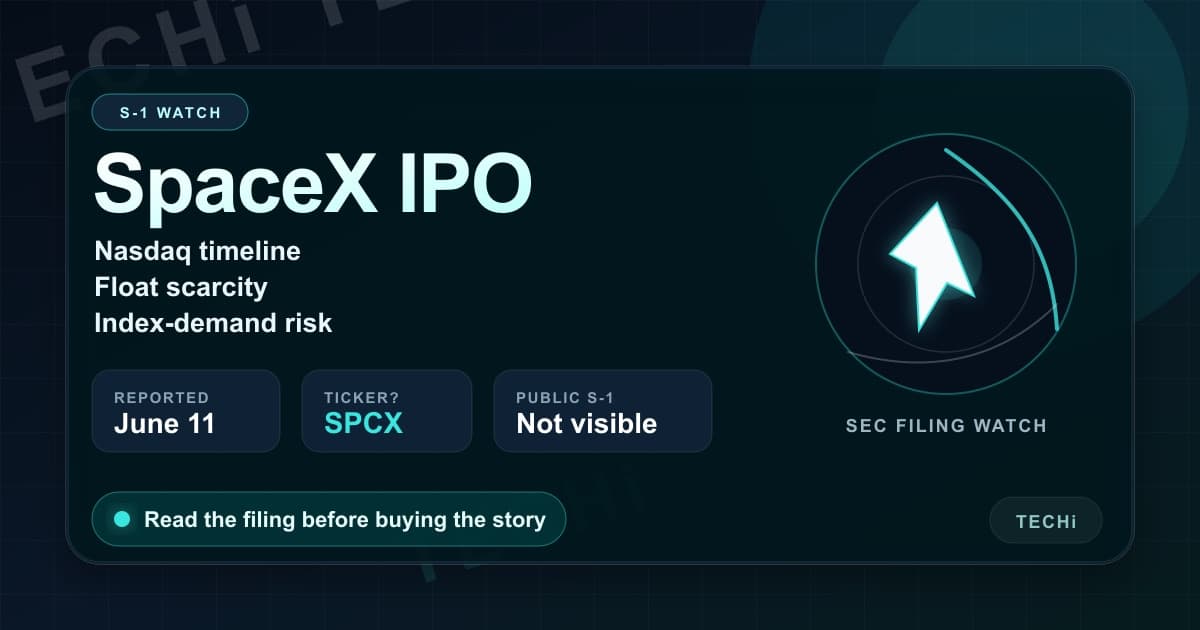
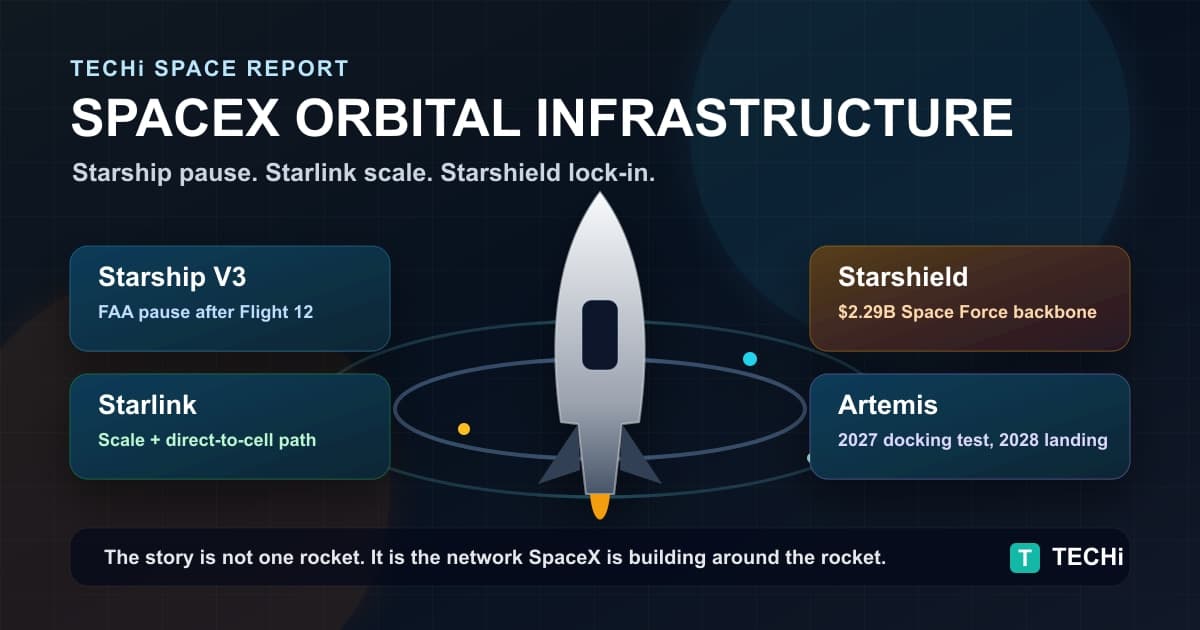
For SpaceX, the country map matters because Starlink is no longer just a subscriber product inside a rocket company. It is part of the case investors will study if the SpaceX IPO story moves from speculation to public filings. The high-quality question is not only how many satellites SpaceX launches. It is how many regulated telecom markets convert into durable, low-churn, defensible revenue.
For Amazon's Kuiper and other rivals, the lesson is harsher. A satellite-internet race is not won only in orbit. TECHi's look at Project Kuiper's challenge showed how launch cadence and constellation deployment matter. The Starlink availability table adds the next layer: the winner also needs distribution permission, local compliance muscles, carrier relationships, and the patience to turn a sky network into a country-by-country utility.
Bottom line
Starlink's greatest advantage is that it can put internet capacity almost anywhere. Its greatest constraint is that it must still ask permission almost everywhere. That tension is the company in one sentence.
The country table shows a business that is already broad, but not finished; powerful, but not frictionless; global in engineering, but local in law. The next Starlink story will not be written only by SpaceX engineers or Falcon 9 launches. It will be written by telecom regulators, mobile operators, customs agencies, defense ministries, and the millions of people who live where the last mile never arrived.
FAQ
Frequently asked questions
How many countries is Starlink available in as of May 18, 2026?
TECHi counted 163 active country-level Starlink markets in the public availability file when the statuses available and launched are grouped together. The count includes countries and territories in Starlink's map layer.
Which countries are in Starlink's regulatory-watch bucket?
The May 18, 2026 pull placed Brunei, India, Pakistan, Saudi Arabia, Thailand, Turkey, and Vietnam in the regulatory-watch bucket, using pending regulatory approval status and coming-soon entries marked pending regulatory approval.
Which countries are blacklisted in the Starlink map data?
The public map data marked Afghanistan, Belarus, China, Hong Kong, Macau, North Korea, Russia, and Syria as blacklisted in the May 18, 2026 pull.
Does country-level availability guarantee service at every address?
No. Starlink country-level status does not guarantee capacity, hardware availability, roaming permission, aviation, maritime, mobile, or address-level residential service everywhere in that market.
Why does Direct to Cell make regulation more important for Starlink?
Direct to Cell depends on mobile network operator partnerships and local spectrum rules, so Starlink needs both satellite-broadband permission and mobile-spectrum cooperation in each market.

About the Author

Omer Sheikh covers Tesla and SpaceX as public-market stories, from the federal audit of Cybercab's safety certification to how much more SpaceX now spends on AI than on rockets. He also follows the capital moving through AI, including Nvidia's reported talks to anchor Anthropic's IPO and Intel's $15 billion request to investors.


Comments