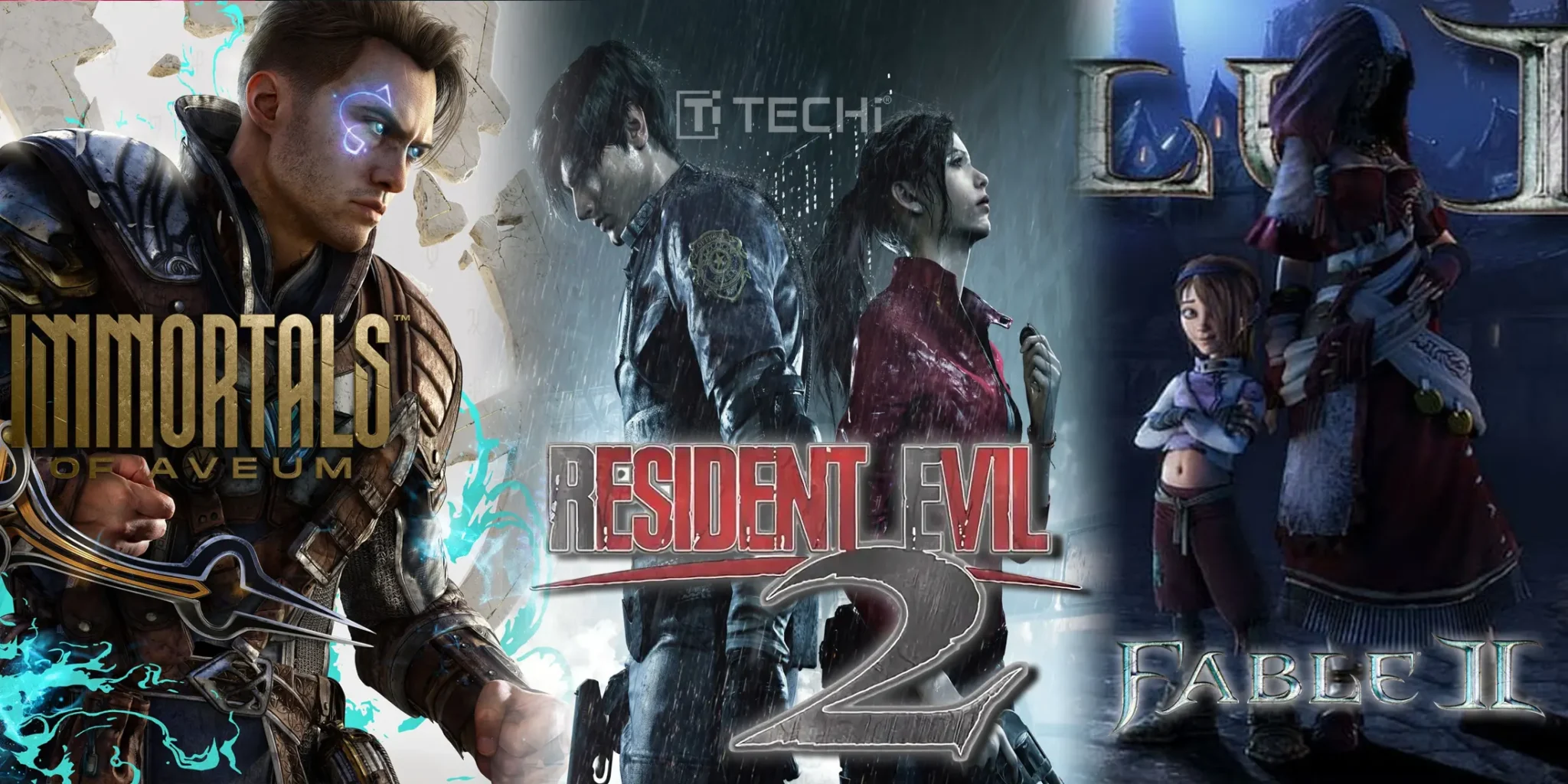
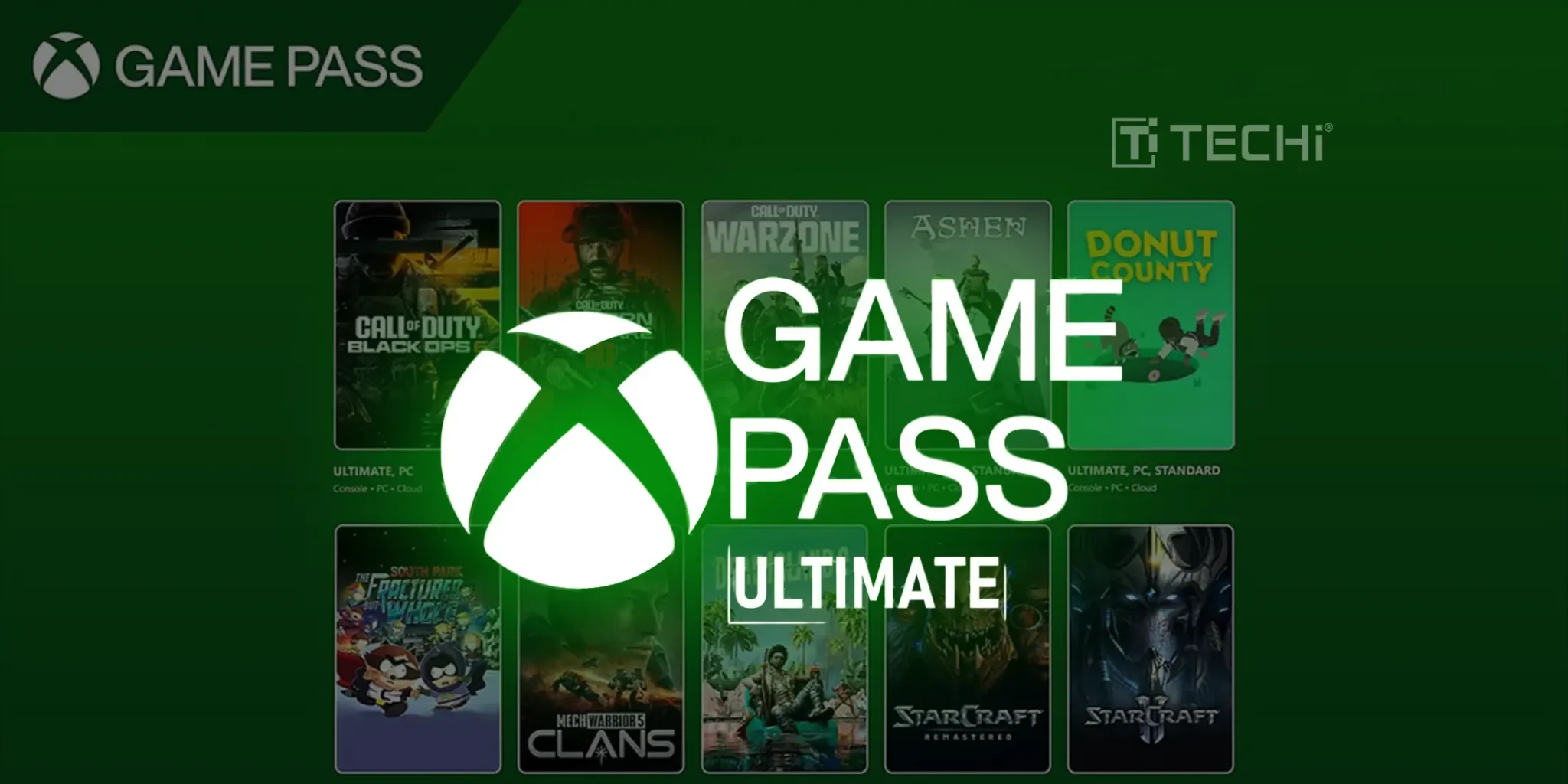
Microsoft closed the book on September's Game Pass schedule this morning, and the number is thirteen. That is the second wave alone, running from September 17 through October 7. Add the six titles that landed in the first half of the month and September delivers eighteen games to the service — a month that answers the "is Game Pass a buffet or a curated menu" question by declining to pretend it is a menu.
RoadCraft went live today on Cloud and Xbox Series X|S for Ultimate and Standard subscribers. From tomorrow the pace does not let up: Call of Duty: Modern Warfare III and For the King II arrive on Standard, Overthrown enters Game Preview, and Deep Rock Galactic: Survivor hits Ultimate and PC Game Pass. Frostpunk 2 follows on the 18th, Hades returns to the service on the 19th across Ultimate, PC and Standard, and Endless Legend 2 arrives day one in Game Preview on the 22nd. Visions of Mana and, yes, Peppa Pig: World Adventures show up on the 25th, with Lara Croft and the Guardian of Light closing the month on the 30th. The full slate is on Xbox Wire.
The one that mattered was already here
None of that is the month's headline. That happened on September 4, when Hollow Knight: Silksong launched day one on Game Pass Ultimate and PC Game Pass alongside Cataclismo, and proceeded to break things. Silksong peaked at 587,150 concurrent players on Steam on September 6 — good enough for a top-20 placement in Valve's all-time chart, and that figure counts only Steam. It does not include Xbox, PlayStation, Switch, or anyone playing it through the subscription that Microsoft is selling.
Which is the tell. The strongest argument for a $19.99 Ultimate subscription in September 2025 came from Team Cherry, a three-person Australian studio with no relationship to Microsoft beyond a distribution deal. The second-strongest is a 2020 roguelike making a return trip. Microsoft's own big fantasy swing, Playground's Fable, slipped to 2026 back in February and is not filling this hole. The first-party pipeline is not what is carrying the service right now. Third-party volume is.
Eighteen games, three sets of rules
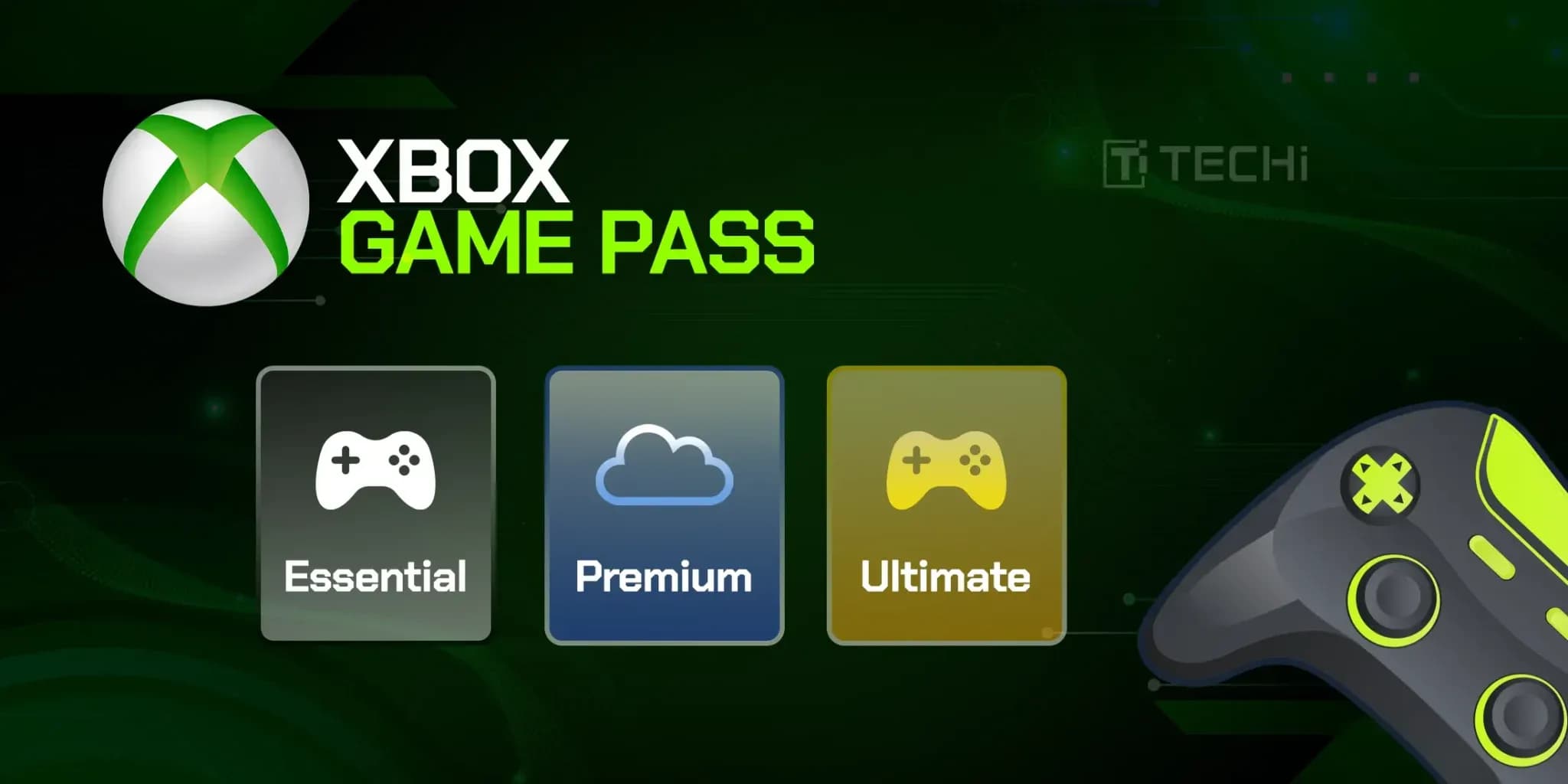
The real friction is not the count. It is that the count arrives fragmented. Modern Warfare III is a Standard-tier console title. Frostpunk 2 is Ultimate-only. Deep Rock Galactic: Survivor skips Standard entirely. Hades is on everything. A subscriber looking at eighteen new games is actually looking at three overlapping and differently-shaped libraries, and the tier they pay for determines which of the eighteen are real to them.
That is the discovery tax, and it is worse than a long list. A long list you can scroll. A list where roughly half the entries resolve to an upsell prompt trains you to stop scrolling.
What the tile row decides for you
Meanwhile the storefront makes the choice anyway. Eighteen additions in a month means the interface, not the subscriber, decides which four or five get seen. Modern Warfare III and Hades will occupy the front row because they are the names that justify the invoice. Cataclismo, Sworn, Overthrown and Sopa: Tale of the Stolen Potato — the last of which is a day-one release on October 7 — get a slot in a horizontal carousel that most people never reach the end of.
The pattern is familiar from every other subscription surface. Netflix's Top 10 row concentrates attention on ten titles out of thousands, and the effect is self-fulfilling: placement drives watch time, watch time justifies placement. Spotify's algorithmic playlists do the same to music discovery, routing listeners toward what the model already predicts they will finish. In each case the promise is that curation solves abundance. What it does is relocate the choice from the subscriber to the platform.
Game Pass has spent years being praised as a discovery engine — the place where a small game gets in front of an audience it could never buy. That is true, and Silksong's September proves a version of it. But discovery on a platform this large is a scarce, allocated resource, and the allocating is done by whoever owns the front row.
Eighteen games is a good month by any reasonable measure, and Ninja Gaiden fans should note the Sigma trilogy leaves on the 30th. The open question is not whether Microsoft is putting enough into the library. It is whether a subscriber can still find the thing they would have chosen on their own.

About the Author

Qaiser Sultan writes about AI risk, crypto prices and online economies. He has covered Anthropic raising its misalignment risk label after cyber disclosures, how the Ether price looks after a brutal first half and how Roblox's Limited collectibles became real money, and he contributes to TECHi's Two Takes.
Comments