



Introduction
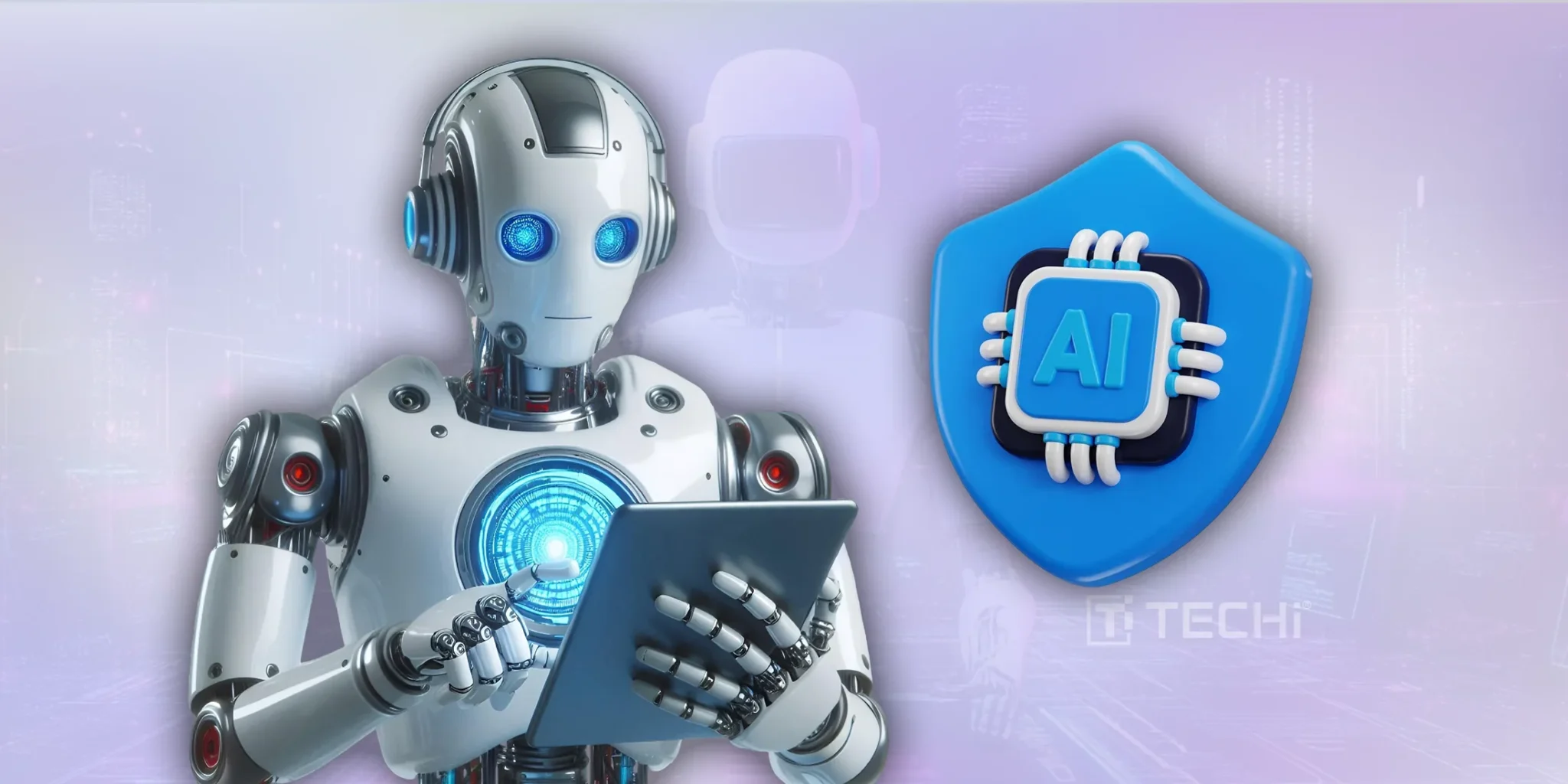
Over the past three years, businesses worldwide have experienced an unprecedented shift in how work gets done. From fully remote setups to a gradual return to office spaces, hybrid work has become the new standard. Amid this transformation, the rapid rise of AI is reshaping team collaboration, meeting formats, and the broader workplace ecosystem. Industry surveys consistently find that most companies plan to expand AI use in daily office operations over the next two years—an approach that not only boosts efficiency but also fundamentally enhances the employee experience.
The Current Landscape and Challenges of Hybrid Work
Hybrid work—where some employees are on-site while others work from home—offers clear benefits, such as increased flexibility and improved talent attraction and retention. Yet, it also brings a set of new challenges: coordinating across time zones, maintaining meeting efficiency, and preventing communication gaps. Surveys of business leaders repeatedly find that ensuring remote employees participate equally in meetings is a major challenge.
Consider a multinational team meeting: if remote participants struggle to see slides or hear discussions, decision-making slows, and information gets repeated unnecessarily. Traditional meeting room setups and software solutions often fall short in bridging this gap, leaving teams frustrated and collaboration less effective.

Empowering Hybrid Work: Harnessing Technology for a New Era of Efficient Collaboration
Hybrid work is reshaping the way companies operate daily. Most organizations have now incorporated remote or hybrid meetings into their long-term strategies, with AI technology emerging as a key driver of this transformation.
- AI Meeting Assistants: Making Every Discussion Count
In traditional hybrid meetings, remote employees often miss key information due to unclear audio or language barriers. AI meeting assistants are changing this. For example, Otter.ai can generate real-time captions and meeting notes in Zoom or Microsoft Teams, while Fireflies.ai not only summarizes discussion points automatically but also creates task lists to help team members clarify action items. Teams that adopt AI meeting assistants generally report spending less time on post-meeting follow-up.
- Noise Reduction and Voice Optimization: Remote Work Without Distractions
AI-driven audio processing has also made remote meetings clearer. Tools like Krisp and NVIDIA Broadcast can automatically filter out background noises such as keyboard typing, street sounds, or pets, making the speaker’s voice stand out. Companies that adopt these tools often report stronger participation from remote employees.

- Intelligent Analytics: Extracting Efficiency from Data
AI doesn’t just record meetings—it helps managers optimize decisions. Microsoft Viva Insights, for example, can generate team engagement analyses, meeting efficiency reports, and even suggest ways to reduce redundant meetings. This allows organizations to schedule meetings more scientifically and improve overall execution.
Upgraded Collaboration Tools: Synchronized Participation for Remote and On-site Teams Online collaboration platforms are becoming smarter with AI. Tools like Miro and MURAL can automatically organize brainstorming content and generate flowcharts, enabling both remote and in-office teams to participate and update in real time. Teams using smart whiteboards often report faster turnaround and clearer communication.
- Hardware Matters: Visual Experience Is Key
While AI optimizes the software experience, high-quality hardware remains indispensable. A reliable smart meeting room projector or interactive display ensures that content is presented clearly, especially in large meetings or when multiple participants join remotely. When combined with AI features such as auto-focus, intelligent split-screen, and remote tracking, meetings become more intuitive, and remote employees can enjoy the same level of engagement as those on-site.

- Potential Risks and Challenges
While AI brings numerous benefits to hybrid work, it also introduces new issues:
Data Privacy and Security: AI tools often require access to meeting content and company documents, raising higher demands for information security.
Employee Trust and Adaptability: Some employees may worry about AI monitoring meetings or feel resistant to relying heavily on technology.
Technical Gaps and Training: Employees have varying levels of familiarity with AI tools, requiring companies to invest in training to ensure a smooth transition.
Future Outlook of Hybrid Working
The hybrid work model of the future will be more than just a simple “remote + on-site” arrangement—it will evolve into an AI-driven ecosystem that emphasizes intelligence, flexibility, and efficient collaboration. Companies will be able to optimize meeting workflows, enhance team collaboration, reduce management costs, and provide a more human-centered work experience through AI.
Analysts widely expect that most enterprises will integrate AI into their daily office operations and hybrid meeting management, making AI one of the core technologies driving efficient hybrid work.
Conclusion
The integration of AI with hybrid work is reshaping the modern workplace. From improving meeting efficiency to optimizing cross-location collaboration, AI is no longer just an auxiliary tool—it is becoming a key component of corporate strategy. Organizations that embrace this trend will gain a competitive edge while creating a smarter and more productive work environment for their employees.
Disclaimer
This article is for informational purposes only and does not constitute financial, investment, tax, or legal advice. Market data, tax rules, and prices can change after the article date. TECHi and its authors may hold positions in securities or digital assets mentioned. Always conduct your own research and consult a licensed financial, tax, or legal professional before making decisions.
About the Author

Munazza Shaheen is an AI and technology researcher at TECHi with a deep interest in machine learning, automation, and emerging tech trends. Her work focuses on exploring the impact of artificial intelligence on industries, ethical AI development, and future innovations. She actively follows advancements in deep learning, robotics, and AI-driven solutions, contributing insights into how technology is shaping the world.


Comments