


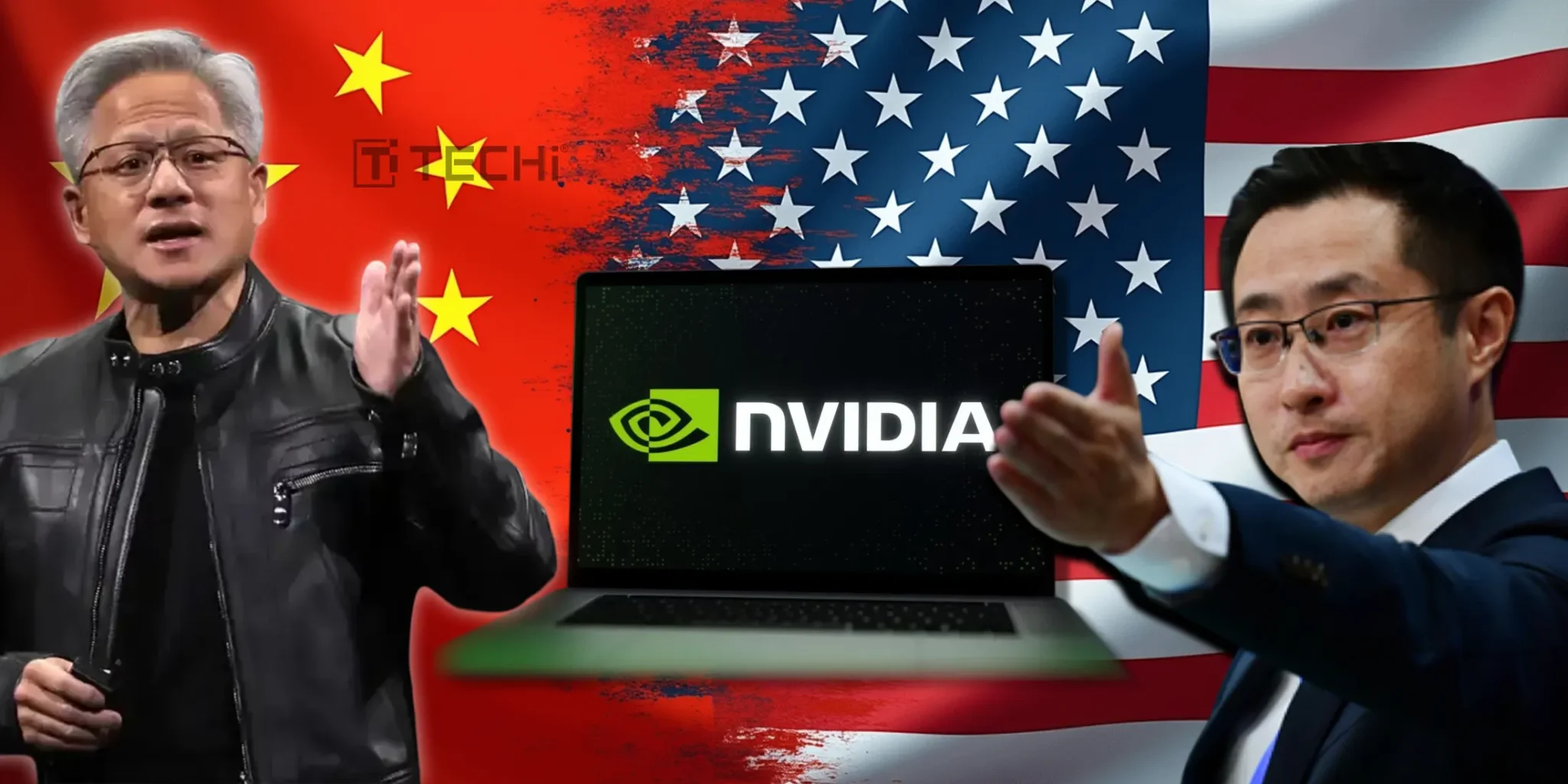
With great power comes great threats and Nvidia might be learning this the hard way. The company just found out that being the world’s most valuable AI Company also exposes you to great vulnerability and no amount of resources or net value would do any good to prevent it. China’s State Administration For Market Regulation (SAMR), has launched an antitrust probe into Nvidia’s 2020 acquisition of Mellanox Technologies.
The Vulnerability of Success
Nvidia’s rise to a $2 Trillion company is a success story for the books. The meteoric success is attributed to its dominance in the AI Chip market. In fact, after crossing $4 trillion in market value during 2025, there has been growing speculation about the company's potential to reach the $10 Trillion milestone.
But the very strength that made it rich, now makes it a target. China didn't pick Nvidia to open this legal front by accident. They could have gone for the Companies like Apple and Tesla that have a significant operation in China. But, Nvidia is leading this race of AI, powering everything from AI Assistants to Self-driving cars.
Hitting Nvidia is like pressing directly on America's tech nerve. It's not the first time that Nvidia is taking the brunt of ongoing US-China tensions. China has recently also discouraged purchases of Nvidia’s H20 chip over security allegations. Hence, Nvidia is suffering from what could be called The Cost of Success.
The Compliance Conundrum
Nvidia is stuck in an impossible spot. Back in 2020, when it bought Mellanox, it followed every rule and abided by the law. China’s Antitrust laws don't pay any heed about fairness, they’re concerned with leverage. It means legal compliance is no shield when governments use regulation as a weapon.
This invokes bigger worry for other giant American corporations operating in China that every multinational is vulnerable in the face of geopolitical realities. For business leaders, this is a huge warning sign. Maybe the law is not broken but bent into a tool of power.
A Preliminary Investigation
Notably, this is only a preliminary investigation. Why not launch a full-scale antitrust case right away? Because that would waste valuable leverage. By keeping the probe open-ended, China preserves the option to escalate or to quietly shelve it, as the Tariff war evolves between China and the US. It's less about compliance and more about holding a bargaining chip to keep a trillion dollar company hostage to get back at its home country.
Between The Two Evils
Nvidia is trapped between two tough choices. It could comply with US export restrictions, which would most likely trigger retaliation from Chinese regulators and cost it access to its largest market; Or it could maintain the access to China, risking U.S sanctions and accusations of acting against national interest.
Nvidia’s predicament marks the end of corporate neutrality in global tech. When your technology steers national competitiveness, your company becomes a national asset and national assets are the ultimate target of external attacks. This level of success comes with the fact that your boardroom decisions are now geopolitical calculations.
Disclaimer
This article is for informational purposes only and does not constitute financial, investment, tax, or legal advice. Market data, tax rules, and prices can change after the article date. TECHi and its authors may hold positions in securities or digital assets mentioned. Always conduct your own research and consult a licensed financial, tax, or legal professional before making decisions.
About the Author

Qaiser Sultan writes about AI risk, crypto prices and online economies. He has covered Anthropic raising its misalignment risk label after cyber disclosures, how the Ether price looks after a brutal first half and how Roblox's Limited collectibles became real money, and he contributes to TECHi's Two Takes.


Comments