
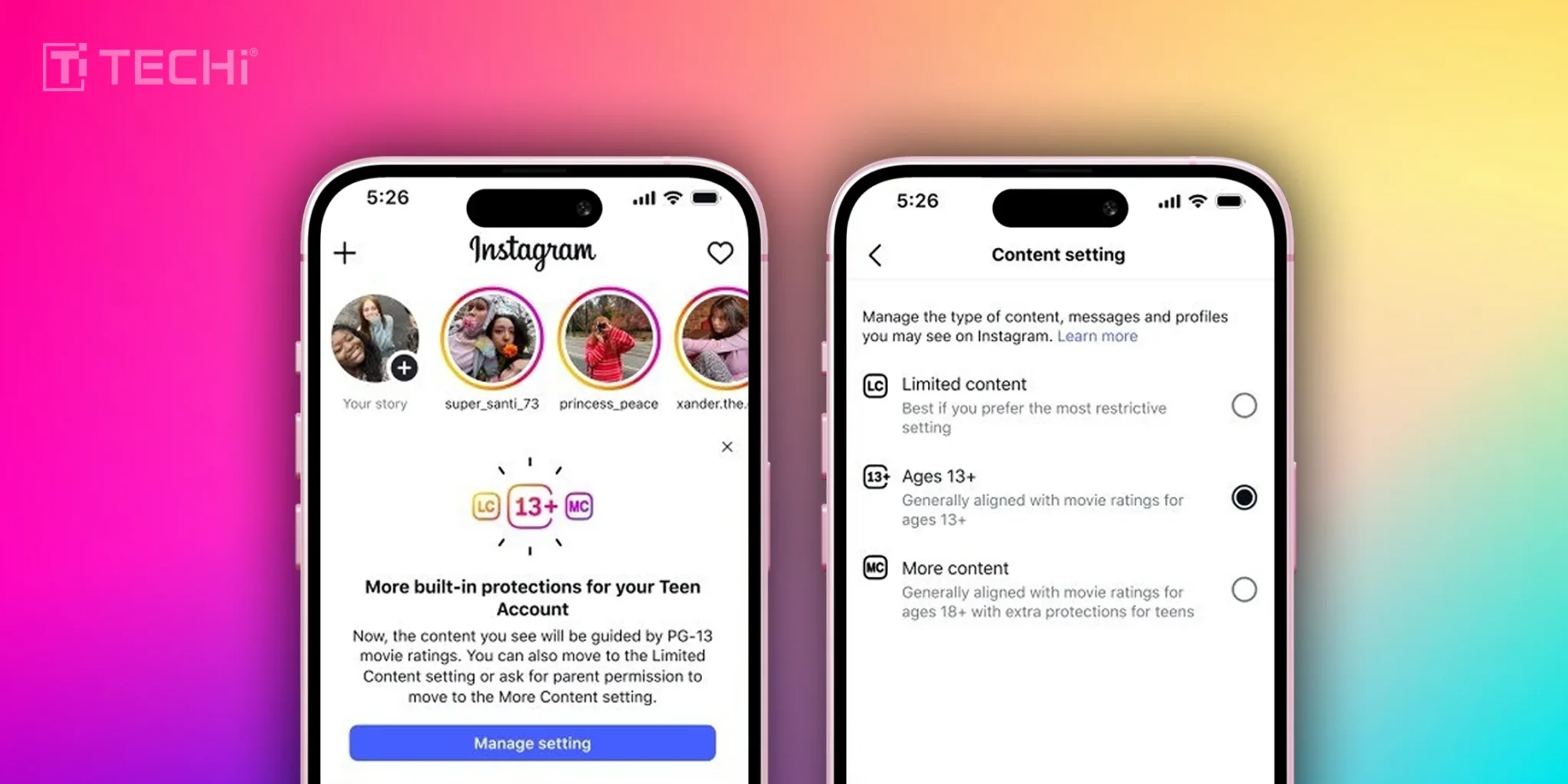
The recent move by Instagram to exercise restrictions on the type of content adolescent users can post is an essential step towards the long-term strategy of the platform to enhance the safety of minors. Under the new policy in place, user accounts run by users under the age of eighteen will default only to show content with a rating of PG-13 or below. As a result, teenagers will not be exposed to content containing high-level violence, nude sex or direct drug abuse. This is a compulsory limit; underage children cannot make any changes to the filter without specific parental or guardian consent. This limit is a part of a broader effort by Instagram to ensure the safety and mental health of its adolescent users. Social media has also faced a lot of criticism as an avenue of exposing young people to harmful material that can make them develop anxiety, misguided self-concepts, and lead to indulging in high-risk behaviors. The use of the PG-13 filter is conspicuously meant to reduce such exposure, at the same time providing parents with augmented control over regulatory power. Complementary, the organization is implementing a kind of filter called a Limited Content that enables the youths to see or leave their comments on the post that is considered inappropriate. Instagram has revealed that such regulation measures will also run on AI-mediated interactions. Starting next year, the company will institute more stringent clauses regarding the use of AI chatbots by adolescents, especially those who use the Limited Content filter. This precaution is taken considering the growing fears about the impact of chatbots on young people. Some previous experiences with OpenAI and Character.AI that had to undergo legal scrutiny over claims of showing harmful or suggestive content to users and minors, in particular led the two to implement more parental controls and limitations. The policy of Instagram emphasizes the active monitoring of such innovations and its desire to keep the top position in digital safety. Besides the current content filters, Instagram is applying stricter standards on the profiles that teenagers can follow or interact with. Young people should not be allowed to subscribe to or follow accounts that are spreading age-inappropriate content. In case a user tries to follow such a user, their access is restricted, and the problematic account will not be able to engage with minors as well nor will it be included in the system of recommendations. These are done to limit exposure of the adolescents to bad trends, bad role models, or groups that support destructive behaviors. Another significant change is aimed at personal direct communications. Instagram is no longer allowing adolescents to receive content that is unacceptable as delivered through DMs. This is a critical intervention since the use of private messaging as a channel through which harmful or explicit content is transmitted has traditionally been among the key channels of such content dissemination. The platform aims to create a safer and more positive online environment by strengthening these controls among teen users. Meta, the parent company of Instagram now bans content that is related to eating disorders and self-harm. This blocked catalogue is expanded in the new update with the addition of terms such terminology like alcohol and gore. Meanwhile, algorithmic improvements are being undertaken to identify misspellings or other orthographic variants of these banned words, and therefore decrease the chances of adolescents bypassing the filters. To increase parental interaction, Instagram is testing a new feature that will allow parents to specify information that they consider inappropriate for minors. There is a special moderating team where flagged posts. This aspect strengthens the collaboration between the parents and the platform, thus institutionalizing collective responsibility for the safety of adolescents. It was rolled out today in the United States, the United Kingdom, Australia and Canada and is expected to be rolled out in the rest of the world next year. The frequent updates on Instagram serve as evidence of the fact that the platform is conscious of the invaluable role of protecting teenagers on the internet. In the context of the era when digital platforms have acquired incredible power over the minds of young people, this intervention is a necessary and timely action. This set of reforms puts Instagram in a new category of not just a rule-making organization, but a new model of how a social media enterprise can balance liberal freedom of expression with security for users.

Comments