


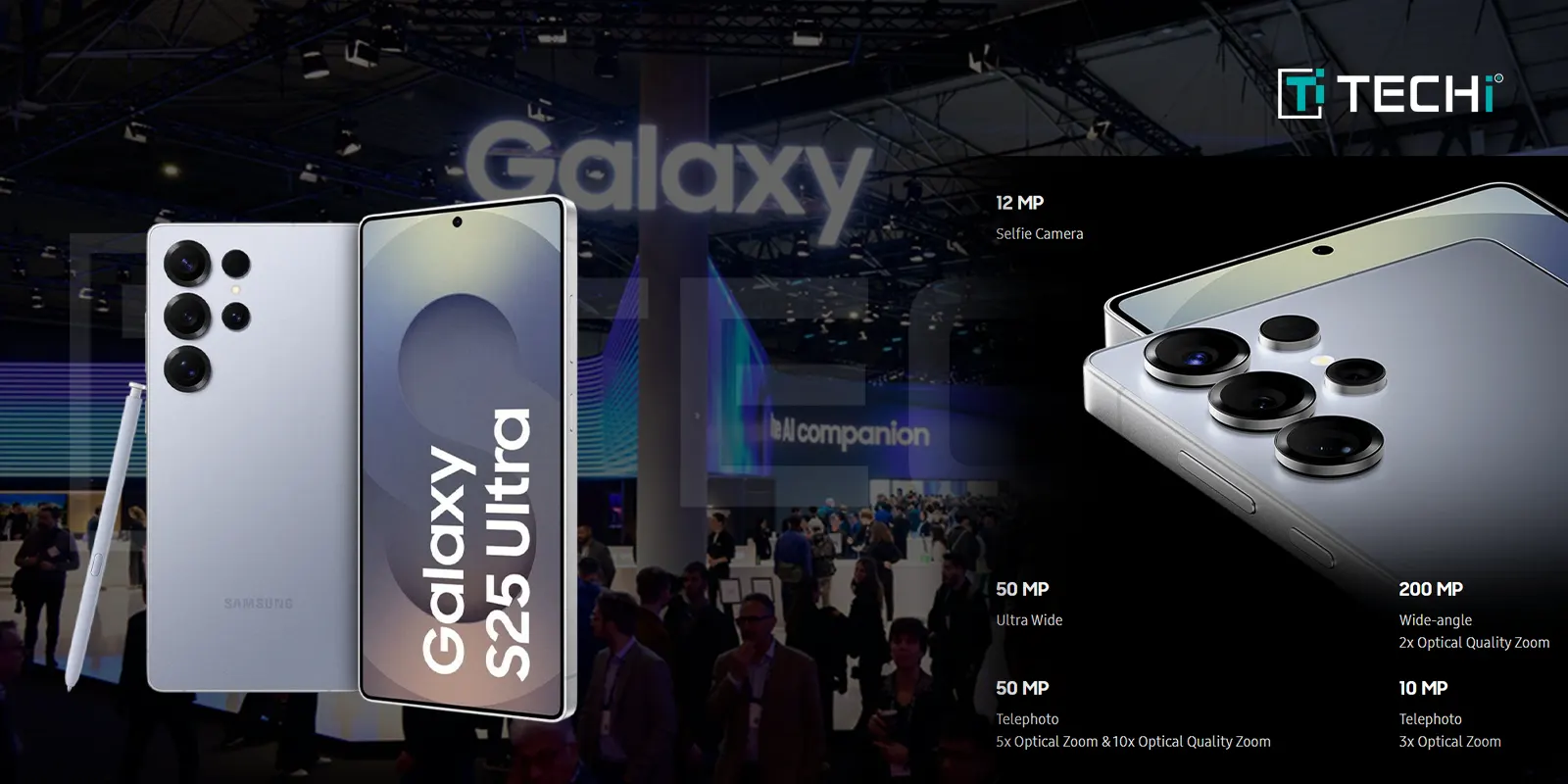
The Mobile World Congress 2025 kicked off in Barcelona on Monday, March 3rd — opened in the presence of King Felipe VI of Spain — and the headline theme on the show floor was the same one running through every device launch this year: artificial intelligence inside the phone. MWC has been the industry's flagship gathering since 1987, back when it was called the "GSM mobile system" conference, and 2025 is the year AI moved from a marketing line item to the centerpiece of every booth.
Samsung built one of the largest booths at the show to showcase its latest AI work, anchored by the True AI Companion experience on the Galaxy S25. The phone launched earlier this year and has been making the right kind of noise ever since — and the demos in Barcelona explained why.
What's worth noting before getting into the features: AI's reach in the mobile category is no longer confined to the phone itself. The same behavioral analysis that's tuning on-device assistants is now reshaping the accessories that protect the device, too. We'll get to that side of the story further down.
A True AI Companion in Your Pocket
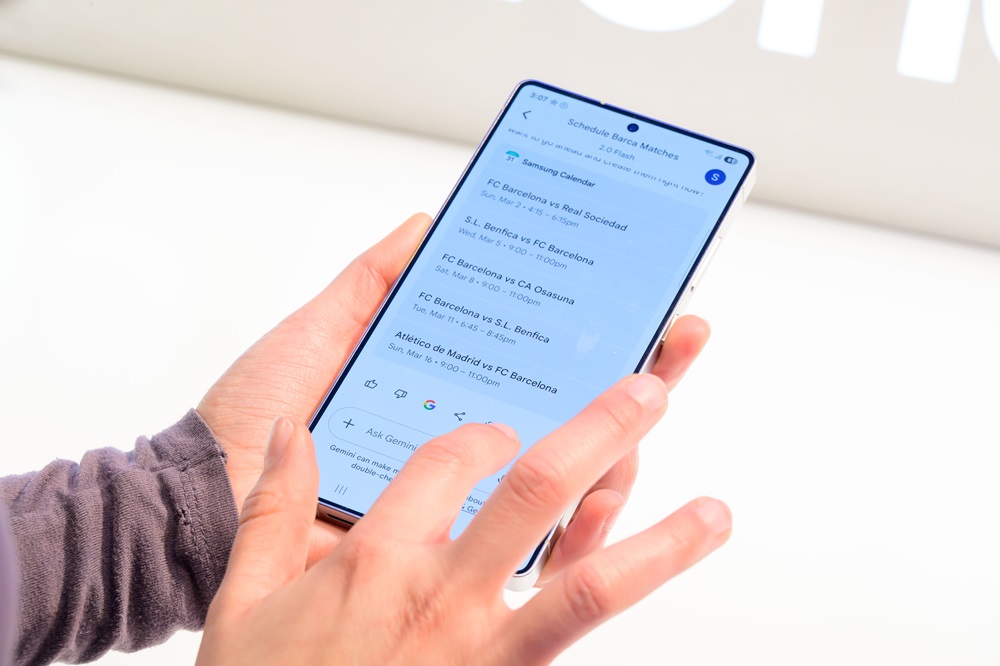
Visitors at the Samsung booth ran live demos showing what AI can do with a single voice command. Ask the phone to find an upcoming event schedule and add it to your calendar, and it completes the task in seconds — finding the dates, creating the entry, and setting reminders without you ever opening an app. It is the kind of small interaction that, multiplied across a day, returns real time to the user and shifts the relationship with the device from "I operate it" to "it anticipates me."
Gemini Live Takes Over From Bixby
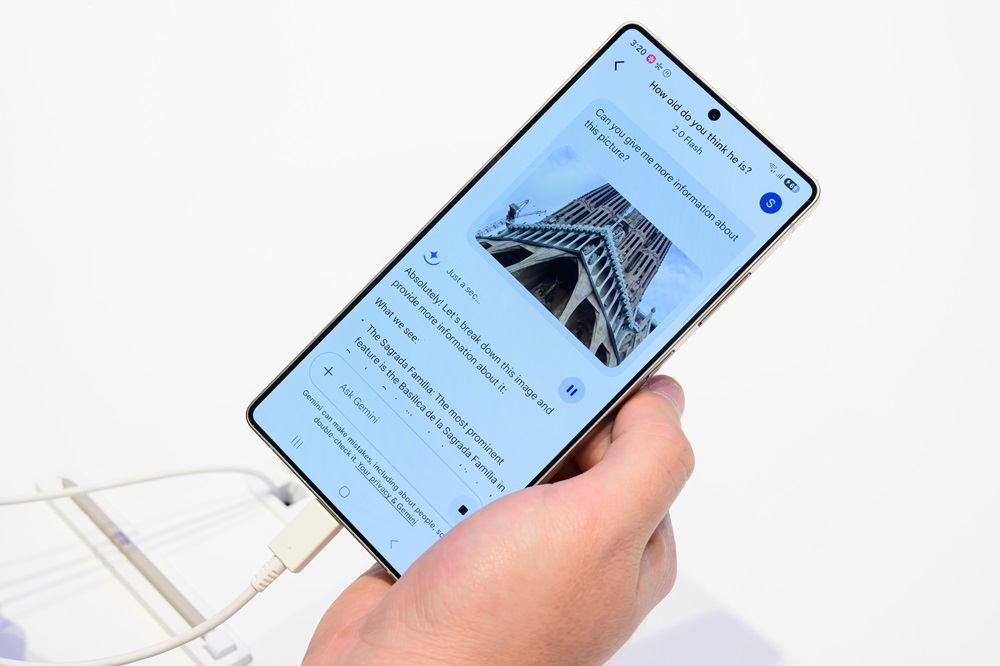
The Samsung booth was full of attendees engaging with Gemini Live, the new on-device assistant that's effectively replaced Bixby on the Galaxy S25 series. Gemini Live brainstorms with the user, learns from each interaction, and accepts multimodal input — text, images, PDF files, even live screen-sharing — so the model can act on what the user is actually looking at, not just what they describe. The shift from a rule-based assistant to a multimodal large-model interface is the single biggest UX change on these phones since the move to multi-touch.
Now Brief: A Personal Assistant That Reads Your Routine
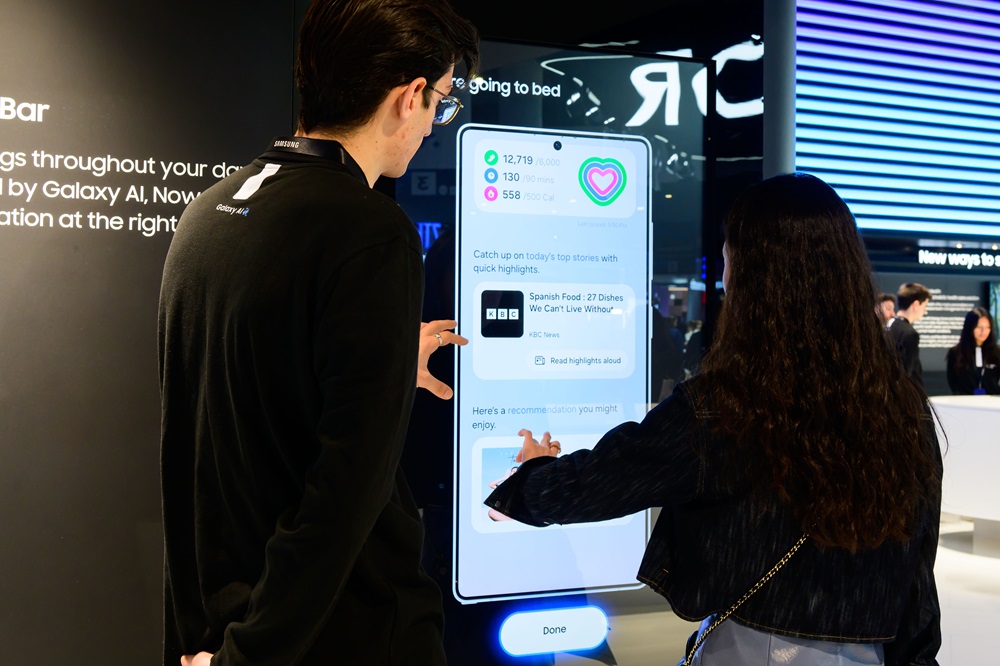
The other feature that drew a steady crowd was "Now Brief." Sitting on top of the Now Bar surface on the lock screen, it learns from a user's daily routine and surfaces personalized, context-aware snapshots without prompting — the right departure time for a planned trip, the fastest route to your destination, a kickstart for your morning, an end-of-day summary of activity and insights. The mental model is less "smart phone" and more "calm computing" — the device proactively serves what you would have searched for anyway.
!Faithful Personal Assistant - Now Brief
Sleep Tracking, Reimagined
The Galaxy S25 surfaces last night's sleep data directly on the home screen, with a deeper breakdown available through Samsung Health — duration, stages, blood oxygen — and contextual environmental factors like room brightness, temperature, and humidity that influence quality. The system uses that combined dataset to suggest concrete optimizations rather than just showing graphs, which is the part most third-party sleep apps still don't do well.
Camera and Nightography, Now Powered by ProVisual
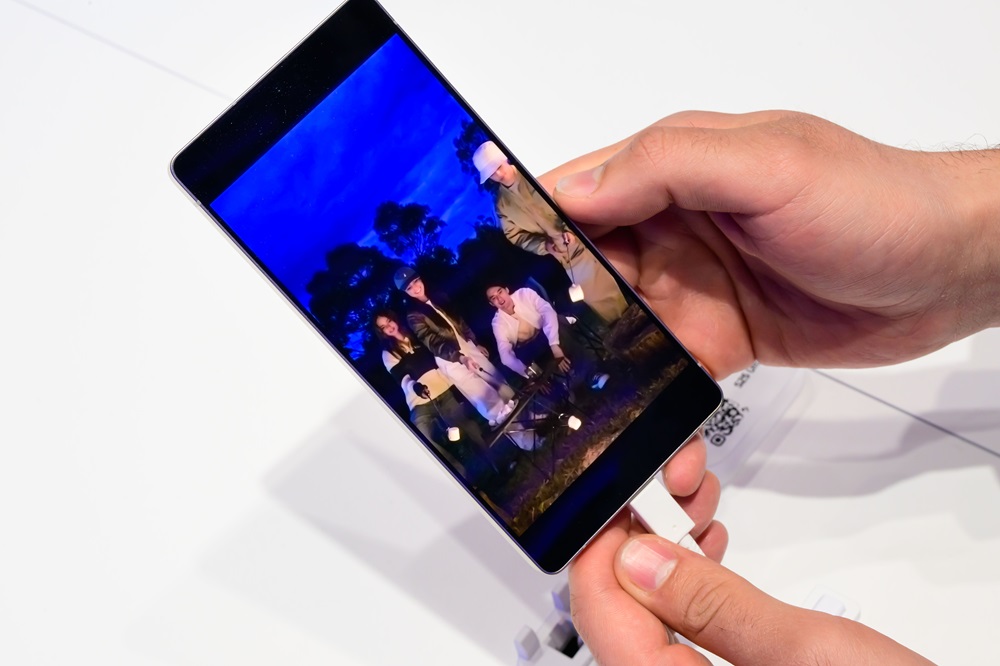
The Galaxy S25 camera is built around the ProVisual Engine, and the booth demos leaned into AI-enhanced photography tools — Portrait Studio, Filters, an overhauled editing surface, and organization tools that make the gallery feel less like a chronological roll and more like a searchable library. Attendees were able to apply AI-generated effects and watch the model give each image an artistic interpretation in real time.
!Say Hello to Your Beautiful Pictures
Nightography is the other major upgrade. With Galaxy AI handling exposure stacking and noise reduction in the background, the phone takes low-light photos and video that look closer to mid-day shots than the night-mode output of two generations ago. The Galaxy S25 Ultra also adds a 50MP ultra-wide-angle camera that handles group shots and landscapes without the corner softness that's plagued ultrawide phone lenses since they became standard.
The AI-Powered Drawing Assistant
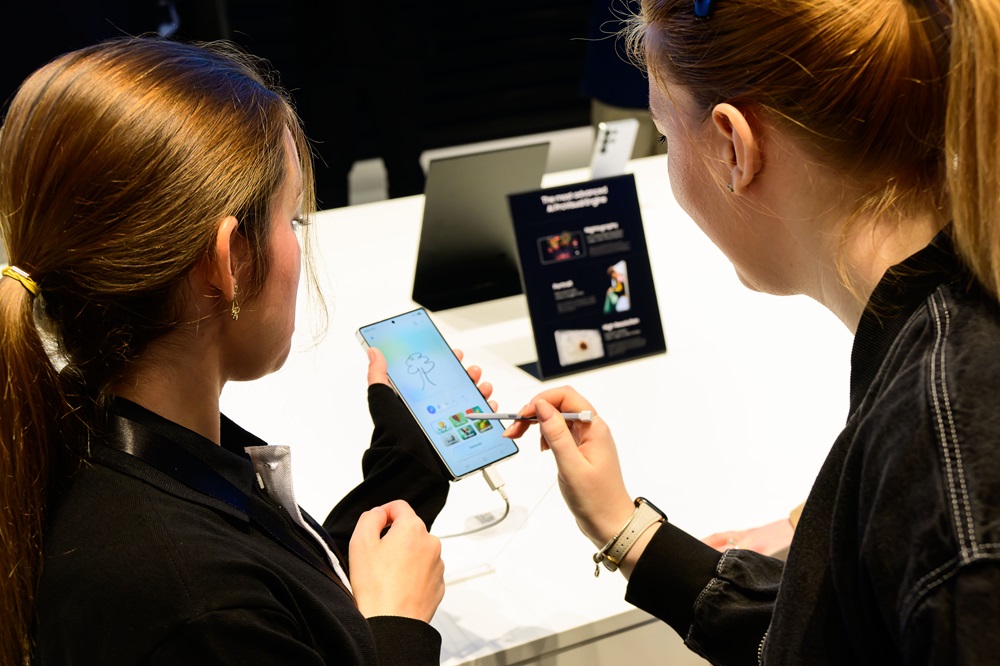
The Drawing Assistant feature drew genuine surprise from the crowd. It converts hand-drawn sketches into finished works in a range of art styles, accepting text prompts, reference images, or freehand input. The end result lands closer to "art-school first-year project" than the smudged outputs early phone-based image AI delivered — a useful sign of how fast on-device generative models are improving.
Gaming on the Snapdragon 8 Elite for Galaxy
The booth's final station was the gaming demo. The Galaxy S25 series runs Qualcomm's Snapdragon 8 Elite for Galaxy — a Samsung-customized variant of the flagship Snapdragon — and the demos showed high-frame-rate AAA mobile titles with the kind of sustained performance that usually requires active cooling. The Galaxy S25 Ultra's vapor chamber is 40% larger than the previous generation, which is what lets the phone hold peak performance through long sessions instead of throttling after the first ten minutes.
How AI Is Transforming Mobile Protection Design
Smartphones are now part of daily life — we carry them everywhere, depend on them for far more than communication, and treat them as the single most valuable object in our pockets. As that value has gone up, the design discipline around protecting them has had to evolve, and artificial intelligence is quietly reshaping that side of the industry too. The leading manufacturers are no longer just designing phones with AI inside; they are designing the cases and screen protectors that surround the phone with AI guiding the brief.
Top accessory brands are now studying how people actually use their phones — how they hold them, where their fingers naturally rest, which angles devices slip from, and which surface hits the ground first when they fall. Adjacent tools, including the kind of AI video generation and behavioral-simulation tech that drives synthetic-user research, are letting designers model real-world handling at a scale that was previously only possible with months of human testing.
Designs Built From User Behavior
A decade ago, phone cases were designed primarily around aesthetics — colors, materials, style. That brief has changed. With AI analyzing thousands of usage patterns, manufacturers can now identify exactly where phones tend to slip, which corner takes the first impact in a fall, and how a user's grip distributes pressure across the back of the device. The data is unambiguous: corner drops happen far more often than flat falls, which is why modern protective cases now add reinforced corners as a default rather than a premium feature. Grip texture is similarly informed by how users actually hold the device for long sessions, not how a stylist thinks it should look on a shelf.
The practical output is products like a Samsung Galaxy case that pads the parts of the device that actually need it, keeps the design slim and stylish, and feels right in the hand because the back of the case has been shaped to match how millions of users naturally grip the phone. Design built from behavioral data delivers products that feel obviously protected in daily use without the bulk that used to be the price of protection.
Faster and Smarter Material Testing
Material testing used to be the slow part of accessory design — multiple physical prototypes, weeks per round, drop tests filmed at 1,000 frames per second. AI has compressed that cycle dramatically. Designers can now simulate pressure, drop angles, and impact response in a digital environment, modeling how a candidate material absorbs force when dropped from a variety of heights and orientations before committing to a single tool. Thickness, flexibility, and tensile strength get adjusted in software instead of in the lab, and the material that ships is the one that performed best under stress, not the one that looked best in the brief. The downstream effect is cases that are simultaneously slimmer, stronger, and more reliable across the kind of edge cases that real users hit but synthetic tests used to miss.
Better Protection for Phone Screens
Phone screens are the most vulnerable surface on the device — scratches, pressure points, accidental drops, and the cumulative wear from daily touches all reduce performance over time. AI-driven design is now applied to screen-protector engineering as well, mapping where on a device's display surface daily-use pressure concentrates most and how the edges erode under repeated touch input. The output is a Samsung phone screen protector designed with reinforced edge strength, optimized hardness at the points that take the most stress, and a touch profile that preserves the device's intended feel rather than introducing the muddy lag that lower-grade protectors are known for.
Balancing Protection and Comfort
Protection used to be at war with comfort: a thick case kept the device safe but turned a 200-gram phone into a 280-gram brick. AI-driven design has largely resolved that trade-off. By analyzing the size, weight, surface friction, and balance of a device in users' hands, designers can now build cases that protect aggressively at the structural points that matter and stay slim everywhere else. The case looks and feels closer to the bare device than legacy designs ever managed — protection without the visual or tactile penalty.
What This Means for Everyday Users
The net effect on the buying experience is that the accessory you put on your phone now fits your routine instead of the other way around. You don't have to change how you hold or carry the device. The protection adapts to your usage pattern through the design decisions that were made before the product ever shipped. The trend extends beyond accessories — AI-driven decisions in product design and downstream digital marketing are increasingly shaping which products reach which users, and the result, for once, is that the products that ship are genuinely closer to what people actually need.
The Bottom Line
The Galaxy S25 series and the True AI Companion experience around it are the easy headline from MWC 2025 — voice-driven calendar work, multimodal Gemini Live, Now Brief on the lock screen, smarter cameras, on-device generative art, and gaming performance that no longer throttles under load. The less visible but equally important story is that the same AI thinking is now reshaping the accessories that ride along with the phone. Protection design has gone from a stylistic exercise to a behavioral-data problem, and the cases and screen protectors that ship in 2025 are noticeably smarter than the ones that shipped even two years ago. Both halves of the device experience — the phone and what protects it — are converging on the same trend: AI is what closes the gap between what a product can do and what a user actually needs.
About the Author

Shahid Anwar is a senior technology journalist at TECHi, specializing in artificial intelligence, emerging technologies, and the digital industry. With years of experience covering breakthroughs in AI, big tech innovations, and future-driven advancements, he delivers in-depth analysis, exclusive reports, and insightful coverage of the ever-evolving tech landscape.






Comments