

Artificial intelligence is not just a buzzword in the technological sphere anymore but a significant part of the economy that has changed the financial predictions landscape within Wall Street.
Analytics of earnings and Stock Impact
The last outlook of Nvidia, Micron Technology and Taiwan Semiconductor Manufacturing Co. (TSMC) shows that business requests for artificial intelligence solutions are booming due to the increasing revenues and profitability ratios that exceed analyst forecasts.
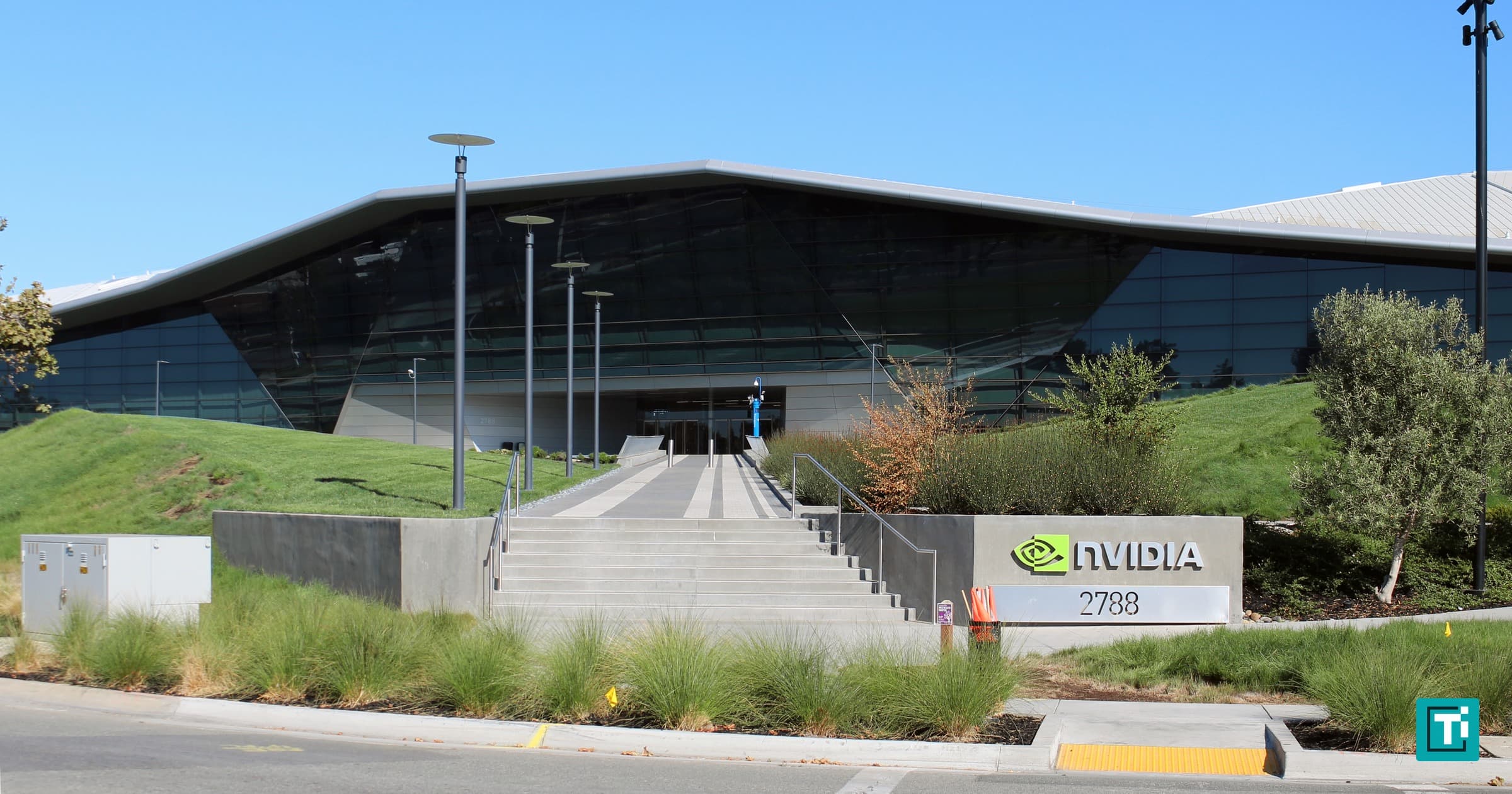
Nvidia posted sales of about $57 billion and earnings per share of $1.30 above the predicted amount of sales of $54.7 billion and $1.23, respectively.
Micron reported a total EPS of $4.78, which is higher than the consensus of $3.77, and its revenues amounted to $13.6 billion and it is more than the expected $13.2 billion.
TSMC also expanded to become the vendor of choice of AI accelerators in terms of revenue as its fourth-quarter revenue grew to a record $33.7 billion, compared to the estimates of analysts.
The Future of AI Capital Spending Battle
Technology conglomerates like Meta, Alphabet, Amazon, and others are estimated to raise infrastructure investments based on AI to at least the $400 billion scale already in 2026, up from its current amount of several hundred billion in 2025.
Some estimates are more aggressive, ranging between $650 bn and $700 billion as a total of Alphabet, Microsoft, Meta, and Amazon spending in 2026 due to the procurement of GPUs, more massive data centers, and network upgrades to support AI workloads.
The market with regard to AI presently has an unprecedentedly high demand, which is driving the general chip demand across the server market.
Investor Implications in the Future
In the short term, the strategic environment benefits the infrastructure leaders, including Nvidia, Micron and TSMC, assuming that the largest technology companies will keep investing in capital over the short-term cash gains.
At this point, the earnings reports, capital-expenditure directives are sending a clear message, which is that artificial intelligence is growing faster than the traditional Wall Street financial models can even imagine, and as long as the trend of spending does not visibly slow, the market will keep rewarding the businesses putting in place the infrastructure cubicles to power it.

Disclaimer
This article is for informational purposes only and does not constitute financial, investment, tax, or legal advice. Market data, tax rules, and prices can change after the article date. TECHi and its authors may hold positions in securities or digital assets mentioned. Always conduct your own research and consult a licensed financial, tax, or legal professional before making decisions.


Comments